
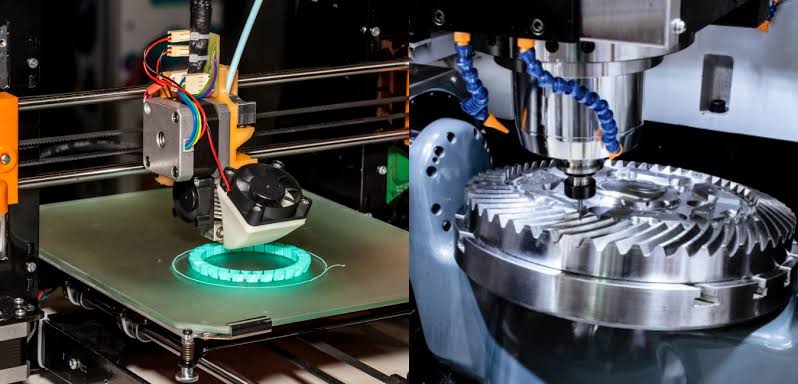
Modern manufacturing requires accuracy, consistency, and reliable production methods. From industrial equipment to custom-engineered components, businesses depend on machining solutions that meet precise specifications while maintaining product quality. Computer Numerical Control (CNC) technology helps manufacturers achieve these goals through automated processes that deliver accurate and repeatable results.
The Importance of CNC Machining
Precision is essential when producing components that must fit and function correctly. Even small measurement errors can affect equipment performance, durability, and assembly. CNC machining helps minimise these issues by using computer-controlled equipment to shape materials according to programmed designs.
Businesses seeking CNC machining in Brisbane, QLD, can explore solutions for manufacturing components that meet specific engineering requirements. Depending on the equipment and project specifications, CNC machining can involve cutting, drilling, turning, and milling operations.
Automation also improves production consistency. Once machining parameters are properly established, manufacturers can reproduce components more accurately across multiple production runs. This approach helps reduce avoidable errors, improve material utilisation, and maintain dependable quality standards.
Understaning CNC Milling Applications
CNC milling uses rotating cutting tools to remove material from a workpiece, creating specific shapes, surfaces, slots, and holes. Guided by programmed instructions, the machine follows the required design to produce components with controlled dimensions and detailed features.
Companies looking for CNC milling in Archerfield, QLD, may need this process for machinery parts, brackets, mounting components, and other precision-engineered products. The suitability of milling depends on the material, design complexity, and required tolerances.
One major advantage of CNC milling is repeatability. Once a program has been tested and approved, the same instructions can be used to manufacture additional components. Consistent production helps businesses simplify assembly, maintain product standards, and minimise unnecessary rework.
Choosing the Right Machining Provider
Selecting a machining provider involves considering technical capabilities, material requirements, production timelines, and quality control procedures. Businesses should also ensure that their chosen provider understands the project’s specifications and intended application.
Clear communication supports better manufacturing outcomes. Providing accurate drawings, measurements, material details, and production quantities helps determine the most appropriate machining process. Discussing these requirements early can also identify potential challenges before manufacturing begins.
An experienced engineering provider can help businesses evaluate practical solutions for custom components and ongoing production needs. Careful planning and appropriate machining methods contribute to reliable results and efficient operations.
Supporting Reliable Manufacturing Results
CNC machining and milling remain valuable technologies for businesses requiring precision-engineered components. Their ability to produce consistent dimensions, detailed designs, and repeatable results supports a wide range of industrial applications.
For businesses seeking machining solutions in Queensland, Rahi Engineering offers a starting point for exploring services suited to their requirements. Understanding available processes and clearly communicating project specifications can help companies make informed decisions and achieve reliable manufacturing outcomes.

