
Introduction
Color is a fundamental constituent of flexible product design. Understanding when to pick a solution can help manufacturers to get better color regularity and result accuracy. But before that, you need to know about custom color masterbatch and when it is used.
What Is Custom Color Masterbatch?
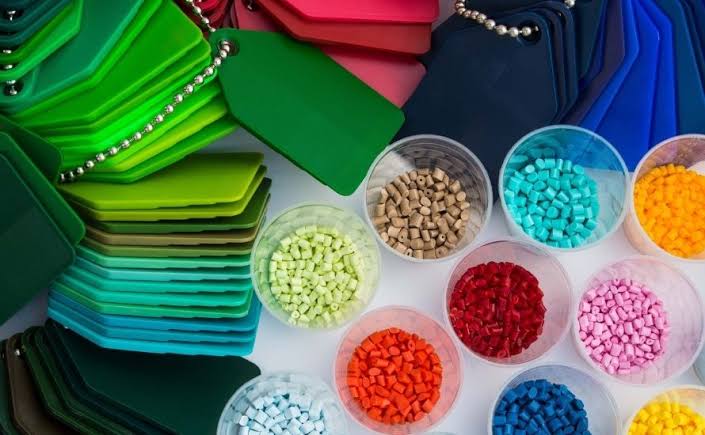
Custom color masterbatch is an intense shade formulation made to produce a specific color or meet particular performance needs. Unlike standard masterbatch products, a specific expression can be controlled according to the creator’s requirements.
Depending on the request, customization includes factors such as:
1. Color shade and intensity
2. Pigment selection
3. Pigment concentration
4. Carrier resin
5. Processing temperature
6. Opacity or transparency
7. UV and weather opposition
8. Polymer compatibility
The objective is to produce a masterbatch that works capably within the maker’s production process.
When Should Manufacturers Consider Custom Color Masterbatch?
1. When a Specific Brand Color Is Required
A standard masterbatch can not determine an exact match for a company’s licensed brand color. Custom color masterbatch can be grown to carefully match a stipulated color reference. This is particularly useful for wrap, services production, promoting items, and tinted elements where color is main.
2. When Normal Color is not Satisfactory
These could hold highly particular shades, delicate color variations, or famous visual personal possessions. A custom formulation gives manufacturers better flexibility when standard output cannot achieve the desired performance.
3. When the Application Has Specific Performance Requirements
Color is not always the only necessity. Some flexible commodities must endure demanding material environments while upholding their appearance.
For example, outdoor products may demand upgraded resistance to the sun and weathering. Other uses can require the best thermal protection because they are processed at high temperatures. A masterbatch can be formulated around these supplementary performance requirements rather than focusing solely on color.
Custom Color Masterbatch for Injection Molding
Injection molding demands consistent material flow, warming, abating, and color dispersal. Color differences can become visible across formed parts if the masterbatch does not act properly under the selected preparation conditions.
Custom Color Masterbatch for Film and Extrusion
Film and extrusion requests can have their own color necessities. Poor shade dispersion can influence streaks, uneven shades, or seeming defects across the finished material. Custom formulations may be tailored to suit specific banishing conditions and polymer systems, helping manufacturers gain more consistent results.
Benefits of Using a Custom Formulation
A masterbatch can offer various potential benefits:
1. Better polymer rapport:
The shipper plan can be chosen for the intended polymer.
2. Performance customization:
UV, warmth, or added requirements can be considered.
3. Production flexibility:
Formulations may be developed for particular production methods.
4. Brand consistency:
Helps maintain the unchanging ocular identity across bendable products.
What Information Should Manufacturers Provide?
When asking for a color masterbatch, manufacturers should decide as many technical facts as possible. A physical color sample, color award, or standardized color specification can help set the goal.
Manufacturers can also analyze the specific request and result conditions. Information about the polymer, heat resistance, equipment, portion of drug or additional consumables, and anticipated product performance can help the temporary evolve an appropriate formulation.
Conclusion
By providing itemized result needs, working with an experienced person, and testing the formulation before large-scale production, trades can produce a color masterbatch that meets both aesthetic and technical requirements.

