
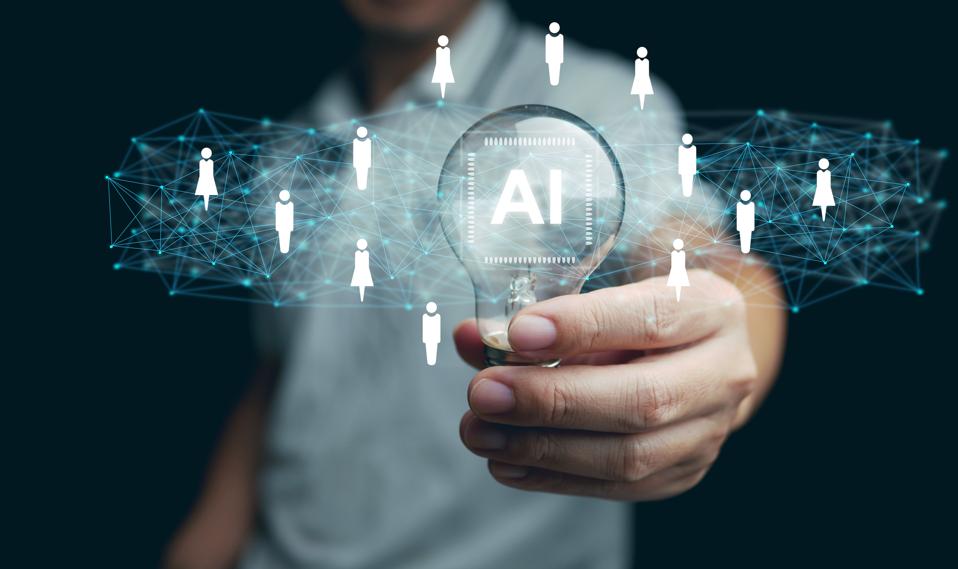
The truth is that hiring itself is a race, and also a risk. And it becomes everything even more rapidly as application piles grow, deadlines tighten, and good decisions still have to be made by teams. An article just out from The Predictive Index outlines the reality that 88% of companies have already implemented AI somewhere in their hiring process, but only 8% of HR leaders think managers are equipped to know how to use it effectively. This gap is the reason AI and recruiting are more about control than speed alone now.
Morning: The Inbox Flood
Where AI and recruiting proves its value first is in grind work. For instance, AI can sift through resumes, match a given candidate to strictly predetermined criteria, organize pipeline data, and even automate scheduling and communication. It translates into reduced delays and admin drag for high-volume teams.
The slightest parts of hiring that lend themselves to automation AI keeps the train moving when the work is repetitive and rules are explicit.
Midday: The Screen Gets Thinner
The issue begins when software is required to do beyond sorting. Non-linear career paths can be tough for AI, but it also doesn’t really know anything about stating motivation, communication style, or how someone will fit into a team. The sources also warned that AI outputs are sensitive to the keywords, historical records, and hard codes used to train them.
That is important because AI and recruiting can make mistakes due to the traditional pattern which sets out strong candidates as mediocre unless their background fit into a neat bucket. AI-generated resumes make it increasingly difficult to differentiate candidates from one another, and high-ability workers are hired 19% less often because of it.
Closing the Day: Still, People Decide
Instead of giving the final call to software, the smartest hiring teams. AI to remove the clutter − but human instincts to see what fits. Hiring should be based on well-defined job requirements; it should never rely solely on instinct (or, for that matter, only on algorithm).
This is where AI and recruiting becomes more balanced. The system handles the volume. People handle the meaning.
It allows hiring managers to assess for attributes that are not as easily captured through automated screening alone, such as adaptability, communication style, and a contribution to company culture. The human conversations provide a context that may not show up on a resume or application. Where technology combined with human expertise is in demand, organizations are positioned to make informed hiring decisions that will bolster long-term employee outcomes.
What Stronger Hiring Looks Like?
An improved process uses AI in its strongest areas and supplements with structured methods when judgment is paramount. It means you would have an even greater ability (81% rather than 66%) to identify high performers when using job samples and behavioral assessments pulls data.
It is a simple idea. Let AI do the sorting. Let people do the deciding. And do tie them both back to easily understood role standards, fair performance review, and actual evidence. That is the real-world future of AI and recruiting.

