
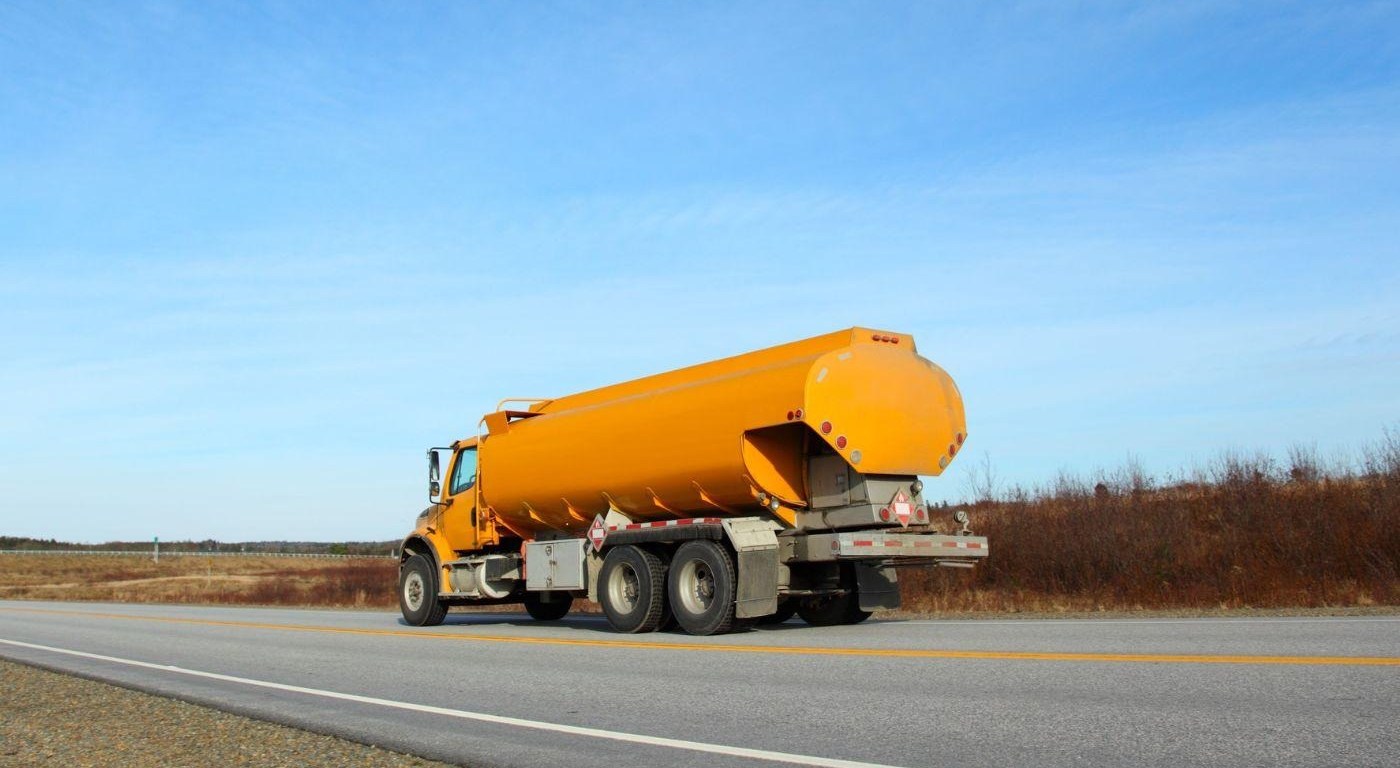
Almost nothing on a working farm runs without fuel. The tractor, the combine, the grain dryer, the trucks hauling to the elevator, and the generator that keeps a barn running through an outage all draw from the same supply sitting in the yard.
That makes bulk fuel one of the quieter foundations of an agricultural operation. It is rarely the thing anyone talks about, and it is the thing everything else depends on.
Keeping the Whole Operation Moving
Farming does not pause for logistics. Ground work, seeding, spraying, harvest, and hauling each arrive on their own schedule, and none of them waits.
A steady fuel supply is what lets a producer respond to conditions rather than to inventory. When the ground is ready, the decision should be about agronomy and weather, not about whether there is enough in the tank to finish the field.
That reliability compounds across a season. Hours saved on trips to town and mornings that start without a supply problem add up to a considerable amount of productive time by the end of the year.
Meeting Demand at the Height of the Season
Consumption on a farm is anything but even. A tank that stretches across weeks in the quiet months can empty in a matter of days once machinery is running long hours.
Peak weeks are also when supply is tightest across an entire district, since neighbors are all in the field at the same time and all calling for the same product. Planning ahead of that curve matters far more than reacting quickly once it arrives.
Delivering to the Yard Before It Runs Short
The answer is an arrangement built around how a farm actually uses fuel through the year.
Scheduled deliveries based on real consumption, tank monitoring, and a calendar shaped to seasonal peaks keep the yard supplied without anyone having to stop and place an order in the middle of a workday.
Proximity is what turns that plan into product on the ground. Suppliers such as DMM Energy, a family-run business with generations of history across the Prairies and bulk plants throughout Manitoba, Saskatchewan, and Alberta, hold inventory close to the farms they serve, which is what makes a delivery possible tomorrow rather than next week.
Depth of supply matters just as much during the weeks everyone needs product at once. That is precisely when a promised delivery and an arriving delivery stop being the same thing.
Matching the Product to the Conditions
Prairie operations ask a great deal of a fuel supply. Winter blends have to handle cold that would gel a summer product, and getting that changeover right prevents the morning when nothing in the yard wants to start.
Premium diesel formulations are worth a conversation as well. Additive packages that keep injectors clean help maintain engine power and fuel economy through weeks of hard running, which is exactly the stretch when a machine cannot afford to lose either.
Lubricants belong in the same order. Hydraulic oil, gear oil, and grease are the items nobody notices until one runs short, and having them arrive alongside the fuel keeps a small gap from becoming an idle machine.
Storing Fuel Safely on the Farm
On-farm storage is what makes the whole arrangement work, and it carries real responsibilities.
Tanks need proper containment, adequate venting, and protection from water and debris, since contamination shows up later as injector work nobody budgeted for. Placement deserves thought too, both for spill containment and for keeping a delivery truck able to reach the tank when conditions turn poor.
A supplier who advises on tanks and accessories rather than simply dropping off product earns more than the invoice suggests.
Supporting the Business Behind the Farm
The value of a dependable supplier reaches past the fuel itself.
Consolidated accounts and clear billing spare a producer from tracking small purchases across a long season. Financing arranged through agricultural lenders smooths the stretch when money goes out well before anything comes back in.
Mostly it removes one recurring worry from a list that gets long very quickly once spring arrives.
Farmers carry more on their own judgment and their own hours than most people outside the industry realize. Having fuel show up when it should is a small thing, and it quietly makes the rest of the work possible.

