
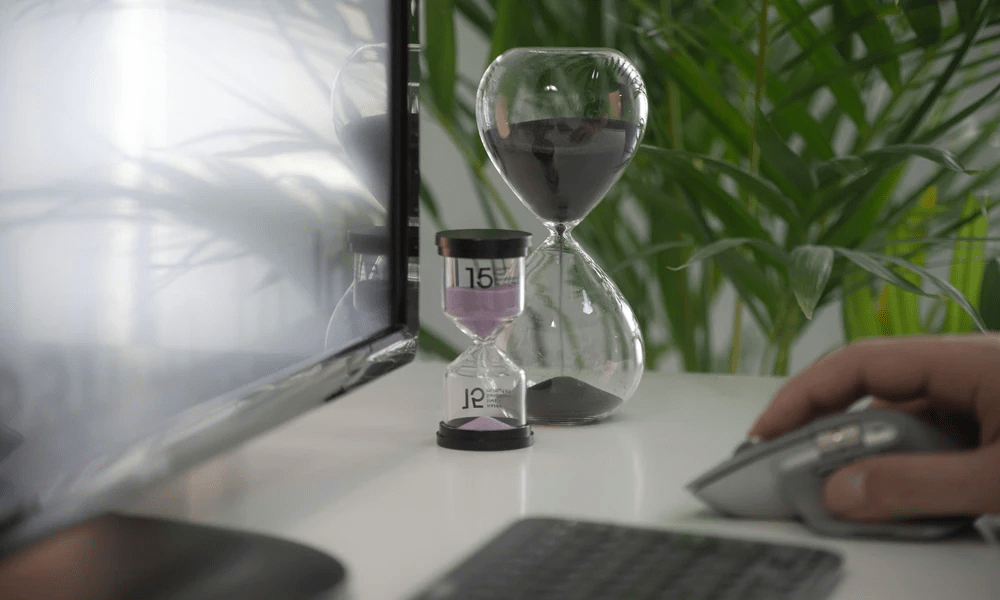
Most private equity funds carry a deadline. Money comes in, gets put to work, and inside a set number of years has to go back out the door, sold whether the timing is right or not. Alejandro Betancourt built something else. O’Hara Administration, the family office he has run since 2014, puts capital into commercial real estate, hedge fund sponsorship, private equity, venture capital, and co-investments with European banks, and it holds each position for as long as a thesis stays intact rather than as long as a fund agreement allows.
That structural choice shows up in the numbers. O’Hara took a position in an artificial intelligence company around 2019 and 2020, ahead of the wave of enthusiasm that followed, and held it for roughly five years. By early 2025, the stake had returned close to 20 times its original cost, a result a fund working against a fixed exit clock might never have reached.
No Outside Money, No Forced Exit
O’Hara raises no capital from outside limited partners, and it carries no fixed investment period. Those two facts sit next to each other for a reason. A traditional private equity fund lives inside a set window, built to keep managers disciplined, but that same window creates pressure to sell a promising asset early simply because the calendar says so.
Remove the outside money and that pressure disappears with it. What remains is what people in the industry call evergreen capital, the freedom to sell on a judgment about the asset rather than a date written into a contract years earlier. Hawkers, the Spanish sunglasses brand based in Elche, shows what that patience produces over time: Betancourt led a 50 million euro Series A in October 2017, took the president title weeks later, opened the brand’s first physical stores in 2018, and watched it grow to 60 stores by 2025.
Where the Capital Is Headed Next
The same patience now points toward robotics and technology manufacturing. Betancourt has connected artificial intelligence, robotics, and factory production into a single investment thesis, betting that the next concentration of value sits in AI that touches the physical world, the systems that move, build, and sense, rather than in software alone.
He has called the coming bets high risk as much as high reward, and his answer to that risk isn’t to spread capital thin across many small positions. O’Hara instead backs operators who already know robotics or manufacturing from the inside. The thesis stays concentrated on a single idea. Execution goes to specialists who have done the work before.

