
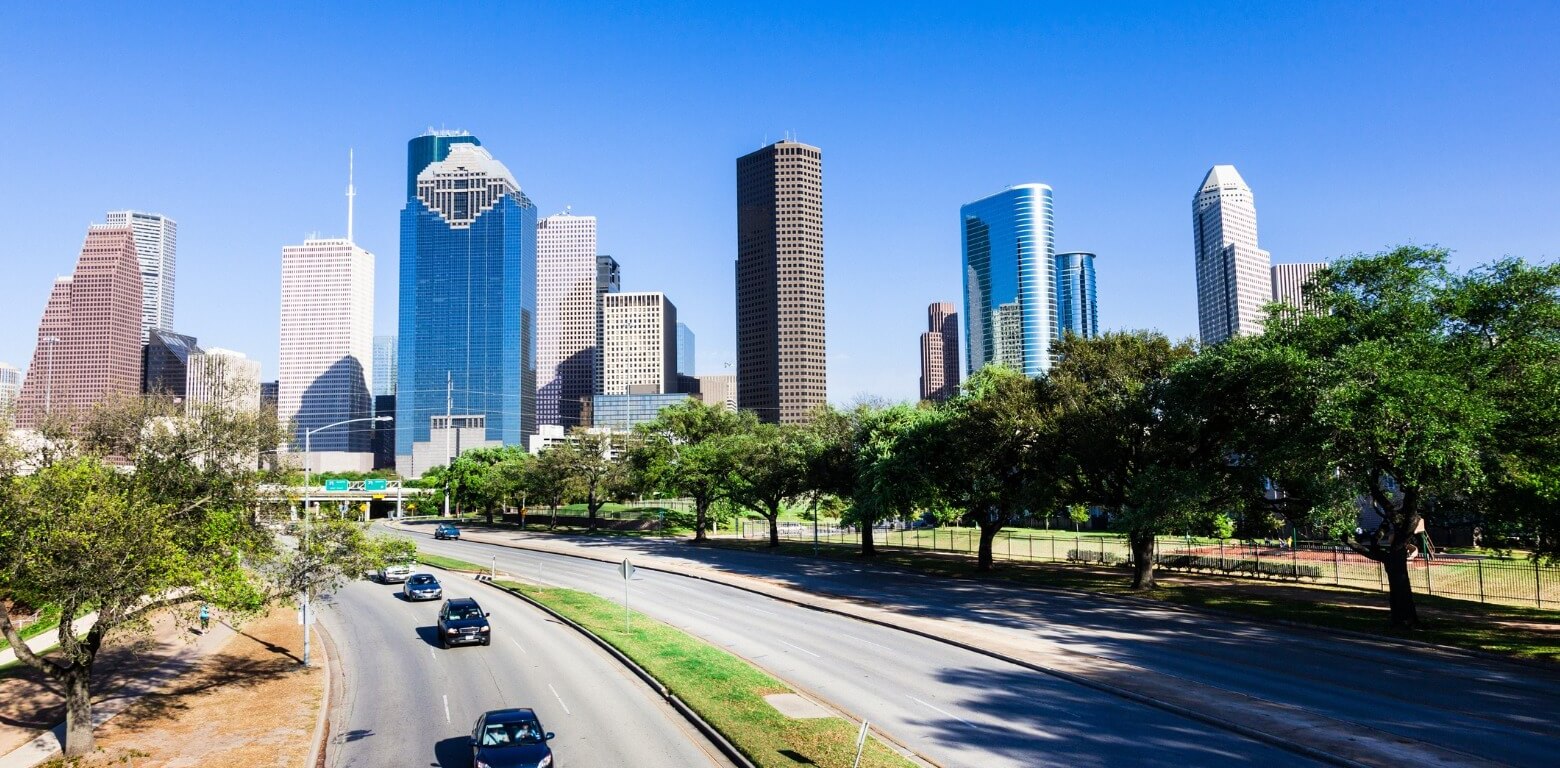
Houston is not a small-town place. You’re driving a lot – whether it’s crawling on the 610 loop, fighting for parking downtown, or praying your car doesn’t flood when the sky opens up. That everyday reality makes insurance here feel different. It’s not just about the car you drive; it’s about how the city itself keeps throwing risks at you. Congestion, parking lots, storms, and repair shops that are always backed up – these things show up in every quote.
People usually start by asking “how cheap can I get car insurance in Houston?” But the smarter question is: what risks am I actually facing every day, and which ones can I afford to self-insure versus pay a company to cover? Let’s look at the four biggest urban headaches that change how Houston drivers build (and pay for) their policies. Getting the best car insurance texas is a trick one should know.
Congestion-related claims
Houston highways are legendary for being slow and angry. I-10, 290, 59 – pick any of them during rush hour and you’ll see the same thing: cars nose-to-tail, everyone frustrated, brakes lighting up every few seconds. That stop-start motion is the perfect recipe for rear-end hits.
I’ve seen it happen twice in my own life. Once on the Southwest Freeway a guy in front slammed on his brakes for no visible reason and I tapped him. No injuries, but both bumpers were toast. Another time I was the one who got hit while sitting still. Both times the repair was a couple thousand dollars, and both times collision coverage was the only reason I didn’t pay the whole bill myself.
These little crashes happen so often that insurers treat Houston drivers as higher risk for collision claims. That’s why many people here keep colliding even on older cars. If you drop it to save $30–40 a month, one good tap in traffic can cost you ten times that in one afternoon. A friend of mine tried skipping a collision to cut costs after his truck was paid off. Two months later he got rear-ended on 45 and had to pay $2,800 out of pocket. He added it back the next renewal and hasn’t dropped it since.
The takeaway is simple: in a city where everyone is in a hurry and nobody has space, collision isn’t optional for most people. It’s one of the main reasons Houston quotes look higher than in quieter parts of Texas.
Parking damage frequency
Parking in Houston is brutal. Downtown garages are tight, surface lots are full of people backing out blind, and apartment complexes have spots barely wide enough for two doors to open. Door dings, shopping-cart dents, side-swipes from someone leaving too fast – it happens almost weekly in busy areas.
My neighbor in the Heights got a long door scratch last month. The cost to fix it was $450. He paid out of pocket because his deductible is $1,000. He said if he filed every little mark he’d be paying higher premiums forever. That’s the trade-off a lot of people make: live with the small stuff, only claim the big hits.
Comprehensive can cover parking damage (and theft, vandalism, etc.), but it raises your premium noticeably. Some drivers set a mental rule: if the repair is under $800–1,000, they just pay cash and move on. Others keep a lower deductible because they know they’ll probably have a claim every couple of years anyway. A guy I work with has a $500 deductible and he’s claimed two parking dings in the last three years. He says the peace of mind is worth the extra $15 a month.
The city makes these minor damages feel normal, so people adjust their deductibles and expectations accordingly. It’s not laziness – it’s math.
Weather-related incidents
Houston weather is the wildcard nobody wants. One hour it’s sunny, the next it’s dumping rain so hard you can’t see the hood. Flooding happens fast in low spots. Hail shows up in spring and fall. Hurricanes come every few years and remind everyone why comprehensiveness exists.
My cousin in Katy had his car totaled by flood water in 2017. No comprehensive, no payout. He lost the car and had to start over. Another friend in Cypress got hammered by golf-ball hail in 2022 – roof, hood, trunk all dented. Comprehensive paid almost $9,000. Without it he would have been stuck.
Most Houston drivers are comprehensive because the weather risk feels real and expensive. It’s one of the few coverages where skipping it can genuinely hurt a lot of people at once. Premiums go up, sure, but the alternative is much worse when a storm hits. After the last big hail event in the Heights, half the block had dents. The ones without comprehensive were still getting quotes from body shops six months later.
Weather isn’t optional here. It’s why you see comprehensiveness on almost every Houston policy, even when people trim everything else.
Repair delays
Even when you do file a claim, Houston repair shops are chronically busy. After a big hail storm or a bad accident month, places have waiting lists that stretch 4–8 weeks. Parts take longer to get because everyone needs the same things at the same time.
A coworker got rear-ended last year. His car sat at the body shop for almost two months. He had rental coverage so he got a decent loan; without it he would have been borrowing his wife’s car and rearranging his whole schedule. Rental reimbursement is cheap – usually $5–10 a month – but it feels priceless when you’re without wheels.
A lot of people here keep rental coverage even when they cut other add-ons. The delay is so common it’s almost expected. After the 2024 hail storm in Katy, some shops were quoting three months for simple dent repairs. People who didn’t have rental ended up renting from Enterprise out of pocket at $50+ a day.
Urban risk in Houston isn’t abstract. It’s the daily grind of traffic, the parking-lot lottery, the weather roulette, and the long wait for repairs. Those four things show up in every quote, and they’re why many drivers here keep certain coverages they might drop in a smaller city.
The good news is you can still find cheap car insurance Houston if you’re strategic. Higher deductibles on collision and comprehensive, dropping extras you rarely use, and shopping around every renewal make a real difference. The trick is knowing which risks are worth paying a company to cover and which ones you can handle yourself. Most people find the sweet spot somewhere in the middle – enough protection to sleep at night, but not so much that the premium eats the budget.

