
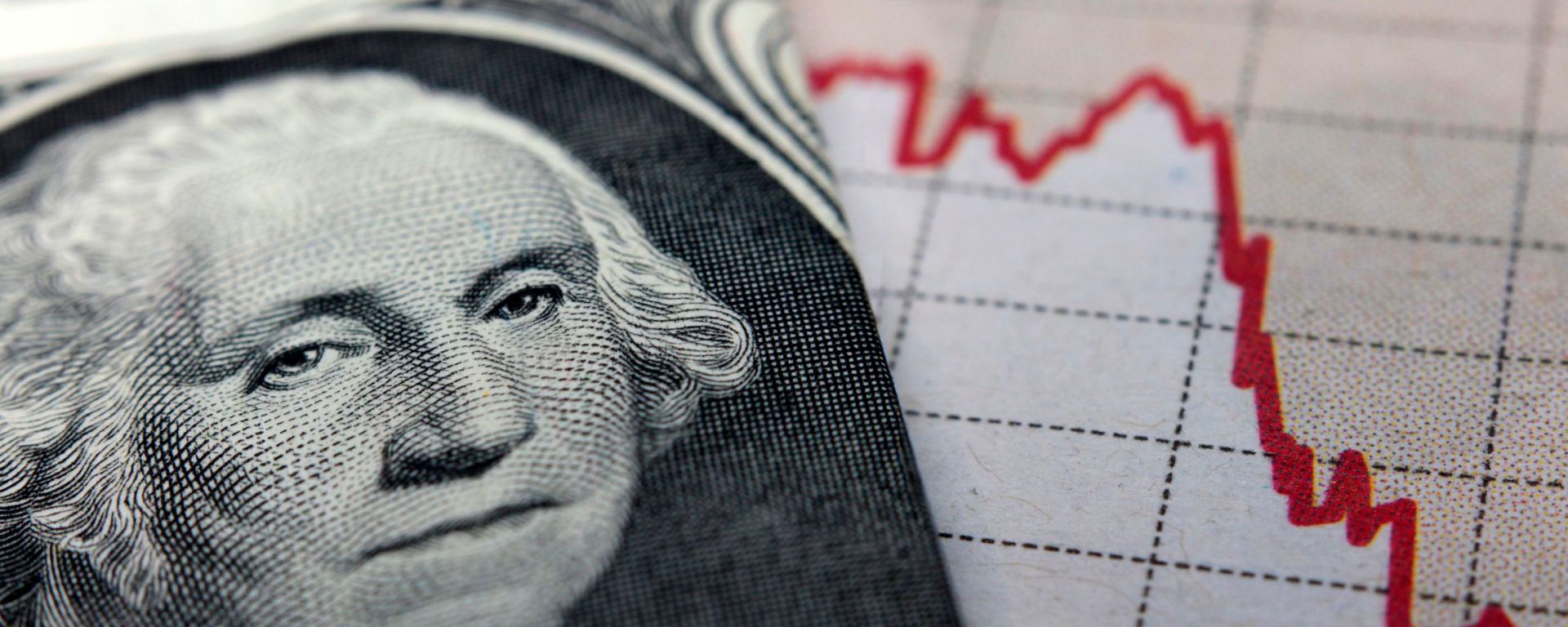
The words ‘currency crisis’ is everywhere. Unfortunately, it’s not always in the correct manner when people use it. But there is a thing called currency crisis, and traders must have an idea as to what it actually means.
Essentially, a currency crisis is a situation where speculators are driving the value of a currency down. As a result, it experiences a sudden and drastic depreciation. When that occurs, it will impact the overall economy and causes major financial issues. The currency crisis can happen for a lot of reasons, like decisions made in the monetary policy or a political backdrop.
Its Anatomy
Moreover, a currency crisis can emerge due to some different factors. Most of the time, it comes down to a type of political situation, economic disaster, or a misstep by the local central bank. Above all, war can also come into play.
Nevertheless, the end result is always the same. The currency loses a massive amount of value in a short amount of time. With that, it creates extreme instability in the exchange rate and inflation for the local populace – meaning, the same amount of currency purchases less than it previously did. Then, if the negativity lingering around the currency doesn’t change, it becomes a self-feeding cycle.
When this happens, it will be challenging for the host economy to finance its capital spending. To fight this, central banks will increase interest rates to counterbalance the downward pressure speculators have placed upon the currency.
To raise interest rates, the central banks must sell their foreign reserves, shrinking the money supply in their country, and make a capital outflow. Also, it will withhold payments it got in domestic currency to boost the demand for that currency. Sadly, many small central banks globally learned that propping their currencies is nearly impossible in the long term due to the limited foreign reserves they have. Then, various economic issues can arrive in the scenario.
Central banks can also cause devaluation. Before, Venezuela has done this by wiping out some zeros off the bolivar. The central bank has boosted the fixed exchanged rate, which eventually should make domestic goods cheaper than foreign goods. However, the country faced an untenable situation, with inflation possibly going to as high as 1,000,000%. And in theory, driving up local demand for local products is what people want to happen when they employ this method.
Large financial deficits can trigger currency crises, although the United States doesn’t seem to have this problem. And it might be because the greenback is the world’s reserve currency. But still, there are many small countries worldwide that have experienced these cases. Usually, excessive money printing is the biggest culprit. But more than once, political turmoil has been the culprit. When a country is about to fall, the currency can go into a bit of a death spiral.
The Sound Money
Every country must have sound money to prevent a potential currency crisis. Typically, intelligent central bank policies managed this to keep money printing to a minimum. But there are a few notable exceptions. Take the United States as an example. While the theory seems to be saying that having a fixed exchange rate would avert a currency crisis, floating rates quite often work out better for currencies, allowing the market to set the rate. Some central banks have tried to defend a currency peg against speculators, only to fail after spending billions.

