
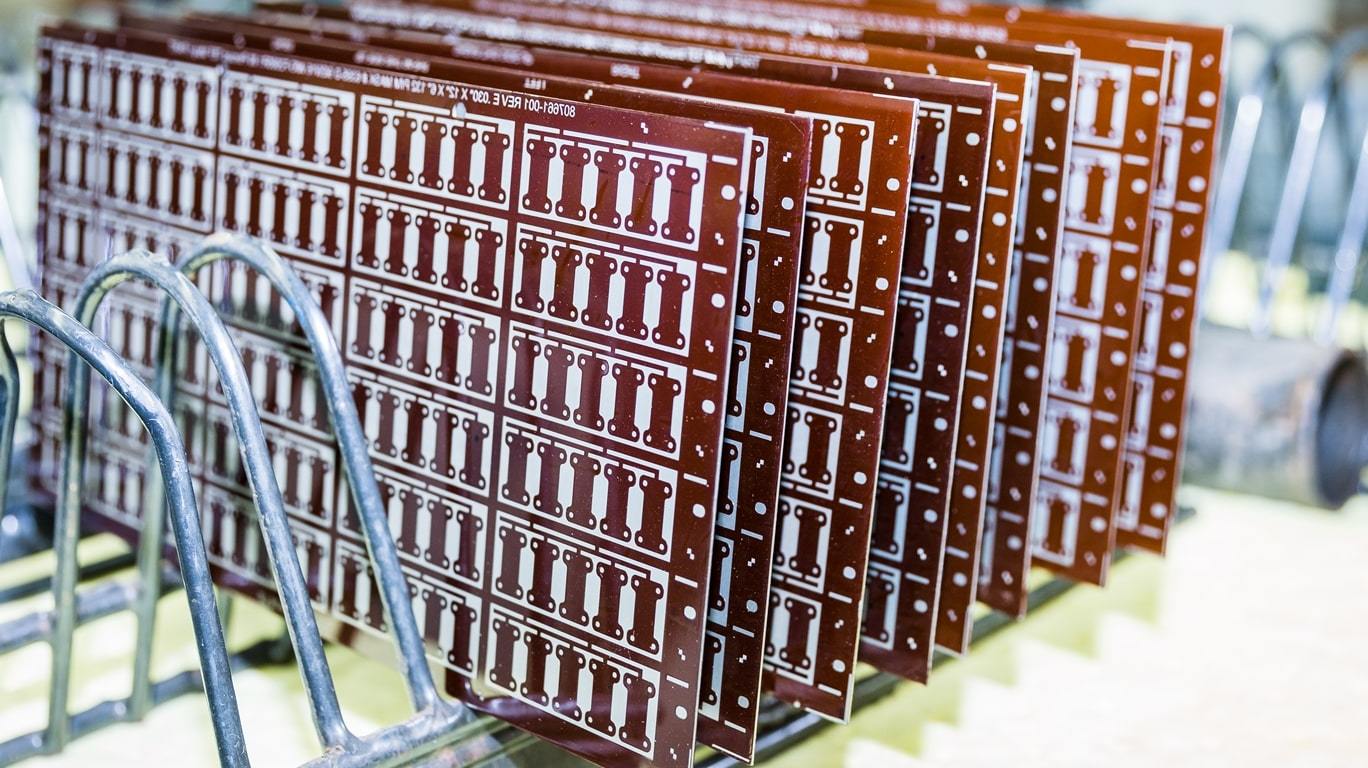
If you are in the business of creating solid and metallic goods, then you will want to look into photochemical machining or photochemical etching. In addition to being an economically feasible process, it is also one that is extremely efficient as well. In this article, we’ll go over how photochemical processing has evolved and why it is such an inexpensive and efficient process today.
How The Process Works
Photochemical etching works by printing the shape of a part onto a photographic film. A phototool or the object that is used for this printing involves two sheets of films pressed against one another that shows the negative images of the parts being printed. Each sheet of film is then mechanically generated to form the top and bottom halves of the tool. After the top and bottom halves have been printed, a cutter cuts the metal sheets to the appropriate size for the specific tool. A UV light hardens the areas of the film and thus, develops it. An acidic “etchant” then uses acid to corrode away the unprotected, extraneous metal parts.
Why It Is A Good Economic Idea
Photochemical etching is an extremely inexpensive process because of the tools and materials involved. Most of the tools required are less than $400 to acquire and can be produced relatively quickly by other CNC machines. Additionally, phototools have extremely long longevity because they are simply exposed to life and not other chemicals that wear them over time. Because of the lack of a need to replace the materials, they are much cheaper to have from a manufacturing point of view. If you are looking to manufacture via photochemical machining, then you will want to think of the sheet as the limiting factor in terms of your economic cost. The larger the sheet size consistent with what is necessary for the product you are creating, the more parts you can make per sheet and, thus lower the cost of your manufacturing.
How It Became So Efficient
Thanks to the continuous push forward into physical technology and manufacturing processes, the process of photochemical machining is always being improved and optimized. As newer technologies like three-dimensional printing come to the forefront, you can expect the push for manufacturing to include the optimization of large scale machining projects to be of utmost importance. This will trickle down to smaller manufacturers that utilize machining for these efficient purposes.
Thanks to these efficiencies as well as economic pluses, etching is here to stay and will serve to create products and tools that are more and more optimized in an extremely optimized fashion in the future.
 E-Globe Business