
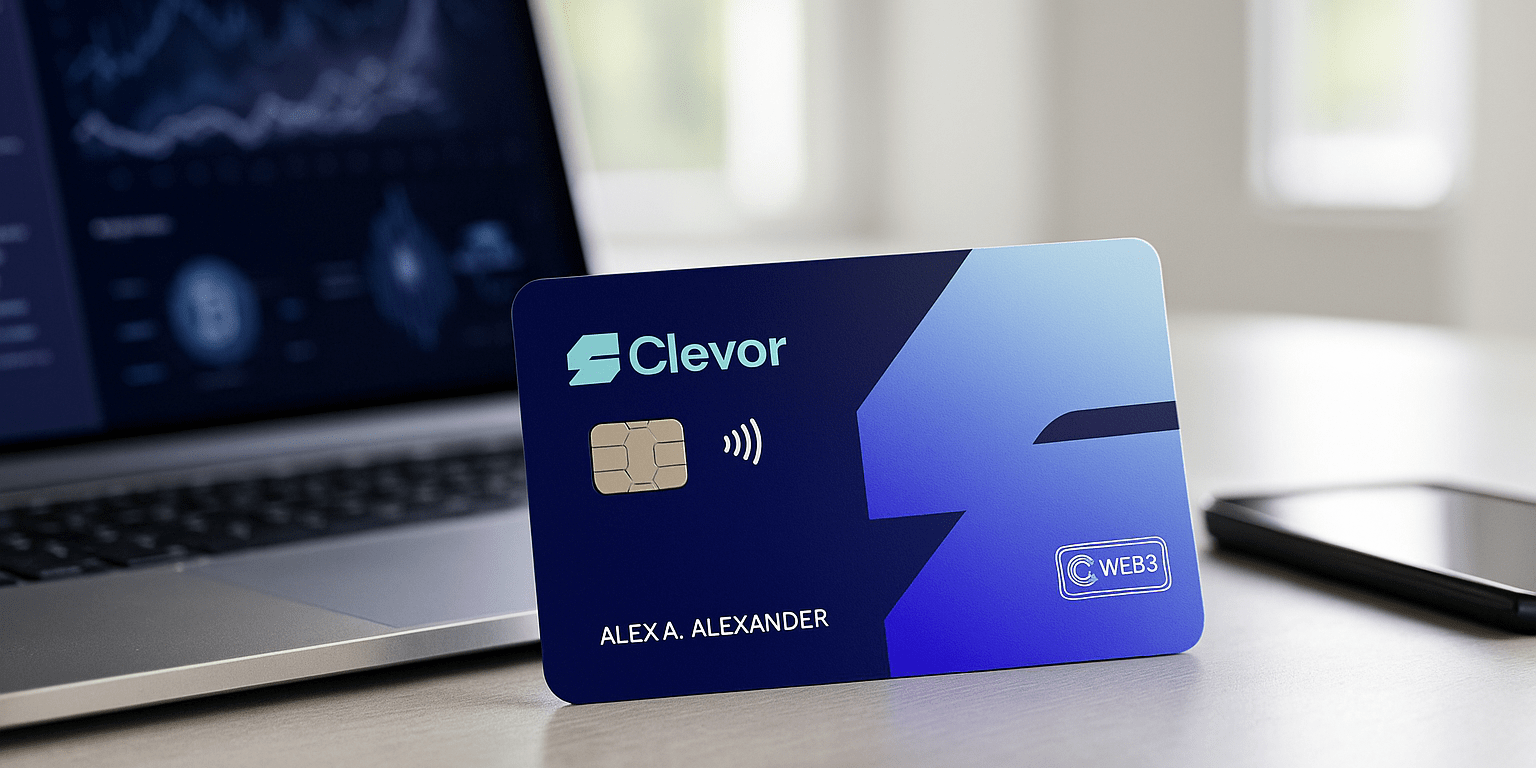
As the digital economy continues to evolve, the way we store and manage assets is undergoing a major transformation. With the rapid rise of decentralized finance (DeFi), NFTs, and blockchain-based applications, security has become more important than ever. This is where a Web3 hardware wallet comes into play.
In 2026, users are no longer relying solely on exchanges or software wallets to store their crypto assets. Instead, there’s a strong shift toward self-custody and offline storage solutions that provide maximum protection. In this guide, we’ll break down what a Web3 hardware wallet is, how it works, and why it has become essential in today’s digital landscape.
What Is a Web3 Hardware Wallet?
A Web3 hardware wallet is a physical device designed to securely store private keys offline while allowing users to interact with blockchain networks and decentralized applications (dApps).
Unlike traditional wallets that operate online, hardware wallets keep your sensitive data isolated from internet-connected environments. This significantly reduces the risk of hacks, phishing attacks, and malware.
In simple terms, a Web3 hardware wallet acts as a secure bridge between your digital assets and the decentralized web. It enables you to:
- Store cryptocurrencies safely
- Sign transactions securely
- Access DeFi platforms
- Manage NFTs
- Interact with Web3 ecosystems
Because your private keys never leave the device, you remain in full control of your assets at all times.
👉 If you’re exploring secure options, check out this trusted Web3 hardware wallet solution designed for modern users.
How It Differs from Software Wallets
To understand the importance of hardware wallets, it’s essential to compare them with software wallets.
1. Security
- Software Wallets: Stored on mobile apps or browsers, making them vulnerable to hacks, malware, and phishing.
- Hardware Wallets: Private keys are stored offline, making them nearly impossible to access remotely.
2. Internet Exposure
- Software Wallets: Always connected to the internet.
- Hardware Wallets: Operate offline and only connect when necessary for transactions.
3. Control
- Software Wallets: Some rely on third-party infrastructure.
- Hardware Wallets: Full ownership and control remain with the user.
4. Use Case
- Software Wallets: Ideal for small amounts and daily transactions.
- Hardware Wallets: Best for long-term storage and large asset holdings.
5. Risk Level
- Software Wallets: Higher risk due to constant online exposure.
- Hardware Wallets: Lower risk due to cold storage environment.
In 2026, as cyber threats grow more sophisticated, relying solely on software wallets is no longer considered safe for serious investors.
Why Self-Custody Matters in 2026
The phrase “Not your keys, not your coins” has become a fundamental principle in the crypto world—and for good reason.
1. Rise of Exchange Risks
Over the past few years, multiple centralized platforms have faced security breaches, insolvency issues, and regulatory crackdowns. Users who stored assets on exchanges often faced losses or restricted access.
Self-custody eliminates this dependency.
2. Increased Cyber Threats
Hackers are constantly evolving their techniques. From phishing links to malicious smart contracts, online wallets are increasingly targeted.
Hardware wallets provide a layer of protection by isolating private keys from these threats.
3. Growth of Web3 Ecosystems
With more users engaging in:
- DeFi staking
- NFT trading
- DAO participation
- Blockchain gaming
…secure access to assets has become critical. A Web3 hardware wallet ensures that users can safely interact with these platforms without compromising security.
4. Financial Sovereignty
In 2026, users are prioritizing independence over convenience. Self-custody allows individuals to:
- Control their funds
- Avoid third-party restrictions
- Maintain privacy
- Access global financial systems
5. Regulatory Changes
As governments introduce stricter crypto regulations, centralized platforms may impose more controls. Hardware wallets give users a way to retain full ownership regardless of external policies.
Key Features to Look for in a Web3 Hardware Wallet
Not all hardware wallets are created equal. When choosing the right one, it’s important to evaluate key features that align with modern Web3 needs.
1. Multi-Chain Support
A good Web3 hardware wallet should support multiple blockchains such as:
- Ethereum
- Bitcoin
- Solana
- Polygon
- BNB Chain
This ensures flexibility and compatibility with various ecosystems.
2. Secure Element Chip
Look for devices equipped with a secure element chip (similar to those used in banking cards). This adds an extra layer of protection against physical and digital attacks.
3. Easy dApp Integration
In 2026, users frequently interact with decentralized applications. A modern hardware wallet should:
- Connect seamlessly with dApps
- Support browser extensions
- Enable smooth transaction signing
4. User-Friendly Interface
Security shouldn’t come at the cost of usability. The best wallets offer:
- Intuitive design
- Simple setup process
- Clear transaction verification
5. Backup and Recovery Options
Losing access to your wallet can be disastrous. Ensure the wallet provides:
- Secure recovery phrases
- Backup mechanisms
- Easy restoration process
6. Portability and Design
Since hardware wallets are physical devices, portability matters. Compact, durable designs are ideal for users who want security on the go.
7. Firmware Updates and Support
A reliable wallet should offer:
- Regular firmware updates
- Security patches
- Active development team
This ensures long-term protection against emerging threats.
8. Advanced Security Features
Some modern Web3 hardware wallets also include:
- Biometric authentication
- PIN protection
- Multi-signature support
- Air-gapped transaction signing
These features enhance overall security and user confidence.
The Role of Hardware Wallets in the Future of Web3
As Web3 adoption continues to grow, hardware wallets are becoming a foundational tool for digital asset management.
In the coming years, we can expect:
- Greater integration with decentralized identity systems
- Enhanced compatibility with Web3 browsers
- Improved UX for mainstream adoption
- Stronger security protocols powered by AI
Hardware wallets will not just be storage devices—they will act as gateways to the decentralized internet.
Common Misconceptions About Hardware Wallets
“They’re only for experts”
Modern devices are designed for beginners with simple interfaces and guided setups.
“They’re inconvenient”
While slightly less convenient than software wallets, the added security far outweighs the minor extra steps.
“They’re expensive”
Considering the value of assets they protect, hardware wallets are a worthwhile investment.
Conclusion
In 2026, the importance of securing digital assets cannot be overstated. With increasing cyber threats, regulatory changes, and the rapid expansion of Web3 ecosystems, relying on traditional storage methods is no longer sufficient.
A Web3 hardware wallet offers:
- Maximum security through offline storage
- Full control via self-custody
- Seamless access to decentralized platforms
- Protection against evolving threats
Whether you’re a beginner exploring crypto or an experienced investor managing a diverse portfolio, adopting a hardware wallet is a crucial step toward safeguarding your digital future.As Web3 continues to redefine how we interact with money, identity, and ownership, one thing remains clear: security is the foundation—and hardware wallets are leading the way.
 E-Globe Business