
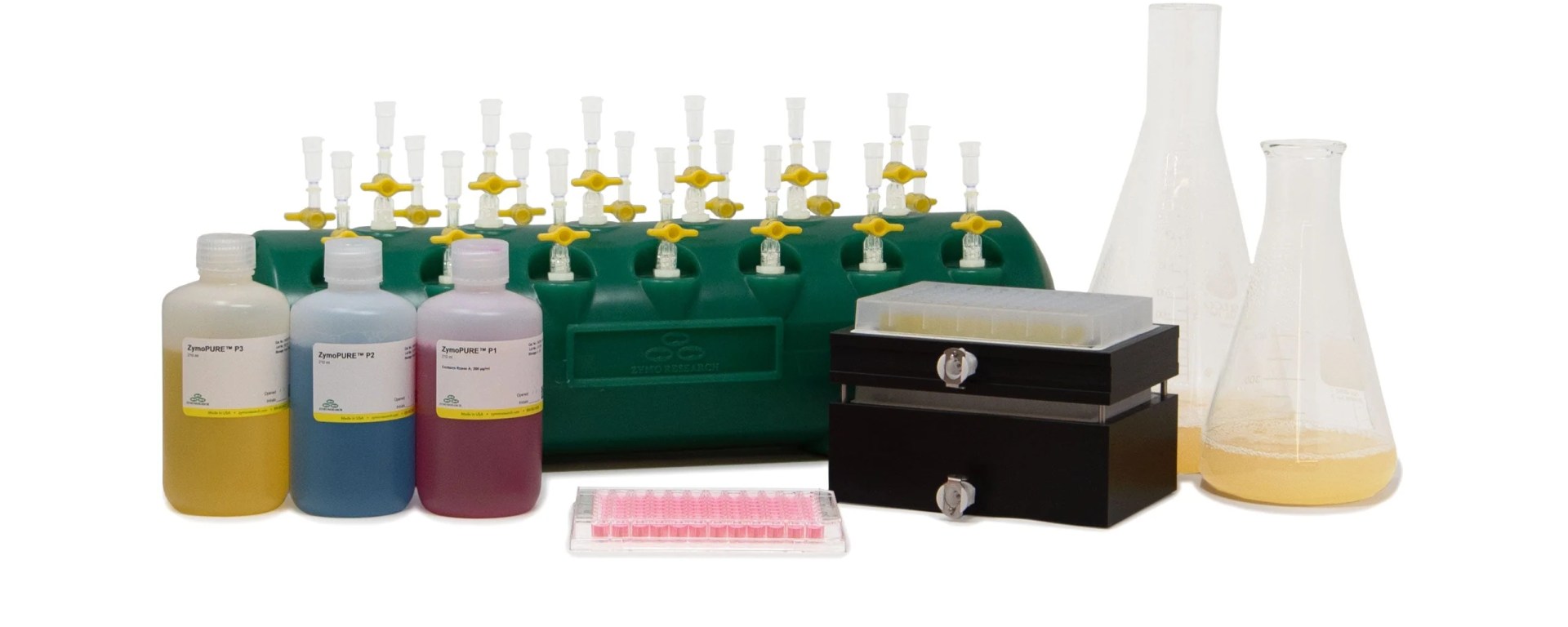
High-purity plasmid DNA is essential for many molecular biology applications, including cloning, sequencing, gene expression studies, and transfection experiments. Even small amounts of contaminants can affect experimental accuracy and reproducibility. To obtain reliable results, laboratories must follow proper purification practices and use high-quality purification systems. ZymoPURE II Plasmid Kits, including D4201 and D4200, are widely used by researchers because they combine efficient purification technology with streamlined workflows designed to produce highly purified plasmid DNA.
Start with Healthy Bacterial Cultures
One of the most important steps in plasmid purification begins before the extraction process itself. Researchers should ensure that bacterial cultures are healthy and grown under optimal conditions. Overgrown cultures or poor growth conditions can reduce plasmid yield and affect DNA quality.
Using fresh overnight cultures helps maintain plasmid stability and ensures that the cells contain sufficient plasmid copies for extraction. Proper culture preparation allows ZymoPURE II Plasmid Kits to perform at their full purification potential.
Follow the Recommended Protocol Carefully
Every purification system is optimized with specific buffers and procedures. Following the recommended workflow for ZymoPURE II Plasmid Kits helps maintain the balance between DNA yield and purity.
Kits such as D4201 and D4200 include carefully formulated buffers designed to efficiently lyse bacterial cells and remove contaminants. Skipping steps or modifying the protocol can compromise the purification process and reduce DNA quality.
Avoid Cross-Contamination During Processing
Maintaining a clean laboratory environment is essential when working with plasmid purification. Cross-contamination from other samples or reagents can interfere with DNA purity.
Using clean pipette tips, sterile tubes, and proper laboratory techniques helps preserve sample integrity. The optimized purification system in ZymoPURE II Plasmid Kits works best when combined with good laboratory practices.
Ensure Proper Washing and Elution
The washing steps in plasmid purification remove residual contaminants such as proteins, salts, and endotoxins. Performing these steps carefully ensures that only purified plasmid DNA remains bound to the purification column.
After washing, the DNA is eluted using an appropriate buffer or nuclease-free water. Both D4201 and D4200 are designed to produce clean plasmid DNA during this final step, making the samples suitable for downstream molecular biology applications.
Monitor DNA Quality After Purification
Once purification is complete, researchers should evaluate DNA quality and concentration. Techniques such as spectrophotometry or gel electrophoresis help confirm that the plasmid DNA is pure and intact.
By combining proper laboratory practices with reliable purification systems like ZymoPURE II Plasmid Kits, including D4201 and D4200, researchers can consistently obtain high-purity plasmid DNA. These best practices help ensure successful experiments and dependable results across a wide range of molecular biology applications.
 E-Globe Business