
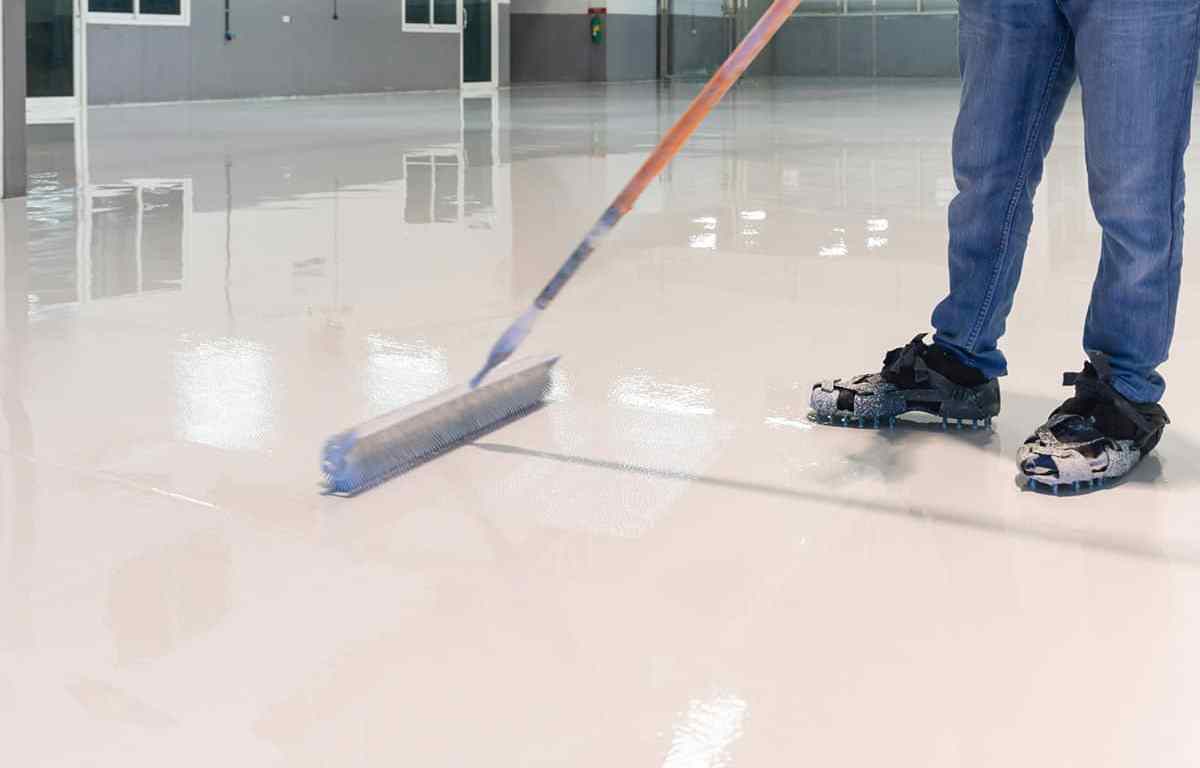
Resin flooring is known for its durability, seamless finish and low maintenance requirements. Whether installed in a warehouse, commercial unit, garage or retail space, it offers a smooth, hard wearing surface that is easy to keep clean.
However, while resin floors are robust, cleaning them correctly is essential to maintain appearance, slip resistance and long term performance.
Here is a practical guide to cleaning resin flooring properly.
Why Proper Cleaning Matters
Although resin flooring is highly durable, neglecting maintenance can lead to:
- Surface dullness
- Build up of grime and oils
- Reduced slip resistance
- Premature wear in high traffic areas
Routine cleaning protects both the appearance and structural integrity of the floor.
Daily Cleaning: Remove Dirt and Debris
Dust, grit and small debris can act like sandpaper under foot and vehicle traffic.
For daily maintenance:
- Sweep using a soft bristle broom
- Use a dust mop or microfibre pad
- In larger spaces, use a vacuum or mechanical sweeper
Removing loose particles prevents scratches and keeps the surface looking clean.
Weekly Cleaning: Damp Mopping
For most commercial and industrial settings, damp mopping once or twice a week is sufficient.
Steps:
- Sweep or vacuum first
- Use warm water with a mild, pH neutral cleaner
- Mop evenly across the surface
- Avoid excessive water pooling
- Allow to air dry
Avoid harsh chemicals, strong acids or abrasive cleaners unless specifically recommended for your resin system.
Using Floor Scrubber Machines
In warehouses and large commercial spaces, mechanical scrubber dryers are often the most efficient solution.
When using a scrubber machine:
- Choose soft or medium brushes
- Use low foam, neutral cleaning solutions
- Avoid overly aggressive pads
- Do not allow dirty water to sit on the surface
Regular mechanical cleaning helps maintain slip resistance and overall hygiene.
Dealing with Spills
Resin flooring is resistant to oils, chemicals and liquids, but spills should still be cleaned promptly.
For spills:
- Blot with absorbent material
- Clean the area with warm water and neutral detergent
- Rinse and dry
Quick action prevents staining and maintains a safe walking surface.
In industrial environments, following guidance from the Health and Safety Executive regarding spill management is essential for safety compliance.
Removing Stubborn Marks
Tyre marks or scuffs may occasionally appear, particularly in warehouses or garages.
To remove them:
- Use a soft brush with mild detergent
- Avoid steel wool or abrasive pads
- Test any stronger cleaning products in a small area first
If marks persist, consult your flooring installer before using specialist cleaners.
Long Term Maintenance Tips
To extend the life of your resin flooring:
- Place mats at entrances to reduce tracked dirt
- Clean high traffic zones more frequently
- Inspect regularly for early signs of wear
- Recoat protective top layers if required over time
Proper maintenance significantly extends the lifespan of your floor and maintains its professional appearance.
Final Thoughts
Resin flooring is designed to be low maintenance, but regular and correct cleaning ensures it continues to perform at its best.
By removing debris daily, using mild cleaning solutions and avoiding harsh chemicals, you can protect the surface, maintain slip resistance and preserve its visual appeal for years to come.
A well maintained resin floor not only looks better but also supports safety and operational efficiency across commercial and industrial environments.
 E-Globe Business