
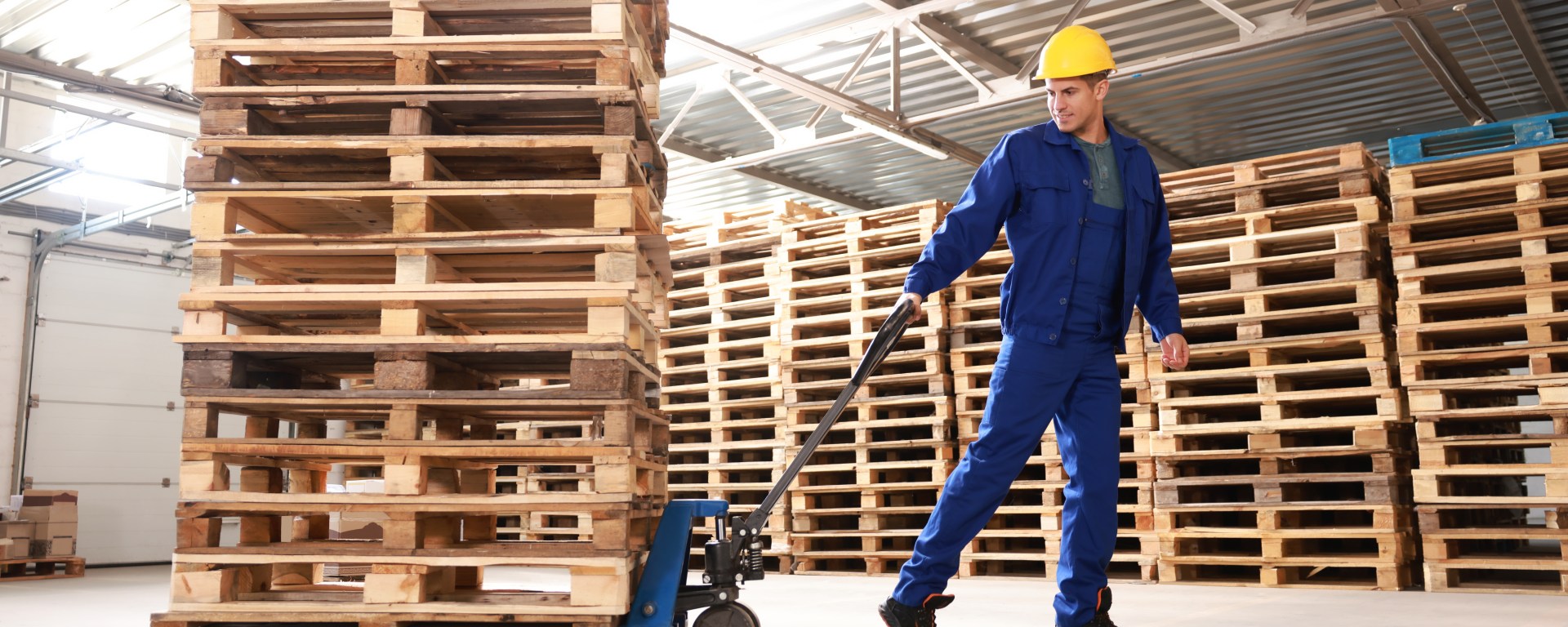
Pallets rarely get the spotlight, yet they hold up almost every product that moves through an Australian warehouse or distribution center. The right pallet setup helps protect stock, speed up handling, and keep supply chains compliant. The wrong setup creates hidden costs in damage, delays, and safety issues.
Australian businesses also face unique conditions. Local rail and warehousing networks lean heavily on the 1165 x 1165 millimeter Australian standard pallet, while export shipments must work with global sizes and strict quarantine rules.
A smarter pallet strategy starts with three basic questions:
- Which pallet sizes fit current and future freight tasks
- When to invest in new pallets versus recycled stock
- How to balance wood, plastic, and specialty pallets for hygiene, durability, and compliance
The sections below walk through those decisions in a practical way, so operations teams and business owners can tighten up pallet choices without turning it into a huge project.
Why pallet strategy matters more than most businesses think
Many companies treat pallets as a simple purchase line, not a strategic decision. Yet pallets affect almost every part of the physical supply chain.
Key impacts of pallet decisions
- Product damage and returns
Cracked deck boards, exposed nails, or undersized pallets lead to crushed cartons and punctured packaging. That damage flows into returns, rework, and claims. - Warehouse efficiency
Standardized, good quality pallets help palletizers, conveyors, and forklifts run smoothly. Mismatched sizes and poor condition force extra manual work and slow down loading. - Transport costs
Pallet weight and design affect fuel usage and cube utilization. Lighter softwood pallets cut tare weight compared to heavy hardwood pallets, which reduces freight costs at scale. - Worker safety
Broken boards, splinters, and loose nails raise the risk of injuries. Plastic or well maintained timber pallets reduce those hazards. - Compliance and export risk
Wood pallets need to meet ISPM 15 heat treatment rules for many export markets. If a shipment arrives with untreated or incorrectly marked pallets, it can be held, treated again, or destroyed at the border.
Treating pallets as an asset to manage, not just something to buy, gives a much clearer view of risk and cost across the whole supply chain.
What pallet sizes and standards do Australian warehouses rely on
Australia has a strong local standard that shapes how most warehouses and rail freight networks operate.
The Australian standard pallet in plain terms
The most common pallet in Australia is the 1165 x 1165 millimeter square pallet, often called the Australian standard pallet. It is defined in AS 4068 and used heavily by pooling providers such as CHEP and Loscam.
Key points:
- Size: 1165 x 1165 millimeters
- Typical height: about 150 millimeters
- Common use: racked storage, rail containers, major supermarket and FMCG supply chains
Two thirds of palletized transport in Australia uses this size. It fits Australian RACE rail containers closely, which is a major reason it became the local standard.
When other pallet sizes matter
Although the 1165 square pallet dominates local freight, businesses often need other sizes, for example:
- ISO style pallets (for export containers)
Sizes around 1200 x 1000 or 1100 x 1100 millimeters fit standard 20 foot and 40 foot ISO shipping containers more efficiently. - Half pallets or display pallets
Smaller footprints help with in store displays, retail promotions, and tight storage spaces. - Custom sizes for machinery or bulky products
Some production lines or heavy industrial loads need custom deck layouts, extra bearers, or special stringer spacing.
Choosing a primary pallet size that aligns with both warehousing and main freight lanes reduces repacking and mixed pallet handling. For businesses that work across local and export markets, a mixed pallet fleet often makes sense.
How to choose between new pallets and recycled pallets
Many Australian businesses sit on the fence between buying new stock pallets and relying on recycled pallets from repairers or pallet recyclers. Both approaches can work when used in the right way.
When new pallets make business sense
New pallets give better consistency and predictable performance. They are especially useful when:
- Loads are heavy, fragile, or high value
- Pallets enter racking with narrow tolerances
- Automated palletizers or conveyors handle most of the work
- Customers or certifiers require clean, traceable pallets
Australian suppliers offer new pallets in standard sizes as well as custom designs. New softwood pallets built to AS 4068 can handle loads up to 1 or 2 tonnes when designed correctly, which suits most warehousing environments.
The higher upfront cost often balances out over time through lower breakage, better safety, and fewer rejected loads.
When recycled pallets fit the job
Recycled pallets work well in many situations:
- Short haul or one way shipments
- Rough products such as bricks, bagged product, or building materials
- Non food goods that do not need hygiene controls
- Operations that can accept variations in board thickness or minor repairs
The key is to work with a recycler that grades pallets properly and meets the load and size requirements agreed with customers. A simple grading system (for example, A grade vs B grade) makes it easier to assign recycled pallets to suitable tasks.
Many businesses adopt a tiered approach:
- New or near new pallets for core lanes and customer facing work
- Recycled pallets for secondary movements and internal transfers
This avoids over spending where it is not needed while still protecting critical loads.
Are wood or plastic pallets better for your operation
The choice between wood and plastic pallets depends on sector, environment, and budget. There is no single right answer, but certain trends are clear.
Durability and load performance
Well built timber pallets handle very high static and dynamic loads. Australian softwood pallets at 1165 x 1165 millimeters can be designed for 1 to 2 tonne working loads, while some heavy duty units support even more.
Plastic pallets, especially injection molded or structural foam designs, also deliver strong load ratings. Some plastic pallets in Australia hold static loads up to 8,000 kilograms and racking loads around 2,000 kilograms.
Plastic pallets generally last more trips before failure, since they resist splintering and nail pullout. Studies and industry reports note that plastic pallets often outlast wood pallets by several times in pooled systems.
Hygiene and contamination risk
Wood is porous. Moisture, dirt, and microbes can soak into timber. That is a concern for:
- Fresh produce
- Meat and seafood
- Pharmaceuticals
- Cold chain logistics
Plastic pallets are non porous, easy to clean, and do not absorb moisture or common sanitizing chemicals. For businesses with strict hygiene programs, plastic pallets or heat treated and well maintained timber pallets usually provide the safest option.
Cost, lifespan, and sustainability
Timber pallets:
- Lower upfront cost
- Easier to repair with basic tools
- Often made from plantation pine or recycled timber
Plastic pallets:
- Higher upfront cost
- Longer lifespan with lower breakage rates
- Can be recycled at end of life and reprocessed into new pallets or plastic products
The best choice depends on the time horizon. For short projects or low margin products, timber often wins. For long term pooled use where pallets circulate for years, plastic can pay off through lower replacement and lower contamination risk.
What should Australian exporters know about pallet compliance
Export freight puts pallets under a different set of rules. Many countries follow ISPM 15, a global standard for wood packaging material.
ISPM 15 in simple language
ISPM 15 requires most solid wood packaging, including pallets, to receive approved treatment that kills pests and prevents the spread of plant diseases. The most common method is heat treatment.
Key points:
- Wood must reach at least 56 degrees Celsius at its core
- The temperature must hold for a minimum of 30 minutes
- Treated pallets receive a branded mark that proves compliance
Countries such as those in the European Union apply these rules strictly. Pallets without correct marking, or with visible bark and fresh infestation, can trigger re-treatment, rejection, or destruction.
Practical export tips
Australian exporters can reduce risk by:
- Using pallets supplied as ISPM 15 compliant and clearly stamped
- Avoiding home built pallets for export unless heat treatment and marking are in place
- Keeping documentation that links pallet batches to treatment providers
- Inspecting pallets for visible insect holes or fresh bark before loading
For some food and pharma exports, plastic pallets may be a better option. Because plastic is not wood, ISPM 15 does not apply, which removes one layer of complexity.
How pallet choice shapes warehouse safety and efficiency
Safe, efficient warehouses treat pallet condition as part of their safety program, not just an afterthought.
Safety risks linked to poor pallets
Common issues include:
- Splintered boards that cut hands and arms
- Protruding nails that pierce shoes or damage product
- Collapsing pallets under heavy stacks
- Pallets that skew on forklift tines due to broken bearers
Studies on pallet failures highlight that broken or under specified pallets increase the risk of dropped loads and injuries, especially in high bay racking and fast moving loading docks.
Efficiency benefits from standardization
Standardizing pallet types and sizes delivers several gains:
- Faster loading and unloading because forklift drivers know what to expect
- Lower risk of pallets getting stuck in racking beams
- Easier slotting and space planning in WMS software
- Cleaner interfaces with automated palletizers and stretch wrapping machines
If a business uses a mix of timber, plastic, and specialty pallets, a simple matrix that maps pallet types to specific lanes helps operators make quick, correct decisions.
For more detail on how timber, plastic, steel, and other pallet types compare, a guide to different types of pallets for Australian businesses can help unpack the technical differences and practical use cases across local supply chains.
Practical checklist for reviewing your pallet setup
Operations teams do not need a huge study to tune pallet choices. A simple review done once or twice a year can highlight most gains.
Step 1: Map where pallets actually go
- List core lanes: inbound, production, storage, outbound, export
- Note which pallet types appear in each lane
- Flag lanes with frequent product damage or customer complaints
Step 2: Match pallet type to task
For each lane, ask:
- Is load weight within the safe design limit
- Does the pallet size suit racking, containers, and trailers
- Does the sector need high hygiene or clean surfaces
- Does the pallet need ISPM 15 compliance
Where answers do not line up, consider shifting to higher grade timber, switching some lanes to plastic, or introducing a pool of pallets reserved for sensitive customers.
Step 3: Review new versus recycled mix
- Identify lanes where recycled pallets work without added risk
- Reserve premium new stock for export, automation, and fragile product
- Set simple grading rules so staff can assign pallets to the right jobs
Step 4: Build basic controls into daily work
- Add pallet checks to pre start inspections for forklifts and reach trucks
- Train staff to reject pallets with broken bearers, missing boards, or visible infestation
- Track pallet related product damage in incident reports
Small tweaks in pallet controls often deliver a quick reduction in product damage and minor injuries, which shows up in both financial and safety reports.
Moving your pallet strategy forward
Pallets might seem like a small line item, yet they touch almost every carton, drum, and crate across an Australian supply chain. Getting the basics right on pallet sizing, material, condition, and compliance pays off through fewer product losses, smoother export shipments, and safer warehouses.
The most practical next steps for many businesses are:
- Standardize as much as possible around a core pallet size that suits local storage and main freight lanes
- Reserve higher grade or plastic pallets for sensitive products and strict customers
- Use export compliant pallets or plastic where ISPM 15 rules apply
- Work closely with a pallet partner who can supply both new and recycled options, plus repair and grading services
A short review of current pallet flows, backed by data on damage and customer feedback, often uncovers quick wins. With those changes in place, pallets shift from a hidden cost driver to a quiet advantage in how smoothly products move from supplier to customer.
 E-Globe Business