
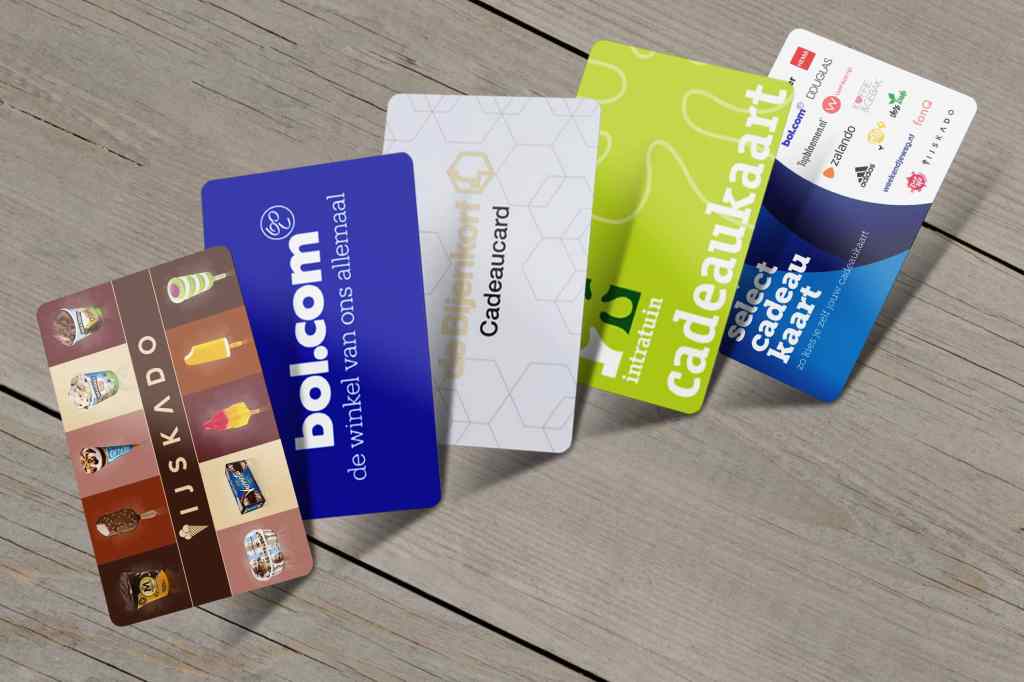
Gift cards are prepaid monetary instruments with a set value that may be redeemed at several retailers or merchant networks. These convenient payment alternatives function as modern alternatives to traditional cash gifts while offering spending flexibility for recipients. Giving and receiving maximise value by understanding their operational mechanics. Several resources are available at https://amexxgiftcards.com/ that provide answers to questions about gift cards, activation steps, and usage guidelines for consumers.
Activation and loading procedures
Gift card activation occurs at purchase points when cashiers scan cards, linking them to payment systems and crediting purchased amounts to unique card identification numbers.
- Physical cards activate instantly at register checkout during purchase transactions
- Online-purchased cards activate automatically when orders are processed and complete
- Reloadable cards allow adding additional funds after initial balances deplete
- Gift card packaging displays activation status and includes usage instructions
- Receipt confirmations show loaded amounts and provide purchase proof for givers
Variable-load cards allow buyers to select the amount they wish to add within a set minimum and maximum limit. This helps them match the card value to their budget or the recipient’s need. Fixed-denomination cards are offered in set values such as twenty-five, fifty or one hundred currency units. These cards make the buying process simple and easy to decide.
Redemption mechanics at checkout
Recipients redeem gift cards by presenting them as payment during checkout transactions, either in-store at physical registers or online during payment step completion. Cashiers scan card barcodes or manually enter card numbers, processing charges against available balances, and deducting purchase amounts. Remaining balances after partial redemptions stay on cards for future use until funds are exhausted completely through additional transactions. Online redemption needs card numbers and security codes entered on the website during checkout. It works in the same way as a credit card payment. Digital wallets and mobile payment apps give the option to store gift cards. Users can add the card details in the app and use them easily. This helps them access the card anytime without keeping the physical one. Split-tender transactions combining gift cards with other payment methods handle purchases exceeding gift card balances, where recipients pay overages through debit cards, credit cards, or cash.
Security features protect balances
In addition to multiple security measures, modern gift cards have been designed to prevent unauthorised use, theft, and fraud. Physical cards include scratch-off panels concealing PIN codes or security numbers that recipients reveal only when ready to use the cards.
- Unique identification numbers distinguish each card from others in circulation
- CVV security codes provide additional verification during online purchases
- Balance check systems let holders verify remaining funds before shopping
- Lost or stolen card replacement policies protect registered card balances
- Fraud monitoring detects suspicious transaction patterns, triggering account freezes
Transaction receipts showing remaining balances help cardholders track spending and know when cards are near depletion, requiring alternative payment readiness. Gift cards are prepaid payment instruments containing stored monetary values that recipients spend at designated retailers or anywhere payment networks are accepted. They work through activation at purchase, value storage on magnetic strips or digital codes, redemption during checkout transactions, security features protecting balances, and various expiration or fee policies affecting long-term value retention.
 E-Globe Business