
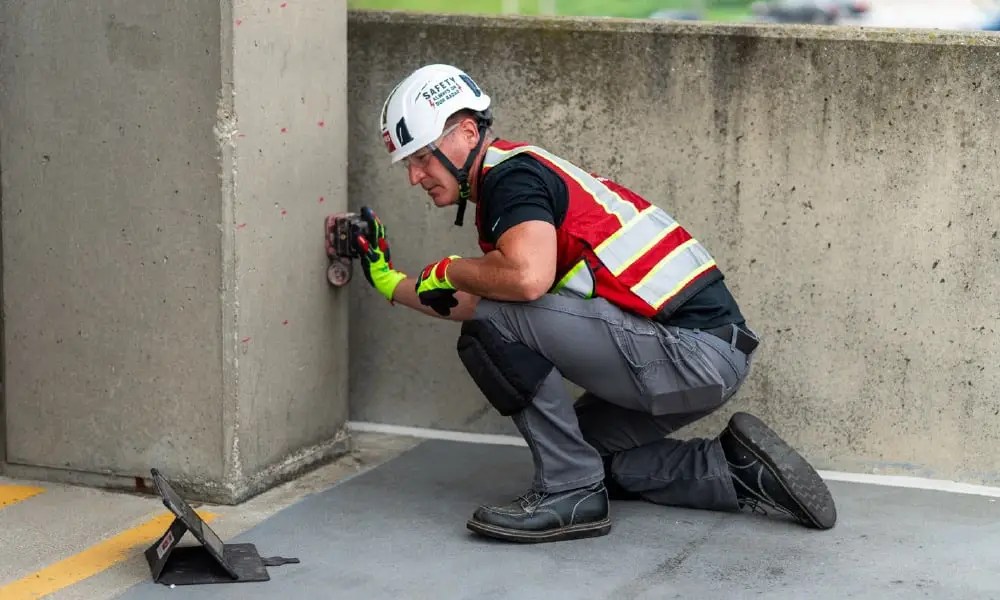
Imagine you’re about to drill into a concrete slab. You’ve got the plans, the drill, and the determination. But what lurks beneath the surface? Hidden pipes, electrical conduits, or structural supports could turn a simple task into a costly and dangerous disaster. That’s where the importance of thorough concrete scanning procedures comes into play, transforming potential pitfalls into smooth, successful projects. It’s more than just avoiding accidents; it’s about ensuring the integrity and longevity of your construction work.
In the construction industry, precision and safety are paramount. The ability to see through solid concrete, without destructive methods, offers a significant advantage. This article explores the world of concrete scanning, revealing its benefits, methodologies, and why it’s an indispensable tool for modern construction. We’ll delve into how utilising methods for concrete scanning can minimise risks, maximise efficiency, and contribute to the overall success of your building projects.
The Importance of Concrete Scanning
Why is concrete scanning so vital? Think of it as a pre-emptive strike against the unknown. Before any cutting, coring, or drilling begins, scanning provides a clear picture of what lies within the concrete structure. This avoids accidental damage to embedded utilities, reduces the risk of structural compromise, and ultimately saves time and money.
Moreover, the need for concrete scanning extends beyond mere damage prevention. It’s also about:
- Safety: Protecting workers from potential hazards like electrocution or flooding.
- Efficiency: Avoiding costly delays and rework caused by hitting hidden objects.
- Accuracy: Ensuring precise placement of new fixtures and installations.
- Compliance: Meeting regulatory requirements and industry best practices.
Essentially, investing in a comprehensive scan of concrete is an investment in the success and safety of your entire project. It’s about making informed decisions based on accurate data, rather than relying on guesswork and potentially disastrous outcomes.
How Concrete Scanning Works: Technology and Techniques
The magic behind concrete scanning lies in the sophisticated technology it employs. Ground Penetrating Radar (GPR) is the most common method. But how does it actually work?
GPR uses radar pulses to image the subsurface. A GPR antenna emits electromagnetic waves into the concrete, and these waves reflect off different materials and interfaces within the structure. The reflected signals are then captured by the antenna and processed to create an image of what’s hidden inside. Imagine it like sonar, but for solid materials instead of water.
Several factors influence the effectiveness of GPR, including:
- Concrete Composition: The type and density of the concrete can affect signal penetration.
- Moisture Content: Moisture can absorb radar signals, reducing the depth of penetration.
- Reinforcement Density: Heavily reinforced concrete can scatter signals, making interpretation more challenging.
Despite these challenges, GPR remains a highly versatile and reliable technique. Skilled technicians can interpret the data to identify the location and depth of various embedded objects with remarkable accuracy.
Other Concrete Scanning Technologies
While GPR is the workhorse of concrete scanning, other technologies also play a role:
- X-Ray Imaging: Offers high-resolution images but requires strict safety protocols and is less portable than GPR.
- Cover Meters: Used to detect the presence and depth of steel reinforcement bars (rebar).
- Ultrasonic Testing: Employs sound waves to detect flaws and variations in concrete density.
The choice of technology depends on the specific requirements of the project, the type of information needed, and the site conditions. Often, a combination of techniques provides the most comprehensive and reliable results.
Benefits of Using Concrete Scanning Services
Engaging professional concrete scanning services offers a multitude of benefits that extend far beyond simply locating embedded objects. It’s about leveraging expertise, advanced technology, and comprehensive reporting to make informed decisions and mitigate risks.
Consider these key advantages:
- Expertise and Experience: Trained technicians possess the knowledge and skills to operate scanning equipment effectively and interpret the data accurately.
- Advanced Equipment: Professional services utilise state-of-the-art GPR systems and other technologies to provide the highest quality images and data.
- Comprehensive Reporting: Detailed reports provide clear and concise information about the location, depth, and type of embedded objects.
- Risk Mitigation: Identifying potential hazards before construction begins reduces the risk of accidents, damage, and costly delays.
- Cost Savings: Avoiding damage to utilities and structural elements saves time, money, and prevents potentially expensive repairs.
By partnering with experienced professionals, you gain access to a level of expertise and technology that simply isn’t available with DIY approaches. This translates to more accurate results, reduced risks, and greater peace of mind.
Applications of Concrete Scanning in Various Industries
The versatility of the process of concrete scanning makes it an invaluable tool across a wide range of industries. From construction and renovation to infrastructure maintenance and forensic investigations, its applications are diverse and impactful. Here are a few examples:
- Construction: Locating rebar, conduits, and post-tension cables before cutting, coring, or drilling.
- Renovation: Identifying hidden utilities and structural elements before demolition or remodeling.
- Infrastructure Maintenance: Assessing the condition of bridges, tunnels, and other concrete structures.
- Forensic Investigations: Determining the cause of structural failures and identifying hidden defects.
- Utility Companies: Locating underground pipes and cables to prevent damage during excavation.
In each of these applications, concrete scanning provides critical information that enables informed decision-making, reduces risks, and ensures the safety and integrity of the project.
Choosing the Right Concrete Scanning Provider
Selecting the right provider for concrete scanning is crucial to ensuring accurate results and a successful project outcome. Not all scanning services are created equal, and careful consideration should be given to several key factors.
Here are some important considerations:
- Experience and Expertise: Look for a provider with a proven track record and experienced technicians.
- Equipment and Technology: Ensure the provider uses state-of-the-art GPR systems and other relevant technologies.
- Certifications and Training: Verify that the technicians are properly certified and trained in concrete scanning techniques.
- Insurance and Liability: Confirm that the provider has adequate insurance coverage to protect against potential liabilities.
- References and Reviews: Check online reviews and ask for references from previous clients.
Don’t hesitate to ask potential providers detailed questions about their experience, equipment, and methodologies. A reputable provider will be happy to answer your questions and provide evidence of their qualifications.
Minimising Risks and Maximising Project Success
Ultimately, the goal of concrete scanning is to minimise risks and maximise the chances of project success. By providing accurate and reliable information about what lies beneath the surface, scanning empowers you to make informed decisions and avoid costly mistakes.
Consider these key benefits:
- Reduced Risk of Damage: Prevents accidental damage to embedded utilities and structural elements.
- Improved Safety: Protects workers from potential hazards and injuries.
- Increased Efficiency: Avoids costly delays and rework caused by hitting hidden objects.
- Enhanced Accuracy: Ensures precise placement of new fixtures and installations.
- Greater Peace of Mind: Provides confidence that the project is being executed safely and effectively.
In conclusion, investing in professional methods for obtaining a scan of concrete is a wise decision that can save you time, money, and potential headaches. It’s a proactive approach to risk management that contributes to the overall success of your building project. Wouldn’t you rather know what’s hidden beneath before you start drilling?
 E-Globe Business