
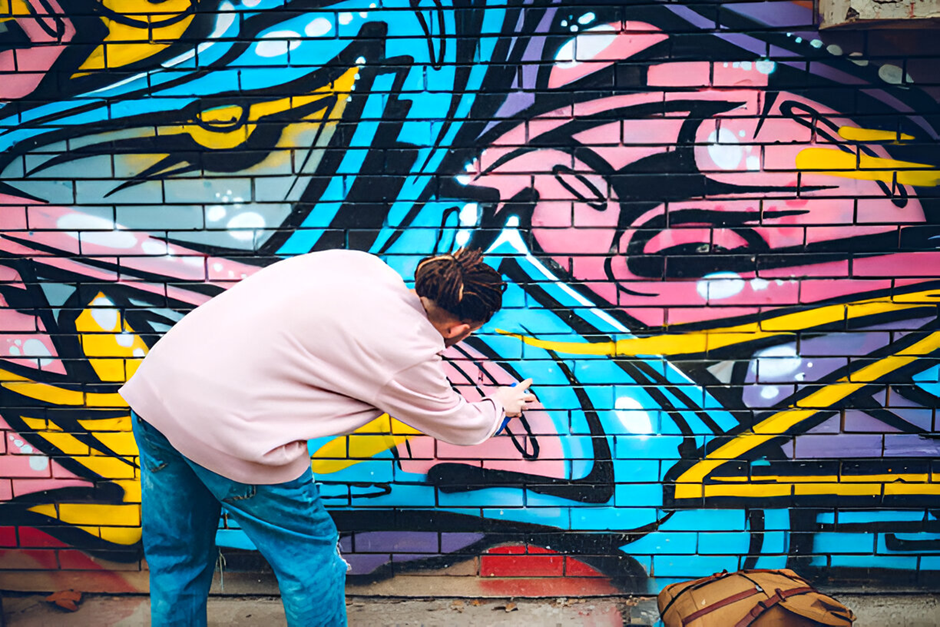
Think of your CEO, typically in a meeting room and spread charts, now in an over-the-top colourful alleyway with huge murals. This is not a diversion but an innovation culture lesson.
Taking corporate leaders on a street art walking tour might be the most insightful team-building exercise they have ever experienced, offering a fresh perspective on risk, creativity, and value creation that directly applies to the streetart bussines world. By example in Belgium there are a lot of streetart courses and graffiti artists.
Companies like Graffiti workshops have long understood this connection, facilitating experiences that help professionals see urban art not as vandalism, but as a powerful model for entrepreneurial thinking.
Learning from a Gift Culture
At its heart, the street art community operates as a gift economy. Graffiti artists rarely receive immediate payment. They use their personal funds on paint, risk being fined or arrested, and do it in the middle of the night–all to leave a creative gift to their community.
This inner desire to build something extraordinary, driven by passion rather than profit, is what drives successful startups and disruptive innovation.
The payoff is reputation and respect that leads, in turn, to long-term value. This spirit can drive corporate values that encourage employees to propose innovative ideas out of a pleasure in creation and the acknowledgement it brings.
Embracing Risk and Liberty
Street art is forged in liberty and risk. Artists never say anything is impossible; they look at an empty wall and devise a way to make it work. This is akin to the entrepreneurialism in business. The highly controlled labs or direct projects do not give birth to true innovation.
It starts when individuals or small crews take initiative, break conventions, and act on a bold idea. A walking tour reveals that the most respected works were those that took the most creative risks, yet were often avoided by others, as they achieved success through sheer genius.
This highlights the importance of fostering a culture of risk-taking and reward, rather than micromanaging.
The Danger of Over-Controlling Creativity
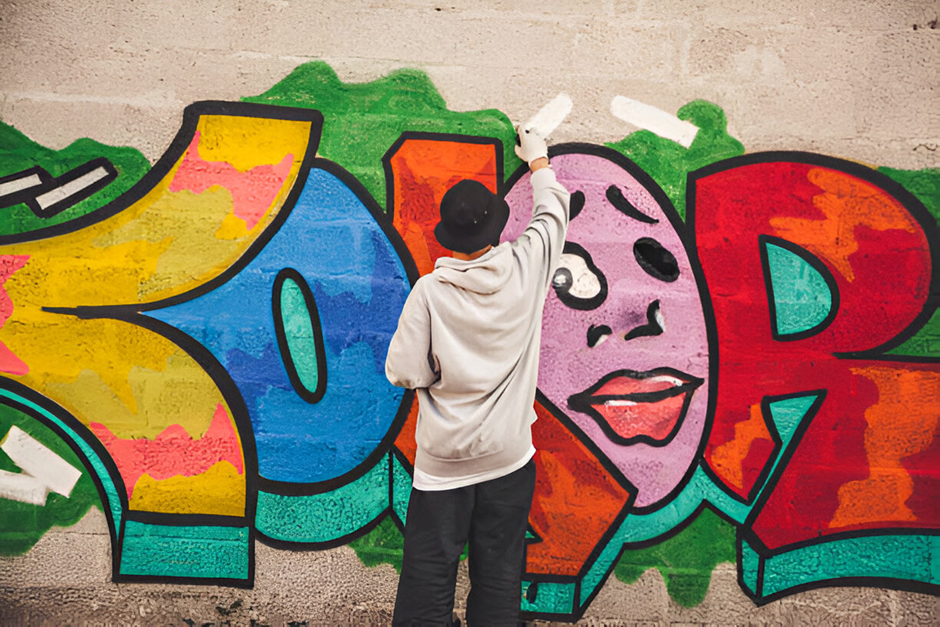
Many councils and corporations try to domesticate creativity by creating “approved” spaces, like innovation labs or legal walls. Although this is well-meant, it often kills the spirit it is supposed to foster. Forcing artists to complete forms to paint is bureaucracy at its worst, just as requiring innovation to follow strict procedures can kill the intrapreneur.
The most powerful ideas often come from the edges, from those willing to operate outside the conventional rules. When companies fail to provide the context for a liberated approach to creativity, their most talented personnel often leave to form their own companies, essentially creating their own corporate graffiti and undermining the established structure.
Key Takeaways for Corporate Leaders
Culture builds action, not directive: An innovation culture is not what people can be forced to do, but what they can be encouraged by example to emulate.
- Reputation is a powerful currency: The power of recognizing and rewarding bold contributions is that it encourages even greater contributions.
- Liberation over domestication: Give enough space to be creative, but do not structure them too much. It aims at empowering, not controlling.
A street art tour is also more than just an exhibition of gorgeous artworks; it is a live example of how to create a culture of said risk, intrinsic motivation, and disruptive thinking. It is a great lesson to remember that sometimes, the best lessons in business are lurking around the walls outside your office.
 E-Globe Business