
In the world of engineering, construction, and manufacturing, precision is paramount. A millimetre out here, a fraction of a degree off there – it all adds up. And when the stakes are high, as they often are, you simply can’t afford to leave accuracy to chance. That’s where the expertise of a professional offering dimensional control surveying services becomes invaluable. These specialists are the unsung heroes who ensure everything lines up, fits together, and functions exactly as it should. But what exactly do they do, and why are they so crucial? Let’s delve into the benefits of having a dimensional control surveyor on your project.
From ensuring the structural integrity of a skyscraper to guaranteeing the flawless operation of a complex machine, the role of ensuring a reliable dimensional control procedure on projects cannot be overstated. They provide the critical measurements and analysis needed to identify and correct any discrepancies, preventing costly errors and delays. Think of them as the quality control guardians of the built environment.
What is Dimensional Control Surveying?
Dimensional control surveying, at its core, is about precisely measuring and verifying the dimensions of objects, structures, and spaces. But it’s more than just taking measurements. It’s a comprehensive process that involves:
- Planning: Defining the scope of the survey and identifying critical dimensions.
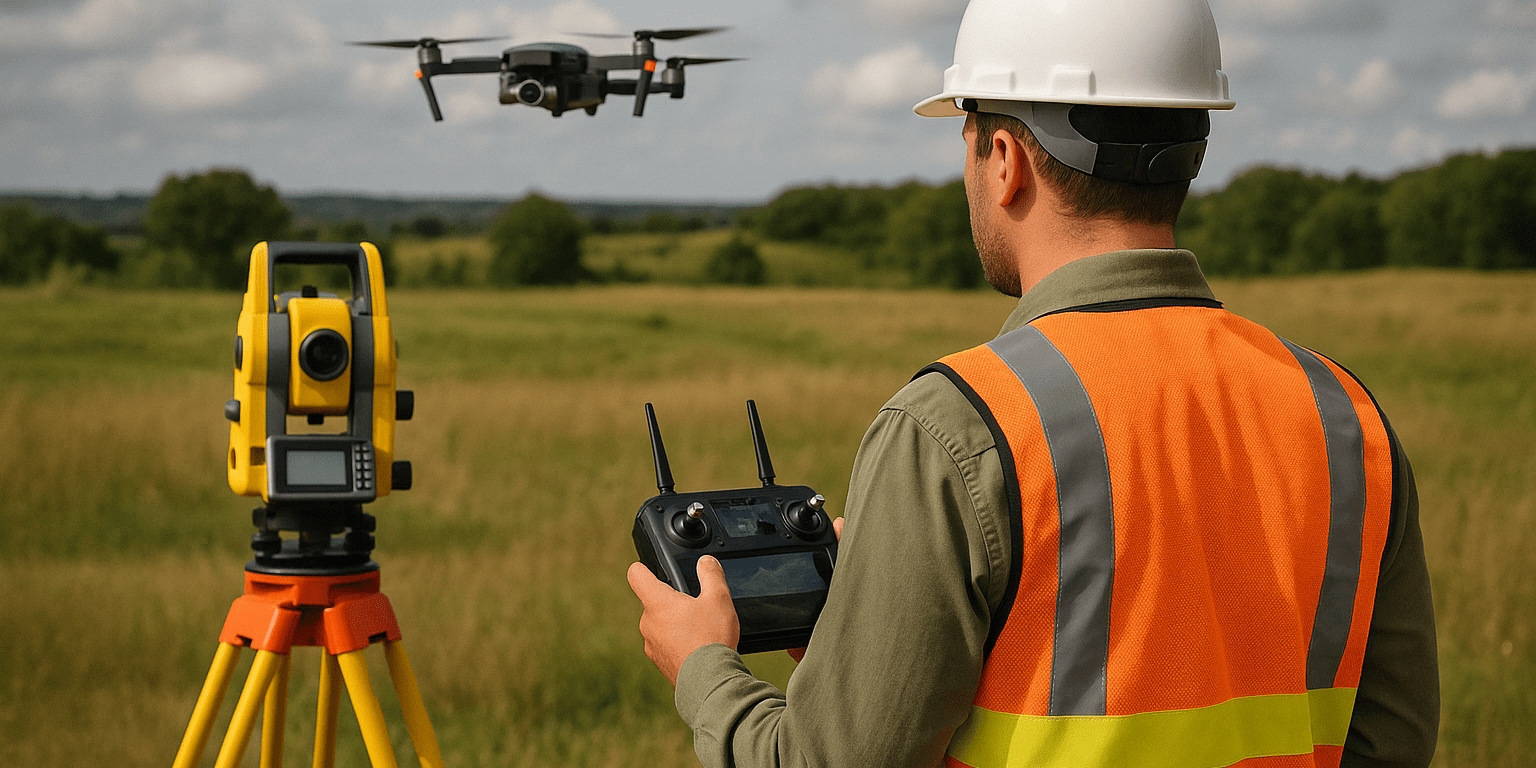
- Measurement: Using advanced equipment like laser trackers, total stations, and 3D scanners to capture accurate data.
- Analysis: Comparing the measured dimensions to the design specifications and identifying any deviations.
- Reporting: Presenting the findings in a clear and concise report, often with recommendations for corrective action.
Essentially, it’s about making sure that what’s being built or manufactured matches the intended design, with minimal tolerance for error.
The Benefits of Engaging a Dimensional Control Surveyor
So, why should you consider bringing in a specialist providing services for dimensional control through surveying on your next project? The advantages are numerous and can significantly impact the success of your endeavour.
Enhanced Accuracy and Precision
This is the most obvious benefit. Dimensional control surveyors utilise state-of-the-art equipment and techniques to achieve unparalleled accuracy. They can detect even the smallest deviations that might otherwise go unnoticed, preventing potential problems down the line. Imagine building a bridge where the supporting pillars are just slightly misaligned. The consequences could be catastrophic. Engaging someone to oversee the dimensional control with surveying ensures that such critical components are perfectly aligned.
Reduced Errors and Rework
By identifying and correcting errors early in the process, dimensional control surveying can significantly reduce the need for costly rework. Rework is not only expensive but also time-consuming, potentially delaying project completion and impacting your bottom line. Think of it as preventative medicine for your project – catching problems early before they escalate.
Improved Quality Control
Dimensional control surveying plays a vital role in quality control. It provides an independent verification of the dimensions, ensuring that the final product meets the required standards and specifications. This is particularly important in industries where safety and performance are critical, such as aerospace and automotive manufacturing. Knowing that the dimensional control with a qualified surveyor is managed meticulously provides peace of mind.
Cost Savings
While it might seem like an added expense, dimensional control surveying can actually save you money in the long run. By preventing errors, reducing rework, and improving quality control, it can minimise costly delays, material waste, and potential legal liabilities. It’s an investment that pays for itself many times over. Consider the scenario of a large construction project – rectifying errors after completion can be exponentially more expensive than identifying and addressing them during the build.
Compliance with Standards and Regulations
Many industries are subject to strict standards and regulations regarding dimensional accuracy. Dimensional control surveying helps ensure compliance with these requirements, avoiding potential fines and legal issues. This is especially critical in heavily regulated sectors such as pharmaceuticals and food processing, where even minor deviations can have serious consequences.
Optimised Efficiency
By providing accurate and reliable dimensional data, dimensional control surveying can streamline the construction or manufacturing process. It enables engineers and technicians to work more efficiently, reducing downtime and improving productivity. When everyone has access to precise information, decisions can be made with greater confidence and speed.
When to Engage a Dimensional Control Surveyor
Timing is everything. So, when is the best time to bring in a dimensional control surveyor? Ideally, you should involve them early in the project lifecycle, during the planning and design phases. This allows them to identify potential issues before they become major problems. However, dimensional control surveying can also be beneficial at various stages of a project, including:
- Pre-fabrication: Verifying the dimensions of components before they are assembled.
- During construction: Monitoring the alignment and positioning of structural elements.
- Post-installation: Inspecting the completed structure or product to ensure it meets specifications.
Ultimately, the best time to engage a dimensional control surveyor depends on the specific needs of your project. However, the earlier you involve them, the greater the potential benefits.
Choosing the Right Dimensional Control Surveyor
Not all dimensional control surveyors are created equal. When selecting a provider, it’s important to consider their experience, qualifications, and the technology they use. Look for a company with a proven track record of success in similar projects. Ask for references and check their credentials. Make sure they have the expertise and equipment necessary to meet your specific needs.
Furthermore, consider their approach to quality assurance and their commitment to accuracy. Do they have a robust quality control system in place? Are they willing to provide detailed reports and documentation? These factors can make a significant difference in the outcome of your project.
The Future of Dimensional Control Surveying
The field of dimensional control surveying is constantly evolving, driven by advancements in technology. We’re seeing increased use of 3D scanning, laser trackers, and other sophisticated tools. These technologies are enabling surveyors to capture more data, more quickly, and with greater accuracy than ever before.
Furthermore, the integration of Building Information Modelling (BIM) is transforming the way dimensional control surveying is performed. BIM allows surveyors to create digital models of structures and objects, which can then be used to compare measured dimensions to the design specifications. This enables them to identify and correct errors in real-time, further improving accuracy and efficiency. The future is bright for those working to provide expertise in dimensional control with surveying.
Real-World Applications
The applications of dimensional control surveying are vast and varied. Here are just a few examples:
- Construction: Ensuring the accurate alignment of structural elements in buildings, bridges, and tunnels.
- Manufacturing: Verifying the dimensions of components in automobiles, aircraft, and machinery.
- Aerospace: Inspecting the surfaces of aircraft wings and fuselages for defects.
- Oil and Gas: Monitoring the deformation of pipelines and storage tanks.
- Mining: Measuring the volume of stockpiles and the dimensions of open-pit mines.
In each of these applications, dimensional control surveying plays a critical role in ensuring safety, quality, and efficiency.
Investing in Precision
In conclusion, engaging a specialist in offering reliable services for a dimensional control surveyor is an investment in precision, accuracy, and quality. It’s a proactive approach that can save you time, money, and headaches in the long run. Whether you’re building a skyscraper, manufacturing a complex machine, or monitoring the integrity of a pipeline, the benefits of dimensional control surveying are undeniable. So, the next time you’re planning a project that demands accuracy, remember the value of a dimensional control surveyor. It could be the best decision you ever make.
“`
 E-Globe Business