
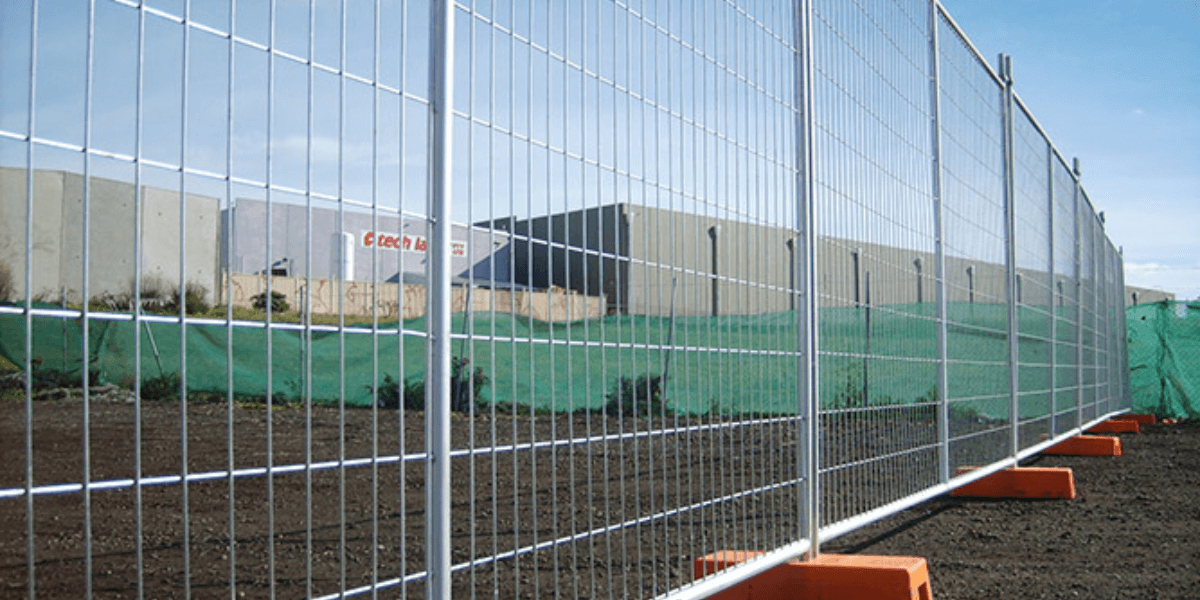
Temporary fencing might look like a simple setup—just a few panels locked into place—but don’t be fooled. On a construction site, it’s not just about marking boundaries. It’s about safety, legal compliance, and keeping everyone (and everything) protected.
So, before you start piecing together those mesh panels and weighted bases, let’s talk about the safety standards you really need to know. Because doing it wrong isn’t just inconvenient—it can get you fined, delay your project, or worse, put people at serious risk.
Why Temporary Fencing Matters More Than You Think
Construction sites are chaotic by nature—moving vehicles, open trenches, falling debris, and hazardous materials. Without proper barriers, these risks extend beyond your crew to the general public.
That’s where temporary construction fencing comes in. It:
- Restricts unauthorised access
- Helps prevent theft and vandalism
- Keeps pedestrians out of harm’s way
- Delineates work zones clearly
- Shows you’re compliant with regulations
But not all fencing setups are equal. The key is to ensure they meet national safety standards and are fit for the job, not just a visual deterrent.
1. Minimum Height and Structural Stability
In most countries, there are minimum height requirements for temporary site fencing. Typically, that means:
- At least 2 metres (6.5 feet) tall for standard construction sites
- Made of rigid materials like welded mesh, not soft plastic barriers
And it’s not just about how tall the fence is. It also needs to withstand wind, tampering, and movement. That means secure anchoring, bracing for windy areas, and no loose or broken panels.
Pro Tip: Never assume that the fencing will “hold up.” Strong gusts or curious passers-by can turn a flimsy fence into a liability in minutes.
2. Proper Installation and Anchoring
If you’re using base plates, make sure they’re weight-rated and spaced correctly. No wobbling. No tipping. No shortcuts.
- Sandbags or concrete feet are often used to weigh fencing down
- Bracing or backstays are required for stability in exposed or windy areas
- Panels should be connected with clamps or locking systems, not loosely wired
Poorly installed fencing is basically an accident waiting to happen, especially near busy walkways, roads, or residential areas.
3. Clear Signage and Visibility
Your fencing isn’t just a physical barrier—it’s also a visual one.
- Use high-visibility bunting or mesh screens to make the fence stand out
- Display clear warning signs, such as “Construction Zone,” “Keep Out,” or hazard-specific signage
- Include emergency contact details on signage in case something goes wrong after hours
This is especially crucial at night or in bad weather when visibility drops. Don’t make people guess what’s going on behind that fence.
4. Access Points and Emergency Routes
It’s not enough to throw up fencing and call it a day. Your layout must include:
- Gates for workers and vehicles, wide enough for equipment to pass through safely
- Emergency exits that comply with fire safety rules
- Clear pathways to first aid stations, evacuation routes, and assembly points
And here’s the kicker—those gates must be locked after hours, but accessible during emergencies. It’s a balancing act, but safety can’t take a back seat.
5. Childproofing and Public Safety
Construction sites are often near schools, parks, or residential zones. That means you’ve got to think like a risk assessor and a parent.
- No sharp edges or gaps that kids could crawl through
- No exposed wires or dangling chains
- No stacking materials near the fencing where someone could climb over
You’d be surprised how resourceful children can be. If it looks climbable, it is climbable.
6. Local Laws and Construction Codes
Always check with your local council or regulatory body. Safety standards can vary by region, and non-compliance can result in:
- Project delays
- Hefty fines
- Insurance issues
- Legal liability if an accident occurs
In the UK, for example, the Health and Safety at Work Act 1974 and Construction (Design and Management) Regulations 2015 apply. In Australia, it’s Work Health and Safety (WHS) laws. In the US, OSHA governs fencing standards in construction zones.
Bottom line? What’s “good enough” in one country might get you shut down in another.
7. Regular Inspections and Maintenance
Temporary fencing isn’t a set-it-and-forget-it kind of job.
- Check for damage or shifting daily, especially after storms or site activity
- Replace or repair bent panels, missing clamps, or unstable feet immediately
- Keep the area around the fencing clear of debris or stacked materials
A damaged fence is worse than no fence at all—it gives people a false sense of security and opens the door to liability.
So, Is It Just About Following Rules?
Yes and no. Following the safety standards is non-negotiable. But more than that, proper fencing is about creating a safer, more professional work environment. It shows clients, regulators, and the public that your site is run with care—and that can go a long way in building trust.
Plus, let’s be real: redoing fencing after an inspection or incident costs time and money. It’s far easier (and cheaper) to do it right the first time.
Final Thoughts: Fence Smart, Not Just Fast
Temporary fencing might feel like a minor detail, but in construction, the small stuff is what separates a well-run site from a risky one. Take the time to understand the regulations, invest in quality materials, and install with intent.
Because when it comes to safety? There’s no such thing as “good enough.”
 E-Globe Business