
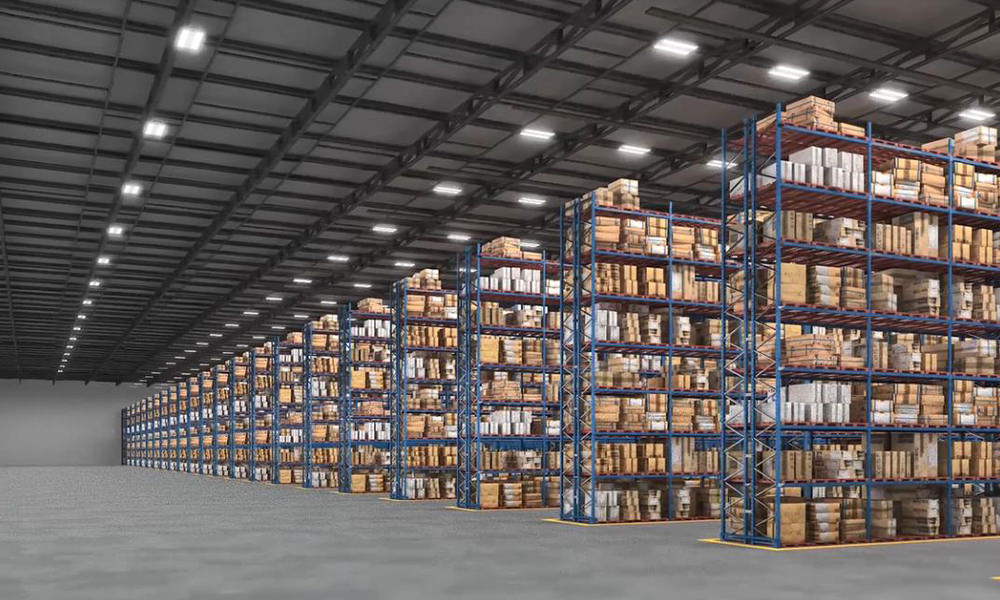
The modern racking system has become the backbone of efficient warehouse operations, transforming how businesses store, organise, and retrieve their inventory in an increasingly competitive marketplace. As supply chains grow more complex and customer expectations soar, the strategic implementation of these storage solutions determines whether your operation thrives or merely survives.
The Hidden Crisis in Modern Warehousing
Walk through any bustling warehouse district in Singapore, and you’ll witness a fascinating paradox. Whilst e-commerce has exploded and consumer demand has reached unprecedented heights, many facilities still operate with antiquated storage methods that would have seemed outdated decades ago. The consequences ripple through entire supply chains, creating bottlenecks that cost businesses millions in lost efficiency and missed opportunities.
The traditional approach to warehouse storage—stacking boxes haphazardly or relying on basic shelving—has become not just inefficient but genuinely dangerous. Workers strain under the physical demands of reaching awkwardly placed items, safety incidents multiply, and inventory accuracy plummets as items become buried beneath layers of stock.
Understanding the Anatomy of Excellence
Modern racking systems represent a sophisticated marriage of engineering precision and operational psychology. These aren’t mere metal frameworks; they’re carefully orchestrated ecosystems designed to maximise every cubic centimetre of available space whilst ensuring seamless accessibility.
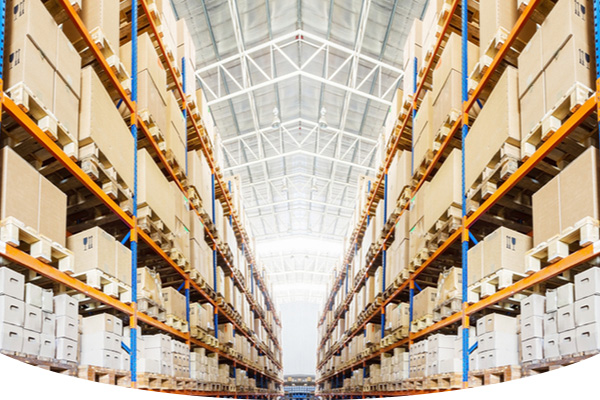
The fundamental principle underlying effective racking lies in vertical optimisation. Rather than sprawling horizontally across expensive floor space, intelligent racking solutions capitalise on height, creating multiple storage levels that can triple or quadruple capacity within the same footprint. This vertical approach proves particularly crucial in land-scarce environments where real estate costs can make or break operational viability.
Key components that distinguish superior racking systems include:
- Adjustable beam configurations that accommodate varying product dimensions without requiring complete system overhauls
- Load-bearing calculations engineered to specific weight requirements whilst maintaining structural integrity
- Accessibility features that enable efficient picking operations regardless of storage height
- Modular expansion capabilities that grow alongside business requirements
- Safety integration including fall protection and seismic considerations
The Singapore Imperative
Singapore’s unique position as a global logistics hub creates both extraordinary opportunities and distinctive challenges for warehouse operations. The city-state’s limited land availability means every square metre commands premium pricing, making efficient space utilisation not just preferable but essential for sustainable operations.
“In Singapore’s hyper-competitive logistics landscape, the difference between profit and loss often comes down to how efficiently you can utilise your storage space,” observes industry veteran Marcus Chen, whose three decades in regional warehousing have witnessed the transformation from basic storage to sophisticated automation.
The regulatory environment adds another layer of complexity. Singapore’s stringent safety standards and building codes require racking installations to meet rigorous engineering specifications. These requirements, whilst initially seeming burdensome, actually protect investments by ensuring systems remain stable and functional under the demanding conditions typical of high-throughput operations.
Revolutionary Applications Reshaping Industries
The versatility of modern racking systems extends far beyond traditional warehouse applications. Manufacturing facilities utilise them for work-in-progress storage, enabling lean production methodologies that minimise inventory whilst maintaining supply continuity. Retail operations deploy them in back-of-house areas, creating micro-distribution centres that support omnichannel fulfilment strategies.
Healthcare and pharmaceutical operations present particularly stringent requirements, necessitating racking solutions that maintain temperature control, prevent contamination, and enable precise inventory tracking for regulatory compliance. The food and beverage sector demands systems that facilitate first-in-first-out rotation whilst maintaining hygiene standards.
Automotive parts distribution showcases perhaps the most complex racking applications, where thousands of SKUs with varying dimensions, weights, and retrieval frequencies must coexist within systems that enable rapid order fulfilment. The successful implementation of racking in these environments often determines whether businesses can meet just-in-time delivery commitments.
Technology Integration and Future Trajectories
The convergence of racking systems with digital technologies creates unprecedented opportunities for operational optimisation. Warehouse management systems now communicate directly with racking configurations, directing workers to optimal picking locations whilst updating inventory levels in real-time.
Radio-frequency identification and barcode integration transform racking from passive storage into active inventory management platforms. These technologies enable precise tracking of individual items, reducing picking errors and eliminating the time-consuming inventory counts that plague traditional storage methods.
Emerging automation technologies promise even greater integration possibilities. Robotic picking systems work in harmony with racking configurations, whilst artificial intelligence optimises storage locations based on demand patterns and seasonal fluctuations.
Making the Strategic Investment
The financial implications of racking system implementation extend well beyond initial capital expenditure. Properly designed systems generate returns through increased storage density, reduced labour costs, improved inventory accuracy, and enhanced safety performance. These benefits compound over time, creating substantial competitive advantages for businesses that invest wisely.
The installation process requires careful coordination with ongoing operations. Experienced professionals can minimise disruption through phased implementations that maintain operational continuity whilst upgrading storage capabilities. This approach proves particularly crucial for businesses that cannot afford extended operational shutdowns.
Whether you’re planning a new facility or upgrading existing operations, the strategic selection and implementation of an appropriate racking system will determine your competitive position for years to come.
 E-Globe Business