
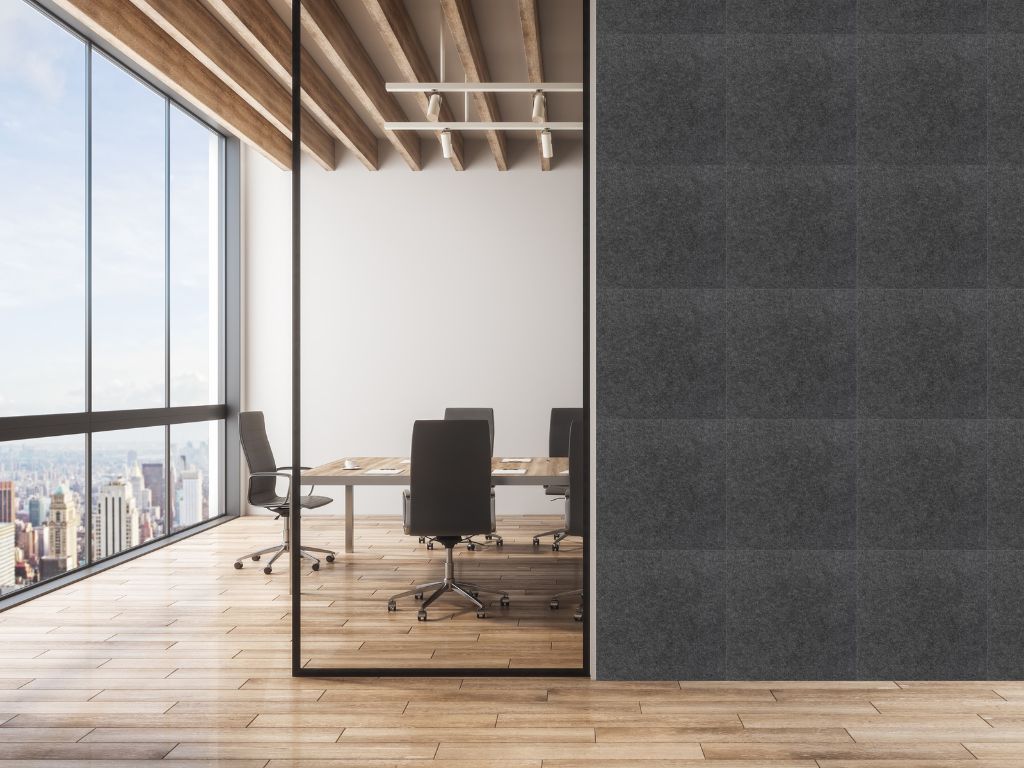
We’ve all been there — that echoey office where every word bounces around like a rubber ball, or the home cinema where the sound is more muddled than immersive. Enter acoustical wall panels — the unsung heroes of clear, quiet spaces.
But what makes these panels so effective? And why are they considered essential in environments where sound clarity and peace matter?
What is an Acoustical Wall Panel?
At its core, an acoustical panel is designed to absorb sound. Not block it, mind you — that’s soundproofing, a completely different beast. These panels aim to control sound within a space by reducing echo, reverberation, and noise reflections.
Made with porous materials like fibreglass, foam, or mineral wool, and often wrapped in decorative fabric, they come in a range of shapes, colours, and sizes. Some are even made from eco-friendly recycled materials — great for sustainability-minded spaces.
How Do They Actually Work?
Sound travels in waves. When those waves hit hard surfaces (like walls, ceilings, glass, or tiles), they bounce right back into the room, creating reverberation. Too much of this leads to poor speech clarity, muddled audio, and general discomfort.
Noise control panels absorb those sound waves, converting the energy into tiny amounts of heat via friction as the air passes through the fibrous or porous material inside the panel. Less reflection = less chaos in the room’s soundscape.
In short: they tame the sound energy, creating a more controlled, intelligible, and pleasant environment.
What Makes Them So Essential?
You might be wondering — do I really need acoustic panels, or are they just for audiophiles and architects? The truth is, acoustical panels benefit far more than just sound quality. They improve the way we work, live, and communicate in everyday spaces. Here’s why they’ve become a must-have in both residential and commercial environments.
1. Improved Speech Intelligibility
In classrooms, meeting rooms, or open-plan offices, clarity is king. Acoustical panels reduce competing noise and echo, making it easier to hear — and be heard — without raising your voice.
That’s not just convenient — it’s good business and better learning.
2. Enhanced Listening Experience
Love your home theatre system? So do we. But all the gear in the world won’t help if your room is acoustically “live.” Panels absorb those disruptive mid-to-high frequencies, giving you crisper dialogue, more accurate sound, and less boom from the bass.
For music rooms, studios, or podcasting setups, it’s an absolute game-changer.
3. Noise Reduction in Shared Spaces
If you’ve ever worked in a co-working space or lived in a flat with thin walls, you’ll know how annoying sound spill can be. Acoustic wall panels absorb excess sound, cutting down the overall noise level and helping keep your conversations… well, yours.
4. Better Mental Health and Focus
Yes, really. High noise levels increase stress, reduce concentration, and can even affect productivity. Acoustic treatment brings things down to a human-friendly level, which is why you’ll find it in healthcare clinics, libraries, and even airports.
It’s not just about acoustics — it’s about well-being.
Where Are They Most Effective?
These panels shine in any space where sound matters — but here are a few standouts:
- Home offices and video call setups
- Conference rooms
- Classrooms and lecture halls
- Studios and media rooms
- Restaurants and cafés (especially the trendy ones with concrete floors)
- Places of worship
- Healthcare settings (where both privacy and calm matter)
Acoustic Panels vs. Soundproofing: Know the Difference
This is where many people get tripped up. Acoustical wall panels absorb sound within a room, whereas soundproofing stops sound from entering or leaving a room.
If your neighbours’ karaoke sessions are the problem, you’ll need mass-loaded barriers or soundproof doors. But if your living room just sounds a bit hollow, panels are your best friend.
In some cases, the two work beautifully together, but understanding the distinction will save you time, money, and frustration.
Are They Just for Function — or Also for Form?
Here’s the best bit: acoustical panels don’t have to look like studio foam. Today’s designs are stylish enough to double as wall art. You can get panels that mimic wooden slats, geometric patterns, or full-on printed artwork.
Some even come with LED lighting, eco materials, or modular magnetic mounting systems. That means you can improve your acoustics without sacrificing your aesthetic.
The Science, Backed by Standards
For those who want hard numbers, acoustic panels are typically rated by their NRC (Noise Reduction Coefficient). An NRC of 0 means the panel absorbs 0% of sound energy; 1.0 means it absorbs 100%. Most high-quality panels fall between 0.7 and 1.0, meaning they’re excellent at taming sound.
If you’re designing a space with specific needs, look for panels that meet BS EN ISO 354 standards for sound absorption — it’s the British gold standard for acoustic materials.
Should You Hire a Professional?
If you’re looking to treat a large or complex space like commercial interiors, theatres, or spaces with high ceilings, a professional acoustic consultant is worth the investment.
They’ll evaluate the room’s unique acoustic profile, recommend the right panel types and placements, and oversee the installation to ensure maximum effectiveness. Many also offer non-invasive installations — great if you’re in a rented or listed property.
But for smaller rooms and DIY-friendly panels, a few adhesive strips and a spirit level might be all you need.
Final Thoughts: Don’t Underestimate Quiet
In a world full of noise, quiet is a luxury. And one that’s more attainable than you might think.
Acoustical wall panels offer measurable benefits — clearer sound, lower stress, better concentration — with minimal effort. They’re backed by real science, proven in practice, and easier than ever to install.
So whether you’re upgrading your podcast setup or giving your office a sonic tune-up, know this: better sound makes better spaces. And that starts with the humble acoustic panel.
 E-Globe Business