
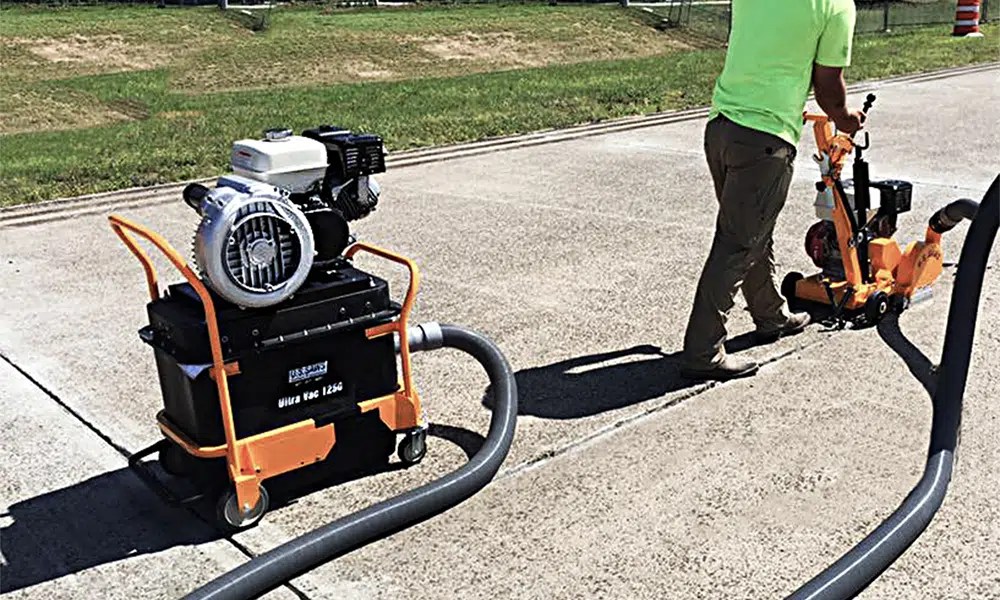
Demolition projects play a crucial role in urban development and renewal, but they come with significant risks. Among these is the danger posed by dust, which can threaten the safety and health of workers, nearby residents, and the environment. During demolition, materials like concrete, brick, wood, and drywall are broken down, releasing fine particulate matter into the air. This dust often contains hazardous substances, including silica, asbestos, and heavy metals. Prolonged or excessive exposure to these particles can lead to severe health issues, including respiratory illnesses, lung damage, and even cancer. Moreover, dust can obscure visibility on-site, increasing the likelihood of accidents. These risks make effective dust suppression essential.
Dust suppression: A key to workers’ health
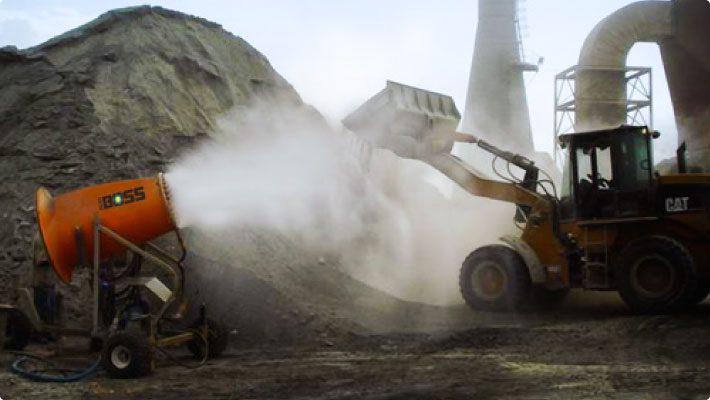
Protecting workers is a top priority in any demolition project. BossTek dust suppression methods, such as water sprays, foam, or misting systems, help control the dispersion of airborne particles. By preventing dust from becoming airborne, these techniques significantly reduce the risk of inhalation and exposure to hazardous substances. Additionally, dust suppression minimizes the risk of secondary contamination. Controlling dust at the source prevents these scenarios, creating a safer work environment for everyone involved.
Protecting neighboring communities and the environment
During demolition projects dust can drift beyond the site boundaries. This can negatively impact nearby communities, reducing air quality and creating health risks for residents. Dust suppression systems, such as perimeter barriers and water curtains, prevent dust from spreading, ensuring the safety and well-being of neighboring populations. From an environmental perspective, excessive dust can contaminate nearby soil and waterways, causing ecological damage. Effective suppression measures help mitigate these risks, ensuring the project complies with environmental standards and reduces its ecological footprint.
Enhancing site safety with improved visibility
In demolition, clear visibility is essential for safe operations. Dust clouds can obstruct the view of machinery operators, crane operators, and ground personnel, leading to accidents and errors. Suppressing dust keeps the air clear, ensuring workers can see their surroundings and perform their tasks safely. Furthermore, reduced dust levels help ensure that safety signals, warnings, and equipment remain visible. This visibility is crucial for effective communication and coordination on busy demolition sites, where multiple teams and heavy machinery are often operating simultaneously.
Meeting regulatory compliance and avoiding penalties
Strict regulations govern dust control and air quality during demolition projects. Failing to manage dust effectively can result in penalties, project delays, or even legal action. Dust suppression ensures compliance with these regulations, protecting both the project’s timeline and its budget. Employing dust control measures also demonstrates a commitment to safety and professionalism. It builds trust with clients, stakeholders, and regulatory bodies, enhancing the reputation of demolition contractors and project managers.
The future of dust suppression in demolition
As technology advances, dust suppression methods continue to evolve. Innovations such as automated misting systems, real-time air quality monitoring, and eco-friendly suppression agents are improving the effectiveness of dust control. These advancements allow demolition professionals to tackle even the most challenging projects while prioritizing safety and sustainability.
Dust suppression is an integral part of ensuring demolition safety, and protecting workers and communities. Therefore, prioritizing dust suppression not only meets regulatory standards but also safeguards lives, proving its value as a cornerstone of demolition safety.
 E-Globe Business