
Scaling Business Operations with Cloud-Based Tools
In today’s fast-paced business environment, scalability is more than a buzzword—it’s a necessity. Companies across industries are seeking solutions to expand their operations without being bogged down by inefficiencies or skyrocketing costs. Cloud-based tools have emerged as a game-changer, enabling businesses to scale seamlessly while optimizing their resources and workflows. Learn what is cloud computing tools

Why Scalability Matters
Scalability is the ability of a business to grow and adapt to changing demands without compromising efficiency or quality. It ensures that organizations can handle increased workloads, enter new markets, or expand services without the need for extensive restructuring.
Traditional systems often struggle with scalability due to limited infrastructure, high costs, and inflexibility. Cloud-based tools eliminate many of these barriers by providing on-demand resources, adaptable platforms, and integrated functionalities that grow alongside your business.
Key Benefits of Cloud-Based Tools
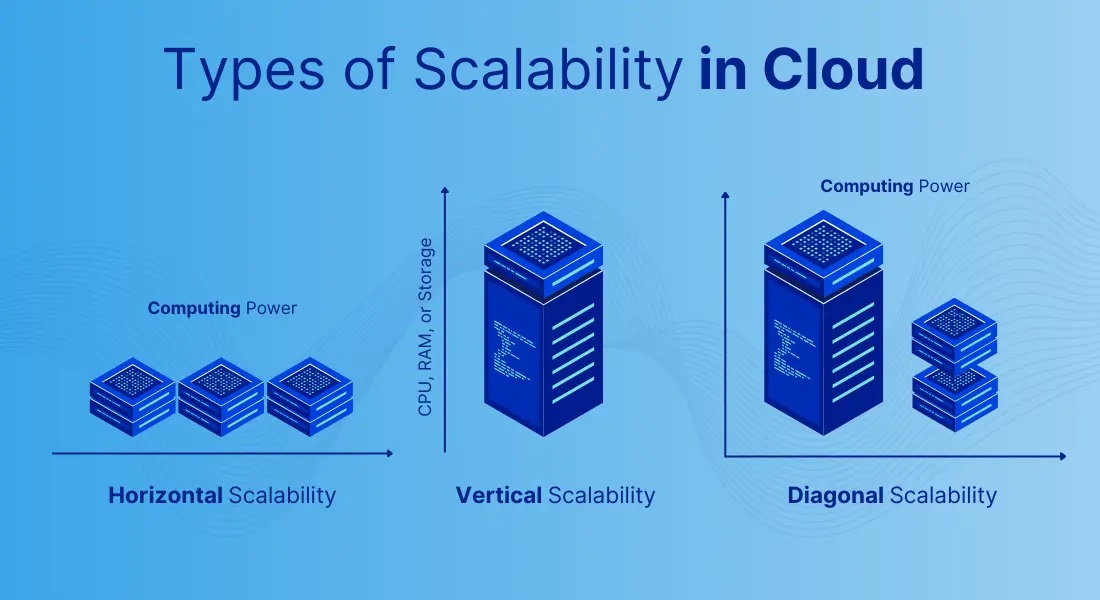
- Flexibility and Adaptability Cloud-based tools are designed to accommodate fluctuations in demand. Whether you’re experiencing seasonal spikes or launching a new product line, these tools allow you to scale up or down with ease. For example, an e-commerce company can instantly increase its server capacity during peak shopping seasons, ensuring seamless customer experiences.
- Cost Efficiency One of the most significant advantages of cloud-based tools is their cost structure. Instead of investing in expensive hardware and maintenance, businesses can opt for subscription-based models that align with their usage. This pay-as-you-go approach not only reduces upfront costs but also minimizes waste, as companies only pay for what they need.
- Improved Collaboration Cloud-based platforms enable real-time collaboration, breaking down silos and improving communication across teams. For instance, shared document tools and project management software allow employees to work together regardless of location, increasing productivity and streamlining workflows.
- Data-Driven Insights Many cloud-based tools come equipped with advanced analytics and reporting features. These capabilities provide valuable insights into business performance, customer behavior, and operational inefficiencies. With this data, companies can make informed decisions, optimize processes, and improve customer satisfaction.
Cloud Solutions Across Industries
The versatility of cloud-based tools makes them valuable across a wide range of industries:
- Retail and E-commerce: Inventory management systems, personalized marketing platforms, and customer service chatbots all leverage cloud technology to improve efficiency and customer experiences.
- Healthcare: Cloud-based electronic health records (EHR) enable seamless data sharing among providers, improving patient care and operational efficiency.
- Financial Services: Scalable platforms for fraud detection, risk management, and customer relationship management help firms stay competitive in a fast-evolving market.
- Manufacturing: Cloud-based solutions streamline supply chain operations, enabling manufacturers to monitor inventory, manage production schedules, and track shipments in real time.
More on how cloud computing is transforming the industries
Integrating Cloud-Based Tools into Business Operations
To fully leverage the power of cloud-based tools, businesses must approach integration strategically. Here are key steps to consider:
- Assess Current Needs Start by identifying pain points and inefficiencies in your existing operations. Are your teams struggling with outdated software? Are data silos hindering decision-making? Understanding your needs will help you select the right tools for your organization.
- Choose Scalable Solutions Not all cloud-based tools are created equal. Look for platforms that offer scalability, integration capabilities, and robust support. For instance, a CRM system should not only handle current customer data but also accommodate future growth.
- Prioritize Security As businesses move to the cloud, data security becomes a top concern. Ensure that the tools you choose comply with industry standards and offer encryption, multi-factor authentication, and regular updates to protect sensitive information.
- Train Your Team Adopting new technology requires a cultural shift. Invest in training programs to ensure that employees understand and can effectively use the tools. This not only boosts adoption rates but also maximizes the value of your investment.
Overcoming Challenges
While cloud-based tools offer numerous benefits, businesses may encounter challenges during implementation. Common issues include resistance to change, integration complexities, and concerns about data privacy. Addressing these challenges early on can pave the way for successful adoption.
- Resistance to Change: Clear communication about the benefits of cloud-based tools and involving employees in the decision-making process can ease transitions.
- Integration Complexities: Partner with experienced providers or consultants to ensure seamless integration with existing systems.
- Data Privacy Concerns: Establish transparent data governance policies and work with vendors that prioritize compliance and security.
The Future of Cloud-Based Tools
As technology continues to evolve, the capabilities of cloud-based tools are expanding. Emerging trends include:
- Artificial Intelligence (AI): AI-powered cloud tools can automate routine tasks, analyze large datasets, and provide predictive insights, driving efficiency and innovation.
- Hybrid Solutions: Many businesses are adopting hybrid cloud models, combining public and private clouds for greater flexibility and control.
- Enhanced Integration: Future tools will offer even deeper integrations with Internet of Things (IoT) devices, blockchain technology, and other emerging innovations.
Conclusion
Scaling business operations is a complex endeavor, but cloud-based tools provide a pathway to growth that is efficient, cost-effective, and adaptable. By leveraging these solutions, businesses can streamline processes, enhance collaboration, and make data-driven decisions that drive success. With thoughtful implementation and a focus on security, cloud-based tools can transform the way companies operate, preparing them for sustained growth in a competitive landscape.
 E-Globe Business