
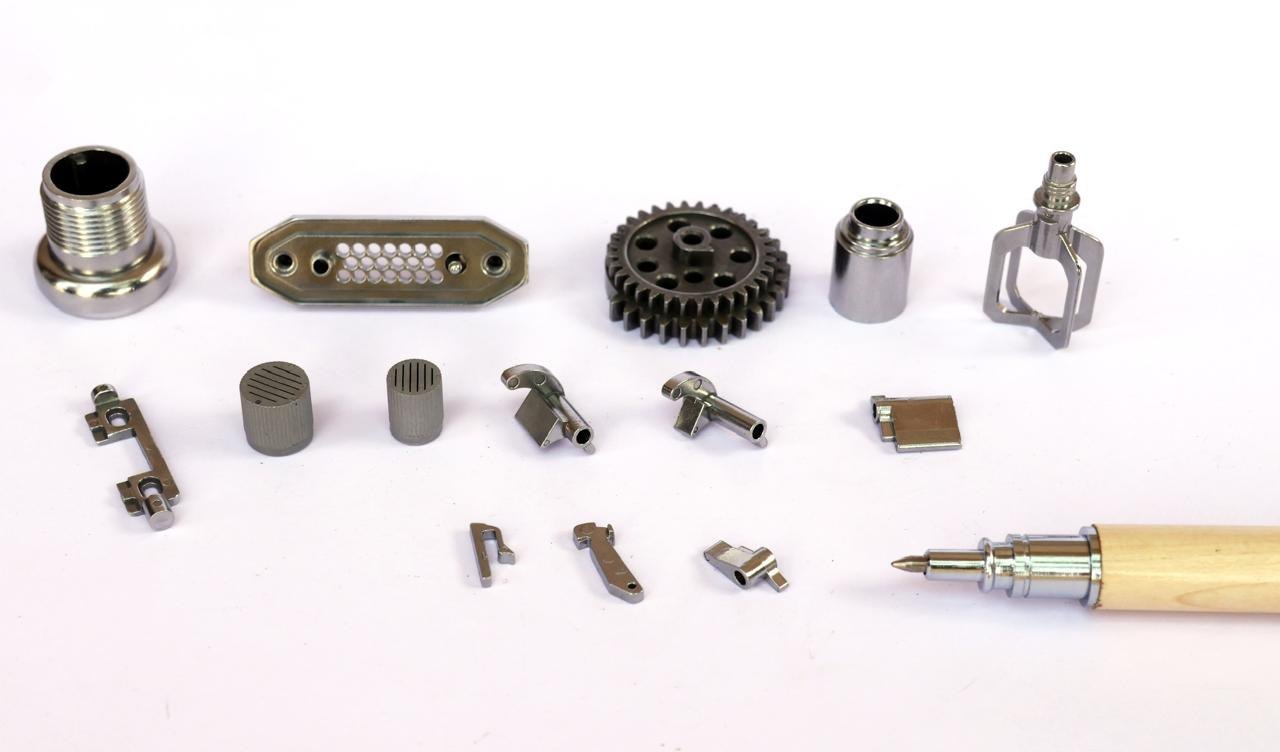
Metal injection molding has revolutionised the way precision components are manufactured, offering unprecedented advantages in producing complex geometries with exceptional material properties. As global manufacturing continues to evolve, Singapore stands at the forefront of this innovative technology, leveraging its advanced infrastructure and skilled workforce to deliver world-class solutions.
Why Singapore Is the Perfect Hub for MIM Technology
Singapore’s manufacturing sector contributes approximately 21% to the country’s GDP, with precision engineering being a key driver of this growth. The nation’s strategic position as a global trade hub, coupled with its robust intellectual property protection laws, makes it an ideal location for advanced manufacturing processes.
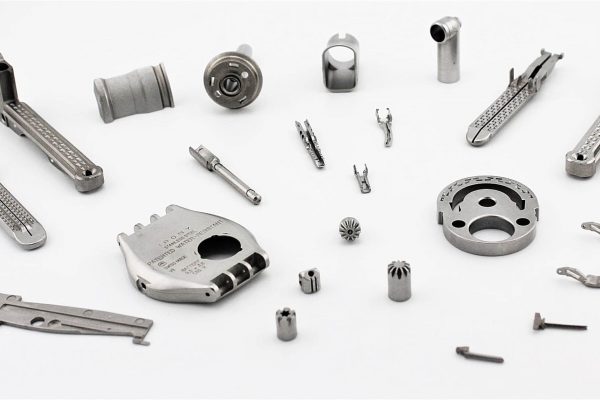
Key statistics that underscore Singapore’s manufacturing prowess:
- 2,500+ precision engineering companies
- S$22.2 billion in fixed asset investments in manufacturing (2023)
- 96% manufacturing capacity utilisation rate
- Top 5 global ranking in manufacturing value-add per capita
The Game-Changing Benefits of MIM Technology
When it comes to producing complex metal parts at scale, MIM technology offers several compelling advantages:
- Cost-effective production for medium to high volumes
- Exceptional design flexibility and complexity
- Superior surface finish compared to traditional methods
- Minimal material waste
- Consistent part quality
- Reduced secondary operations
Industries Transformed by MIM Innovation
The versatility of MIM technology has made it indispensable across various sectors:
Medical Devices
- Surgical instruments
- Dental implements
- Orthopaedic components
Aerospace
- Turbine components
- Structural elements
- Navigation system parts
Consumer Electronics
- Smartphone components
- Laptop hinges
- Camera mechanisms
Material Selection and Design Considerations
The success of any MIM project hinges on proper material selection and design optimisation. Common materials include:
- Stainless steel grades (316L, 17-4PH)
- Tool steels
- Titanium alloys
- Tungsten carbides
Design considerations must account for:
- Wall thickness uniformity
- Appropriate draft angles
- Strategic gate locations
- Proper venting requirements
Quality Control and Certification Standards
Singapore’s reputation for manufacturing excellence is built on stringent quality control measures. Leading manufacturers maintain:
- ISO 9001:2015 certification
- AS9100D certification for aerospace
- ISO 13485 for medical devices
- IATF 16949 for automotive components
“Singapore’s manufacturing sector maintains the highest quality standards in Southeast Asia, with a 99.9% first-pass yield rate in precision engineering,” according to the Singapore Economic Development Board.
Cost Considerations and ROI
When evaluating MIM for your project, consider these factors:
- Initial tooling investment
- Production volume requirements
- Component complexity
- Material selection
- Secondary operations needed
For volumes exceeding 10,000 pieces annually, MIM typically offers cost advantages of 20-50% compared to traditional manufacturing methods.
The Future of MIM in Singapore
Singapore’s commitment to Industry 4.0 initiatives and smart manufacturing positions it perfectly for the future of MIM technology. The government’s S$4.5 billion investment in the Research, Innovation and Enterprise 2025 plan demonstrates its dedication to advancing manufacturing capabilities.
Emerging trends include:
- Integration of AI and machine learning
- Advanced process monitoring systems
- Sustainable manufacturing practices
- New material development
- Hybrid manufacturing solutions
Conclusion
The adoption of MIM technology continues to grow as industries recognise its unique advantages in producing complex, high-precision components. Singapore’s advanced infrastructure, skilled workforce, and strategic location make it an ideal partner for businesses seeking a reliable metal injection molding manufacturer.
 E-Globe Business