
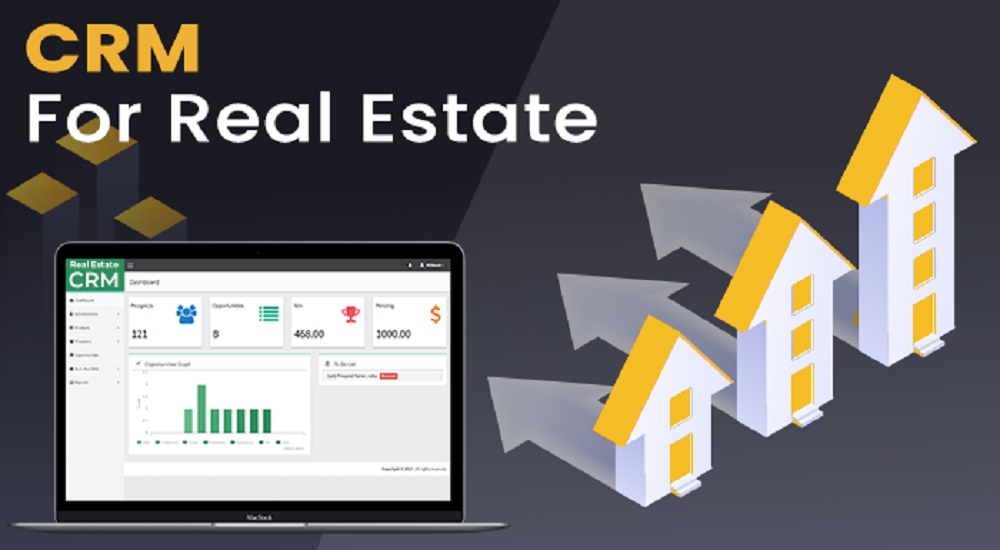
The real estate industry moves fast, and as a professional, you know the importance of managing leads, maintaining strong client relationships, and closing deals efficiently. With competition intensifying every day, it’s crucial to have tools that optimize your workflow and keep you ahead. Real estate CRM software is one of the most valuable solutions, helping you streamline operations, boost productivity, and build lasting client relationships.
Let’s explore the key benefits of real estate CRM software and how it can transform your daily operations.
Top 8 Benefits of Real Estate CRM Software
Here are the top 8 real estate CRM software benefits that can enhance your business operations and drive more successful outcomes.
Better Lead Management and Higher Conversion Rates
Handling leads efficiently makes a significant difference in real estate success. Reliable real estate CRM software can capture and organize leads from multiple channels—websites, social media, and property portals—all in one place.
For example, when a potential buyer submits an inquiry through your website, the CRM system automatically logs the lead and schedules the next steps. Based on their preferences, you’ll know exactly when to follow up, what to say, and how to engage with them.
This streamlined approach helps ensure every lead is captured, increasing your chances of converting prospects into clients.
Centralized Data for Streamlined Operations
Managing vast amounts of information can be overwhelming. Client details, property data, transaction records—it all adds up fast. Keeping everything organized is crucial, and real estate CRM software offers an easy solution by centralizing all your data.
Instead of bouncing between spreadsheets and multiple platforms, you have everything in one system. The information is at your fingertips, whether it’s client history, property listings, or transaction updates. For instance, if a client asks about a property they were interested in months ago, you can instantly pull up all the relevant details and provide tailored responses.
This centralized system saves time, eliminates errors, and ensures smooth operations, allowing you to focus on delivering top-notch service.
Enhanced Client Communication
Keeping clients informed and engaged throughout the real estate is critical to closing deals. Real estate CRM software helps you stay on top of communication by automating and personalizing it. Whether it’s a follow-up call, an email update, or a reminder for a property tour, your CRM tool ensures you never miss a beat.
Let’s say a buyer schedules a property viewing. The CRM automatically sends a confirmation email and timely reminders before the appointment. It also enables personalized communication, such as sending relevant property listings based on the client’s preferences.
This timely, personalized communication helps build trust and keeps clients satisfied. It strengthens your relationships and ensures you remain their go-to agent when they’re ready to make a decision.
Also, check Top Real Estate CRM Mistakes You Need to Avoid
Efficient Task and Time Management
The real estate business juggles multiple tasks—client meetings, property showings, negotiations, and paperwork—so staying organized can be challenging. Real estate CRM software simplifies your workflow by managing your tasks and priorities.
The system sets reminders for follow-ups, schedules meetings, and tracks deadlines, giving you a clear view of your daily and weekly responsibilities. For example, you can automate reminders to send follow-up emails, ensuring you never miss an opportunity to connect with a potential client.
Such organization frees up your time, letting you focus on high-impact activities like showing properties and closing deals. The result? You save time and get more tasks done.
Seamless Collaboration and Teamwork

In many real estate operations, success depends on collaboration. Agents, brokers, administrative staff, and legal teams must collaborate seamlessly. A real estate CRM software helps you keep everyone on the same page.
For instance, if an agent needs assistance finalizing a contract, they can easily assign tasks to a team member within the CRM system. Progress gets tracked in real time, so you know exactly where the transaction stands.
This boosts overall team efficiency and ensures every transaction proceeds smoothly, from the initial lead to the final sale. In firms with multiple locations, a CRM system helps agents in different offices communicate effectively and share critical updates.
Mobile Accessibility
Real estate agents constantly move, show properties, attend meetings, and close deals. Being tied to a desktop computer isn’t feasible. With real estate CRM software, you can access all your information from any device, anytime, anywhere.
Imagine you’re at a property showing, and the client asks for details about another listing. With mobile CRM access, you can pull up the information instantly on your phone and provide a quick, informed response.
This flexibility allows you to work efficiently from anywhere, ensuring you take advantage of every opportunity, even on the road. It’s constructive in today’s market, where responsiveness can make or break a deal.
Client Satisfaction and Long-Term Relationships
Providing exceptional service builds strong client relationships, and real estate CRM software helps you do that. By automating communication, keeping track of client preferences, and staying on top of follow-ups, you can deliver a highly personalized experience that clients appreciate.
For instance, after completing a sale, you can set up reminders to periodically check in with the client. This continued engagement makes clients feel valued and encourages repeat business or referrals.
Clients who feel connected and well-served are more likely to return for future transactions and recommend you to others. A CRM helps you nurture these relationships, turning one-time clients into long-term partners.
Data-Driven Decision-Making with Analytics and Reports
Data is robust in real estate. Real estate CRM software gives you valuable insights and detailed reports on critical aspects of your business. Want to see how many leads you’ve generated from your website? Or track which marketing campaigns are bringing in the most inquiries? A CRM provides all this data and more.
For example, most of your high-quality leads come from social media, while others from specific online platforms have lower conversion rates. With this information, you can decide where to invest your marketing budget.
Data-driven insights help you fine-tune your strategy, improving overall efficiency and success in closing deals.
Next, let’s take a look at the points you should consider before choosing CRM software for your real estate business.
Recommended read: 5 Common Mistakes New Real Estate Agents Should Avoid
Factors to Consider Before Choosing a Real Estate CRM Software

Selecting the right CRM for real estate is crucial to ensure it aligns with your business needs and goals. Here are some key factors to consider before making your decision:
Ease of Use
The CRM should be user-friendly, allowing you and your team to navigate the system easily without needing extensive training. A complicated interface can slow down operations and cause frustration, so look for an intuitive design and simple functionality.
Customization Options
Every real estate business has unique requirements, and your CRM should offer flexibility in customization. Look for software that can tailor features like data fields, workflows, and reporting to match your specific needs.
Lead Management Features
The primary purpose of a real estate CRM is to help you capture and manage leads effectively. Ensure the software has robust lead tracking, segmentation, and follow-up automation features to streamline the entire process from prospecting to closing deals.
Integration Capabilities
Your CRM should integrate seamlessly with other tools you use, such as email marketing platforms, property listing sites, and accounting software. This ensures that your systems work together efficiently without manual data entry or duplication.
Mobile Accessibility
Real estate professionals are always on the go, so mobile access is essential. Make sure the CRM offers a mobile app or responsive design that allows you to access information, update leads, and manage tasks from any device.
Scalability
As your business grows, so will your CRM needs. Choose software that can scale with your operations, whether you’re adding more agents, expanding your property portfolio, or entering new markets.
Customer Support
Reliable customer support is critical when dealing with any software. Check whether the CRM provider offers accessible, responsive support through multiple channels, such as phone, email, and live chat.
By evaluating these factors, you can ensure the CRM software you choose will support your business now and in the future, enhancing efficiency and productivity.
You can also check our blog, 15 Best Selling Real Estate Website Themes and Templates, for ideas on how to build an attractive website!
Conclusion
In the fast-paced world of real estate, staying organized and building strong relationships are critical to your success. Real estate CRM offers a range of practical benefits that streamline your operations, from lead management and client communication to task organization and team collaboration.
If you’re ready to take your real estate business to the next level, investing in a good CRM is the first step. This is where Sell.Do can help you! The platform, specifically designed for the real estate industry, enables you to optimize business processes right from inventory management to leads management and marketing automation.
Click here for a demo and explore how Sell.Do can transform your business!

 E-Globe Business