
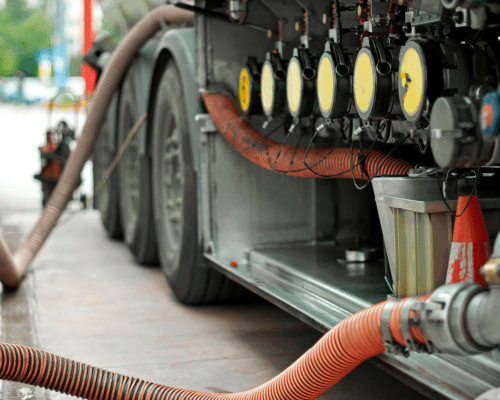
Businesses stand to gain from the shift to gasoline delivery services utilizing a simplified and effective solution. However, making the crucial choice of which supplier to work with requires a thorough comprehension of your unique requirements and priorities.
Examining the vital factors that companies and clients should consider when choosing a gasoline transport partner. Let’s examine how bringing these elements into harmony can result in a customized and fruitful collaboration.
What’s a Fuel Delivery Service?
- With mobile diesel transfer services, you may have it delivered right to your place. By eliminating the need to visit a gas station, this could save you both energy and time.
- An order is easy to place. Our smartphone app allows you to do it on the go, over the phone, or even through our easy-to-use website. Just indicate which kind of fuel you want, how much you want, and when you would like it delivered.
- Regular cars and corporate fleets are both eligible to use these diesel fuel delivery services.
- Depending on your location, the type of automobile you drive, and the service provider, the delivery cost may vary.
- When delivering, safety is crucial. Different regulations apply to drivers to avoid accidental spills, leaking, and other hazards.
- As technology advances, mobile gasoline distribution systems always grow better. New approaches are being developed to improve delivery efficiency and safety.
Determine Your Unique Requirements
Patterns of Operations: Analyze the working procedures of your organization. Do you need it delivered at specific times to keep your operations on track? Choose a gasoline transfer partner who can adjust and customize their offerings to fulfill these pressing demands.
Different Fleet Needs: If the kinds of cars and equipment that your company uses are varied. Collaborating with a supply provider that comprehends the nuances of each is essential.
Whether it’s specialty machinery, vehicles, or vans. The diesel supply partner must be able to service a variety of car models.
Uniformity in the Assignment of Drivers: Think about how important it is to have the same driver deliver diesel to your location every time. Knowing your destination, customs, and requirements in advance helps make the shipping process go more smoothly.
Geographic Range: Identifying the geographic range of your diesel – https://dieselnet.com/tech/fuel_diesel.php, needs should be one of your priorities. Determine whether your cars are stationed at one place or are used around the city. It’s critical to comprehend the scope of your activities when choosing a supplier who can fulfill your logistical needs.

Questions to Ask
- To what extent can the gasoline supply partner adapt to changes in locations or timetables for fueling?
- Does the partner possess the technical know-how to manage a varied fleet with different fuel needs?
- What methods and routes of communication does the partner have set up to guarantee smooth coordination and updates?
- Does the gasoline supply partner have cutting-edge technology for data insights, real-time tracking, and reporting?
- To what extent is the partner’s pricing structure and potential for cost savings transparent?
Considerations when Availing of a Fuel Delivery Service
Reliability:
- Examine user feedback and rankings to determine the dependability of the service.
- Find out where your fuel is by asking about their delivery tracking system.
- A backup plan should be in place in case of unforeseen traffic or inclement weather.
Safety Measures:
- Verify that drivers understand safe diesel handling techniques.
- Confirm that the trucks are well-maintained and equipped with spill-prevention features.
- If anything happens during transport, find out about insurance.
Price Transparency:
- Discover how they determine the costs based on factors such as delivery time, fuel type, and distance.
- Find out if there are additional costs for deliveries at unusual times or special requests.
- To make sure it’s a good deal, check their prices against those of typical gas stations.
Area Coverage:
- Check the service region map to see whether they deliver wherever you are.
- Inquire about policies and additional costs for deliveries outside of their regular service region.
- Learn if they provide nationwide transfer services for individuals who frequently travel.
Quality:
- Find out if the product they get meets industry standards – more info, and where it comes from.
- Figure out if they do anything to improve the performance.
- To ensure that the gasoline complies with regulations, think about requesting certificates.
Payment Options:
- Select a firm that offers secure payment methods to safeguard your funds.
- Find out whether there are any special offers for regular customers.
- Consider enabling automatic payments to facilitate deliveries.
Why did you select mobile fueling?
- Fuel transfer makes things hassle-free by delivering the gas to you.
- You’ll save time and work with the transfer. They take care of your fueling demands so you may concentrate on more essential things.
- There will always be gas in your fleet, allowing you to maintain a seamless operation.
- Logistics of gasoline transfer are handled by providers, so you aren’t concerned about anything.
- No more difficult paperwork or lengthy processes.
 E-Globe Business