
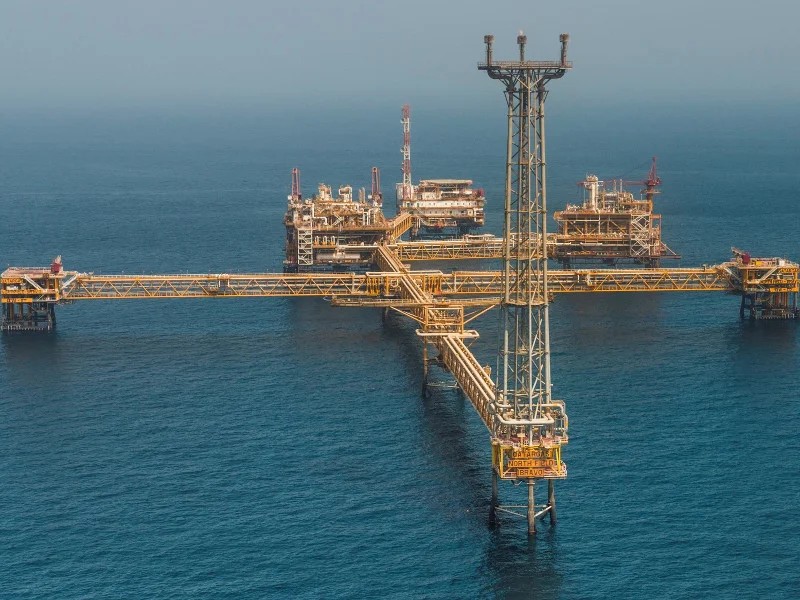
In an era where global energy dynamics are in constant flux, oil and gas analytics have emerged as critical tools for navigating the complexities of the industry. As the world grapples with shifting energy demands, regulatory changes, and technological advancements, analytics are proving indispensable in tracking and adapting to these transformations. This article explores how oil and gas analytics are employed to monitor current changes in the industry and how they shape the future of energy.
The Role of Oil and Gas Analytics
Oil and gas analytics market encompass a broad range of techniques and tools used to analyse data related to exploration, production, distribution, and consumption of hydrocarbons. By harnessing advanced technologies such as big data, artificial intelligence (AI), and machine learning (ML), these analytics offer insights that help companies make informed decisions, optimize operations, and predict future trends.
1. Optimizing Exploration and Production
One of the primary applications of analytics in the oil and gas sector is optimizing exploration and production. Historically, exploration was a costly and risky endeavour, with limited data available to guide decision-making. Today, analytics have revolutionized this process.
- Seismic Data Analysis: Advanced seismic imaging techniques, coupled with data analytics, allow geoscientists to interpret subsurface structures with unprecedented accuracy. This reduces the risk of drilling dry wells and helps in identifying the most promising sites for exploration.
- Production Optimization: Predictive analytics and real-time monitoring of production data enable companies to optimize well performance. By analysing historical data and current conditions, operators can predict equipment failures, optimize drilling parameters, and enhance recovery rates.
2. Enhancing Safety and Reducing Environmental Impact
Safety and environmental stewardship are paramount in the oil and gas industry. Analytics play a crucial role in mitigating risks and minimizing environmental impact.
- Predictive Maintenance: Machine learning algorithms analyse data from sensors embedded in equipment to predict maintenance needs before failures occur. This proactive approach not only prevents costly downtimes but also enhances safety by reducing the likelihood of equipment malfunctions.
- Environmental Monitoring: Analytics tools track environmental data such as emissions, spillages, and habitat disruptions. By monitoring these metrics, companies can ensure compliance with regulations, implement corrective measures, and work towards more sustainable practices.
3. Navigating Market Dynamics
The oil and gas market is influenced by a myriad of factors including geopolitical events, economic trends, and technological advancements. Analytics help stakeholders navigate these complexities.
- Price Forecasting: Advanced algorithms analyse historical price data, market trends, and economic indicators to forecast future oil and gas prices. This information is crucial for making strategic decisions related to investment, production planning, and hedging strategies.
- Demand and Supply Analysis: By examining patterns in consumption and production, analytics can predict shifts in demand and supply. This helps companies align their strategies with market trends and adjust their operations accordingly.
4. Supporting Strategic Decision-Making
Strategic decision-making in the oil and gas industry involves evaluating long-term investments, mergers and acquisitions, and new market entries. Analytics provide valuable insights to support these decisions.
- Scenario Planning: Simulation models use historical data and current trends to forecast various scenarios, helping executives assess the potential impact of different strategies and market conditions.
- Competitive Analysis: By analysing data on competitors’ performance, market share, and strategic moves, companies can identify opportunities and threats, refine their strategies, and gain a competitive edge.
Emerging Trends and Future Directions
As technology continues to evolve, the scope of oil and gas analytics is expanding. Key trends shaping the future include:
Integration of AI and IoT: The integration of AI with the Internet of Things (IoT) is enhancing real-time data collection and analysis. Smart sensors and AI algorithms are improving predictive capabilities and operational efficiency.
Blockchain for Transparency: Blockchain technology is being explored to enhance transparency and traceability in supply chains, ensuring more accurate tracking of transactions and reducing fraud.
Sustainability Analytics: As the industry shifts towards more sustainable practices, analytics are increasingly focused on measuring and reducing carbon footprints, optimizing energy usage, and integrating renewable energy sources.
Conclusion
Oil and gas analytics have become indispensable in navigating the evolving landscape of the energy sector. By leveraging data-driven insights, companies can optimize operations, enhance safety, navigate market dynamics, and make strategic decisions with greater confidence. As technology continues to advance, the role of analytics in shaping the future of oil and gas will only become more pivotal, driving innovation and ensuring a more sustainable and efficient energy landscape.
 E-Globe Business