
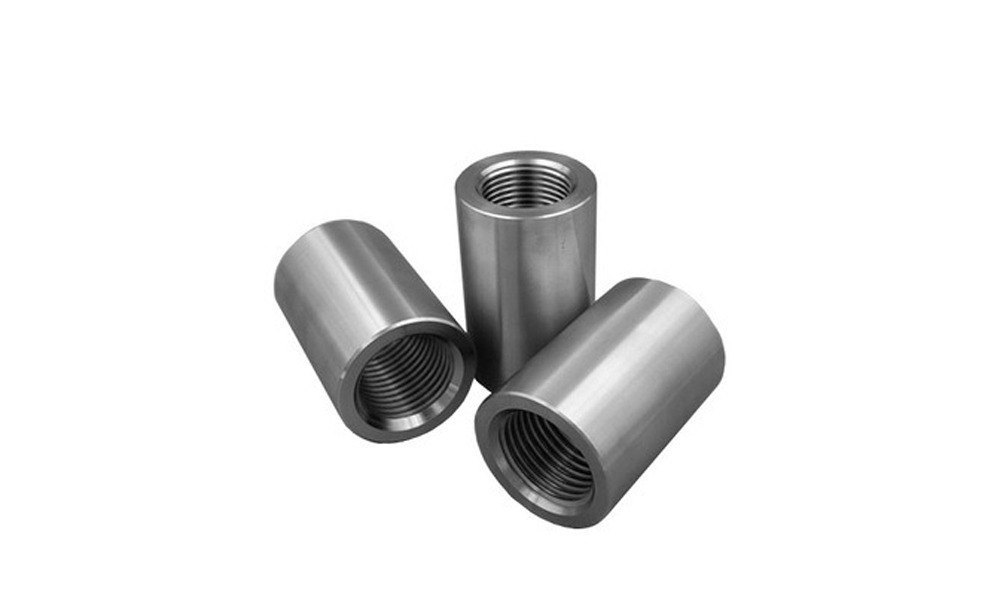
A rebar splice is a connection between two pieces of reinforcing bar that allows forces to transfer from one bar to another. Traditional methods of splicing rebars include lap splicing, where two bars overlap for a certain length and welding. These methods have limitations, especially in projects requiring high-strength connections or where space is at a premium. Full-performance rebar splicing systems are engineered to provide a connection as strong as or more substantial than the bar itself. These systems typically use mechanical couplers or sleeves to join the ends of two rebars, ensuring a secure and reliable connection.
Critical role of rebar splicing in construction
1. Enhancing structural integrity
Full-performance rebar splicing systems play a crucial role in maintaining and even enhancing the structural integrity of buildings and infrastructure. These systems ensure that the reinforcement network remains uncompromised throughout the structure by providing connections that are at least as strong as the rebar itself. This is particularly important in areas of high stress, such as seismic zones or tall buildings with significant wind loads.
2. Improving construction safety
Construction safety is a top priority on any job site. Full-performance rebar splicing systems contribute to safety in several ways:
- They reduce the need for welding, a fire hazard that exposes workers to harmful fumes.
- They minimize the required rebar overlap, reducing congestion in heavily reinforced areas and making it easier for workers to move around safely.
- High-quality splices reduce the risk of structural failure during construction and throughout the life of the building.
3. Increasing building strength
The primary advantage of full-performance rebar splicing systems is their ability to maintain or even increase the overall strength of the reinforcement network. Systems like Griptecare designed to develop the full tensile strength of the rebar, ensuring that there are no weak points in the structure. Bridges, dams, and high-rise buildings are among the critical infrastructure projects that must be reliable.
4. Enabling complex designs
As architectural designs become more ambitious and complex, full-performance rebar splicing systems provide engineers greater flexibility. These systems allow for continuous reinforcement in situations where traditional lap splicing would be impractical or impossible. This enables the construction of more intricate and innovative structures while maintaining structural integrity.
5. Cost and time efficiency
While the initial cost of full-performance rebar splicing systems may be higher than traditional methods, they often lead to overall cost savings. These systems reduce the required rebar, minimize congestion in heavily reinforced areas, and speed up construction. The time saved during installation significantly reduces labour costs and accelerates project timelines.
Future of rebar splicing
As construction techniques evolve and structures become more complex, the importance of full-performance rebar splicing systems will only increase. We can expect to see further innovations in this field, with a focus on:
- Advanced materials – Using new materials, developing couplers that offer even greater strength and durability.
- Smart splicing systems – Integration of sensors within splicing systems to monitor structural health and provide real-time data on the performance of connections.
- Sustainability – Create splicing systems that are more environmentally friendly, both in their production and their ability to facilitate the use of recycled rebar.
- Automation – Development of automated installation systems to further reduce labour costs and improve consistency in splice quality.
Engineers, contractors, and project managers must understand and use full-performance rebar splicing systems for construction projects that are high-quality, safe, and efficient.
 E-Globe Business