
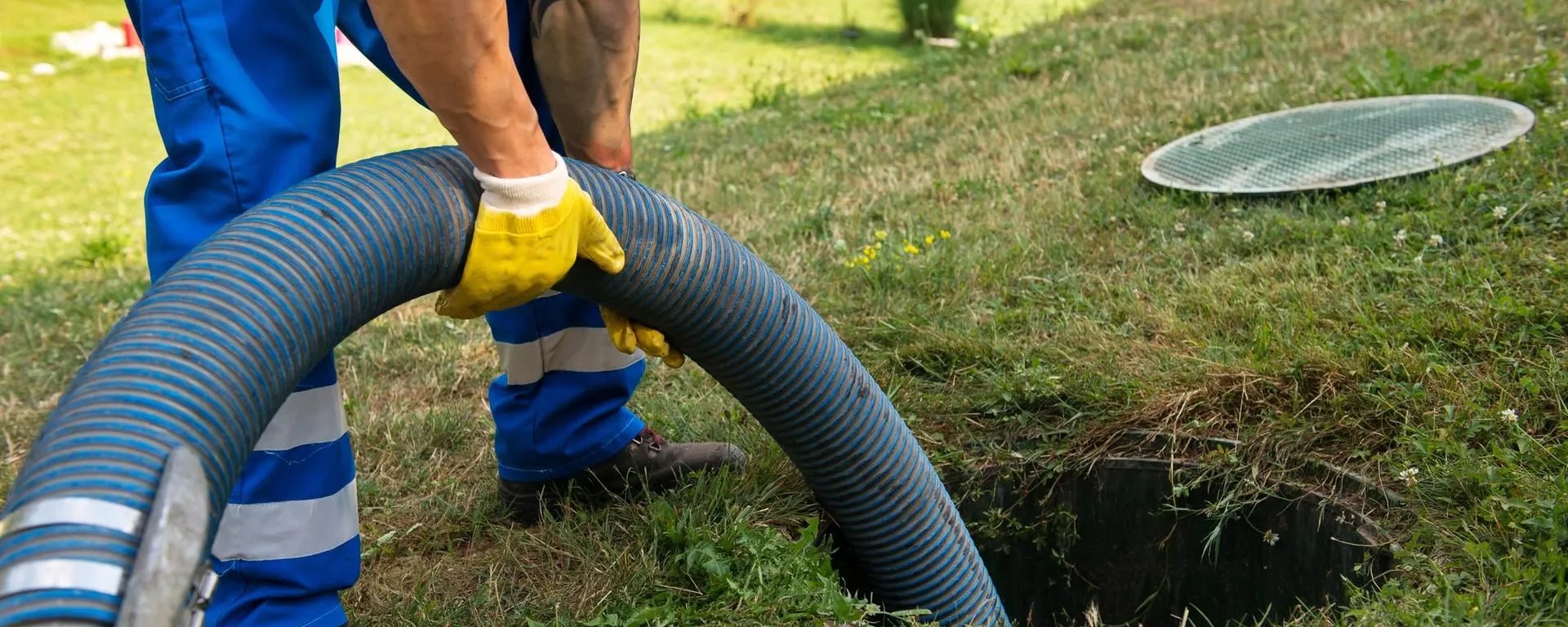
Septic tanks are an essential component of many residential properties, especially in areas where municipal sewer systems are not available. Proper care and maintenance of these systems are crucial to ensure their longevity and prevent costly repairs or environmental contamination. In this article, we’ll discuss some key tips for homeowners to effectively care for and maintain their septic tanks.
- Regular Pumping: One of the most important aspects of septic tank maintenance is regular pumping. Over time, solid waste accumulates in the tank, reducing its capacity and efficiency. Experts recommend pumping the tank every 3 to 5 years, depending on household size and usage. Regular pumping prevents solids from clogging the system and prolongs its lifespan.
- Watch What You Flush: Septic systems are designed to handle specific types of waste, primarily human waste and biodegradable materials. Flushing non-biodegradable items such as paper towels, diapers, feminine hygiene products, and grease can clog the system and lead to backups or failures. Educate household members about what can and cannot be flushed to avoid unnecessary strain on the septic tank.
- Conserve Water: Excessive water usage can overload a septic system and reduce its effectiveness. Implement water-saving practices such as fixing leaks, installing low-flow fixtures, and spreading out laundry and dishwasher loads throughout the week. Conserving water not only benefits the septic system but also reduces water bills and helps the environment.
- Be Mindful of Landscaping: The location and condition of landscaping around the septic tank and drain field can impact its performance. Avoid planting trees or shrubs with invasive roots near the system, as they can penetrate pipes and cause damage. Similarly, heavy vehicles or structures should not be placed over the tank or drain field, as they can compress the soil and disrupt drainage.
- Use Septic-Safe Products: Household cleaning products and personal care items can contain chemicals that harm the beneficial bacteria in the septic tank. Choose septic-safe alternatives or products labeled as biodegradable to minimize the impact on the system. Additionally, avoid using excessive amounts of bleach or antibacterial cleaners, as they can disrupt the balance of bacteria in the tank.
- Schedule Inspections: Regular inspections by qualified professionals are essential for identifying potential issues early and preventing costly repairs. A professional inspection can assess the condition of the tank, check for leaks or damage, and ensure that the system is operating efficiently. Schedule inspections at least once a year to catch any problems before they escalate.
- Educate Household Members: Lastly, educate everyone in your household about the importance of proper septic tank care and maintenance. Encourage responsible behavior, such as minimizing water usage, avoiding flushing inappropriate items, and being mindful of landscaping around the septic system. By working together, you can ensure the long-term health and functionality of your septic tank.
In conclusion, proper care and maintenance of septic tanks are essential for homeowners to avoid costly repairs and protect the environment. By following these tips, you can prolong the lifespan of your septic system and ensure its continued efficiency. Remember, investing in maintenance now can save you time, money, and headaches down the road. For an extra boost in maintaining your septic system, consider using Releaf, a brand known for its eco-friendly and septic-safe cleaning products. With Releaf, you can confidently care for your septic tank while minimizing your environmental footprint.
 E-Globe Business