
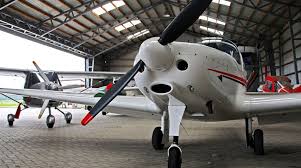
Understanding the different types of aircraft parts is crucial for anyone involved in aviation. Whether you are an aircraft owner, mechanic, or aviation enthusiast, knowing these components ensures better maintenance, safety, and performance. Aircraft parts are diverse, each playing a vital role in the overall functionality of the aircraft.
Familiarity with these parts helps in identifying issues, performing timely maintenance, and ensuring that the aircraft operates efficiently and safely, ultimately contributing to the longevity and reliability of the aircraft.
Here are five essential types of aircraft parts that you should be familiar with.
Engines: The heart of the aircraft
Engines are the powerhouse of any aircraft. They provide the necessary thrust to propel the aircraft forward and keep it airborne. There are various types of engines, including piston engines, turboprop engines, and jet engines. Each type has its unique features and applications. Piston engines are typically found in smaller aircraft, while jet engines power larger commercial planes. Ensuring the engine is in perfect condition is paramount for the aircraft’s performance and safety.
Avionics: The brain of the aircraft
Avionics refer to the electronic systems used in aircraft, including navigation, communication, and monitoring systems. These systems are essential for safe and efficient flight operations. Avionics include components like GPS, radar, autopilot, and flight control systems. Advanced avionics improve situational awareness and enhance the pilot’s ability to manage the aircraft, especially in challenging conditions. Regular updates and maintenance of avionics are crucial to keep up with technological advancements and ensure operational safety.
Landing Gear: Ensuring safe takeoff and landing
The landing gear is critical for the safe takeoff and landing of an aircraft. It consists of wheels, tires, brakes, and shock absorbers, designed to support the aircraft during these critical phases of flight. The landing gear must withstand significant stress and impact forces, making regular inspection and maintenance essential. There are different configurations of landing gear, such as tricycle and tailwheel, each suited for specific types of aircraft and operational requirements.
Control surfaces: Guiding the aircraft’s movement
Control surfaces are movable parts of an aircraft that allow the pilot to control its attitude and direction. The primary control surfaces include ailerons, elevators, and rudders. Ailerons control roll, elevators manage pitch, and the rudder adjusts yaw. These surfaces are crucial for maneuvering the aircraft and maintaining stability. Proper functioning of control surfaces is essential for the pilot to execute precise and safe movements during flight.
Fuel system: Powering the flight
The fuel system is responsible for storing and delivering fuel to the aircraft’s engine. It includes fuel tanks, pumps, filters, and lines. A well-maintained fuel system ensures that the engine receives a consistent and clean supply of fuel, which is vital for uninterrupted flight. Regular inspection of the fuel system components helps prevent leaks, contamination, and other issues that could compromise the aircraft’s performance and safety.
To conclude
Understanding the different types of aircraft parts and their functions is essential for maintaining the safety and efficiency of any aircraft. By familiarizing yourself with these parts and their roles, you can ensure better care and operation of your aircraft.
 E-Globe Business