
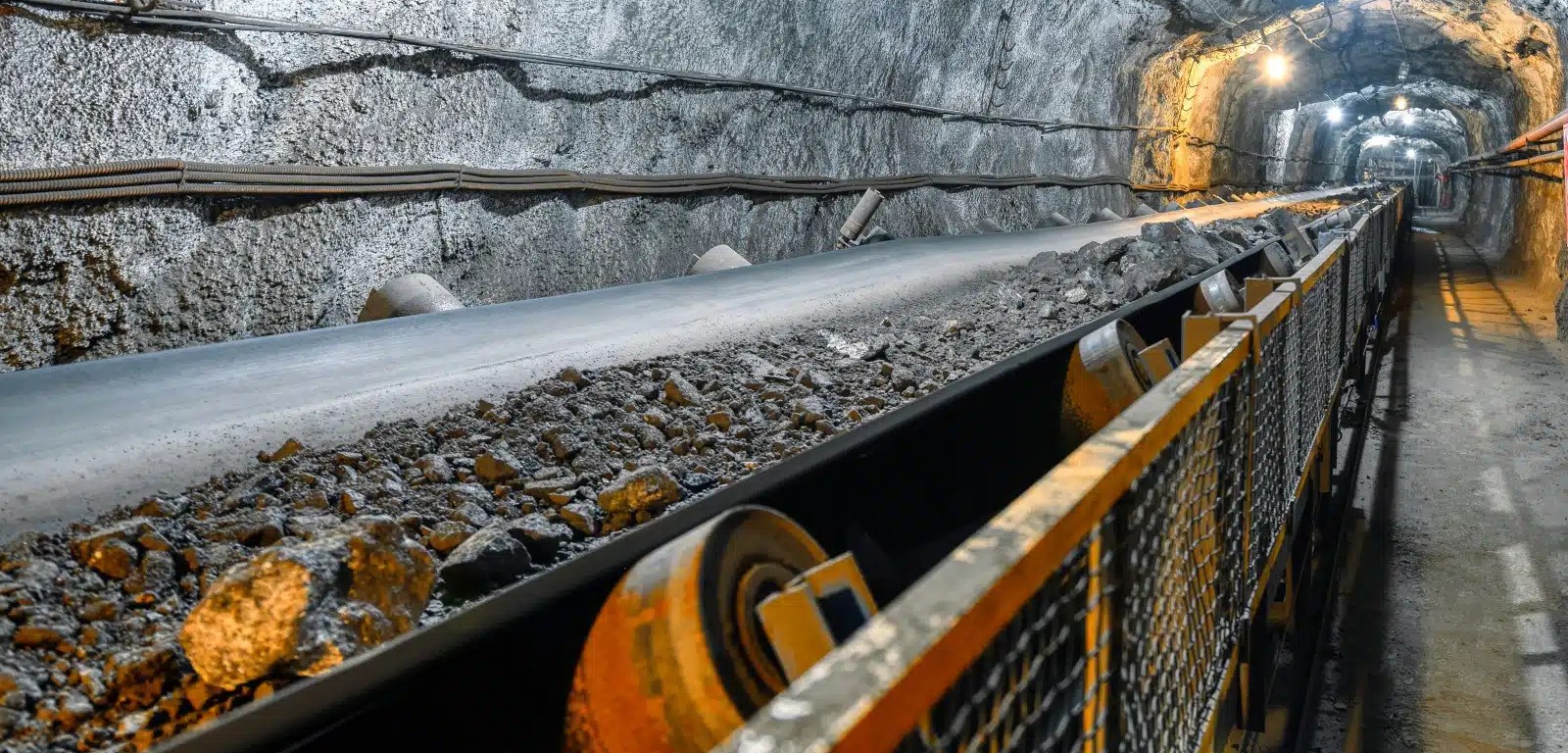
In the realm of material handling, conveyor systems play a pivotal role in streamlining operations and enhancing productivity across various industries. However, with their mechanical complexity and potential hazards, ensuring the safety of these systems is of paramount importance. Navigating the intricate web of regulations and certifications can be a daunting task, but it is crucial for maintaining a safe working environment and mitigating potential liabilities.
Regulatory Framework
The safety standards and regulations governing conveyor systems are primarily established by national and international bodies, such as the Occupational Safety and Health Administration (OSHA) in the United States, and the International Organization for Standardization (ISO). These organizations provide comprehensive guidelines and requirements for the design, installation, operation, and maintenance of conveyor systems.
OSHA’s standards, such as the Conveyor Equipment Hazards (1917.163) and the General Requirements for Conveyors (1910.176), outline specific safety measures to be implemented, including guarding, lockout/tagout procedures, and employee training. Failure to comply with these regulations can result in hefty fines and legal consequences.
Industry-Specific Standards
In addition to general regulations, various industries have developed their own sector-specific standards to address unique safety concerns and operational requirements. For example, the American National Standards Institute (ANSI) and the Conveyor Equipment Manufacturers Association (CEMA) have established guidelines tailored to the needs of the manufacturing, agriculture, and mining sectors.
Adhering to these industry-specific standards not only ensures compliance but also demonstrates a commitment to best practices and a proactive approach to safety management.
Certifications and Third-Party Assessments
To further validate the safety and compliance of conveyor systems, manufacturers and operators often seek third-party certifications and assessments. Organizations like the Canadian Standards Association (CSA), Underwriters Laboratories (UL), and TÜV Rheinland provide independent testing and certification services, verifying that conveyor systems meet stringent safety requirements.
In certain cases, engaging a conveyor expert witness can provide valuable insights and expert testimony regarding compliance, design flaws, or potential safety hazards. Their expertise can be instrumental in resolving disputes, ensuring proper adherence to regulations, and mitigating legal liabilities.
Risk Assessment and Mitigation
Compliance with safety standards and regulations is an ongoing process that requires continuous risk assessment and mitigation efforts. Conducting regular inspections, implementing preventive maintenance programs, and providing comprehensive employee training are essential steps in ensuring the safe operation of conveyor systems.
Furthermore, documenting all safety measures, inspections, and maintenance activities is crucial for demonstrating due diligence and compliance in the event of an accident or legal proceedings.
Conclusion
Navigating the complex landscape of conveyor systems safety standards and compliance can be a challenging endeavor, but it is a necessary investment in protecting worker safety, minimizing operational disruptions, and avoiding costly legal implications. By staying abreast of evolving regulations, adhering to industry-specific guidelines, pursuing third-party certifications, and implementing comprehensive risk management strategies, organizations can foster a culture of safety and maintain a competitive edge in the market.
 E-Globe Business