
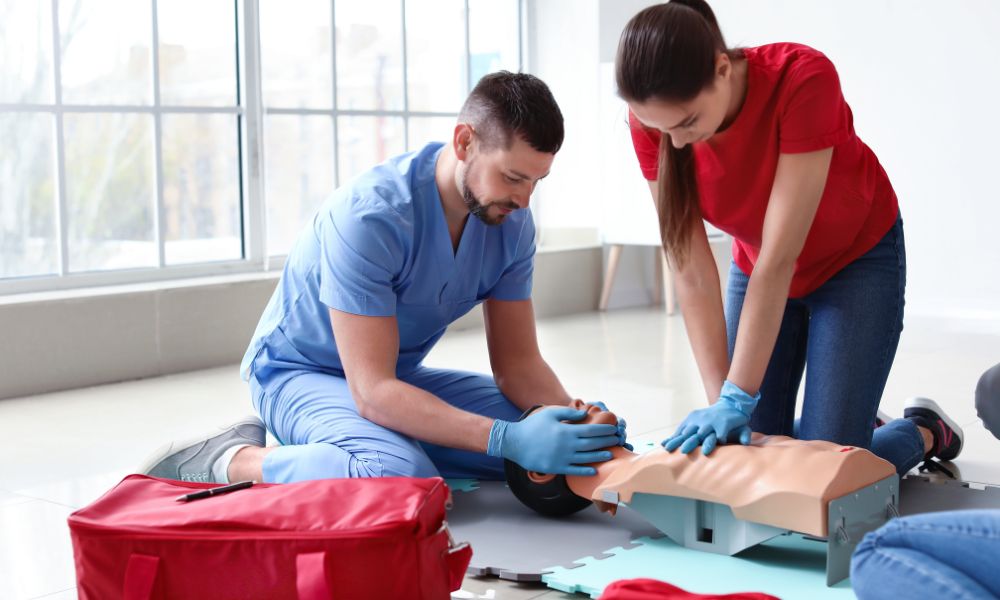
Certification in first aid training is an invaluable and potentially life-saving ability that all individuals ought to contemplate attaining. This program provides individuals with the requisite knowledge and abilities to promptly offer aid in a wide range of emergency circumstances. This article will expound upon the critical nature of First Aid training certification, emphasizing its capacity to safeguard lives, encourage safety, and enable individuals to respond efficaciously during emergency situations.
Immediate Support in Critical Situations
A key rationale for the critical nature of First Aid training certification from MyCPR NOW is its capacity to deliver prompt aid during critical situations. Knowing the appropriate response to any situation—from minor injuries to life-threatening ones—can mean the difference between survival and morbidity. First aid instruction entails the ability to evaluate and maintain the stability of injured or ailing individuals until the arrival of qualified medical personnel. Implementing this prompt reaction can substantially improve the likelihood of survival and mitigate the extent of injuries.
Preventing Additional Damage
In addition to emphasizing the significance of administering initial care, First Aid training emphasizes the need to prevent additional damage. Possessing the knowledge necessary to immobilize a fractured limb, staunch hemorrhaging, or assist a victim who is suffocating can effectively avert the progression of the situation. First aid training provides individuals with the necessary competencies to promptly administer life-saving measures that avert further harm or complications to the injured party.
Decreased Recovery Period
The timely and accurate administration of First Aid has the potential to expedite the recuperation process of the injured person. Preventive measures against infections and complications, such as wound dressing and cleansing, are efficacious in facilitating expedited healing. Particularly when prompt intervention is required, as in the case of heart attacks and strokes, First Aid training can significantly influence the long-term health and recovery of the affected individual.
Strengthening Bystanders
Emergencies are unpredictable and can occur anywhere. Certification in First Aid enables bystanders who observe a medical emergency or accident to intervene. Instead of experiencing a sense of helplessness, certified personnel can confidently offer vital care until the arrival of professional medical assistance. This ability to empower oneself can have critical implications in life-or-death circumstances requiring immediate assistance.
Legal and Workplace Requirements
First aid training certification is not merely a recommended skill in many professions; it is often a legal requirement. Employers are frequently required to ensure a secure working environment; therefore, the presence of adequately trained personnel on-site is an essential component in meeting this responsibility.
Individual Readiness
Certification for First Aid training also encompasses personal preparedness. Medical emergencies and accidents may occur while traveling, undertaking outdoor activities, or at home. Obtaining certification enables you to effectively manage unforeseen circumstances that may occur in the course of your daily activities, thereby providing you and your loved ones with peace of mind.
Conclusion
Acquiring First Aid certification is a fundamental competency that enables people to respond with assurance and efficiency during critical situations. It reduces the likelihood of additional damage, facilitates the prompt delivery of aid, and has the potential to ultimately preserve lives. Additionally, it serves to enhance personal preparedness, satiate workplace and legal obligations, empower bystanders, and promote safety consciousness.
 E-Globe Business