
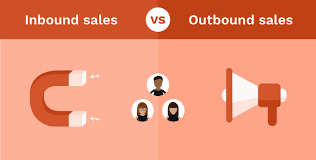
In today’s fast-paced business world, it’s critical to have a proactive sales approach that aligns with your company’s goals and target audience. With the rise of digital communication, businesses are often faced with the question: should we focus on outbound or inbound sales strategies? Each approach has its own set of benefits, drawbacks, and techniques that can drastically influence the outcome of your sales initiatives. In this article, we’ll dissect both strategies to provide a clearer perspective.
Outbound Sales Strategy
Definition: Outbound sales, as the name suggests, refers to the traditional method of seeking potential customers proactively. It involves directly reaching out to potential clients through various methods like cold calling, cold emailing, and attending trade shows.
Benefits:
- Controlled Targeting: With outbound sales, companies have the chance to target specific industries, titles, and demographics. This narrows down the focus and ensures that efforts are directed at a potentially more lucrative audience.
- Immediate Feedback: Cold calls or direct outreach provide immediate feedback. This instantaneous interaction can help salespeople adjust their pitch, understand objections, or quickly move on to the next opportunity.
- High Volume: Outbound strategies can be scaled to reach a large number of potential clients in a short period, especially when supported by tools and databases.
Drawbacks:
- Perceived as Intrusive: Cold outreach can sometimes be seen as interruptive or even annoying by potential clients. This can sometimes tarnish the image of the company if not executed tactfully.
- Resource Intensive: Outbound strategies require a significant investment in training, tools, and time.
- Decreasing Effectiveness: With the proliferation of spam filters, do-not-call lists, and general skepticism, outbound tactics might not always yield the desired results.
Techniques:
- Cold Calling: This involves directly calling potential customers, usually without prior contact.
- Cold Emailing: Sending unsolicited emails to potential clients to introduce them to your products or services.
- Trade Shows and Seminars: Attending or hosting events to personally introduce your brand to potential clients.
Inbound Sales Strategy
Definition: Inbound sales revolve around attracting potential customers to come to you, typically via content marketing, SEO, social media marketing, and other online methods.
Benefits:
- Builds Trust: By providing valuable content and resources, companies position themselves as thought leaders in their industry, fostering trust and credibility.
- Cost-Effective: Once set up, inbound strategies, particularly digital ones, can be incredibly cost-effective. According to HubSpot, inbound leads can be 61% cheaper than outbound leads.
- Aligned with Modern Buying Processes: Today’s consumers often research and seek out solutions online before making a purchase. Inbound strategies align with this behavior, positioning the company where the consumers are looking.
Drawbacks:
- Time-Consuming: Building a strong online presence and generating organic traffic can take time.
- Dependent on Content Quality: Your content needs to stand out amidst a sea of information online.
- Requires Continuous Effort: SEO algorithms change, content can become outdated, and digital platforms evolve. This requires a continual effort to stay relevant.
Techniques:
- Content Marketing: Crafting quality content, like blogs or e-books, that answer potential clients’ questions and problems.
- SEO: Optimizing your website to rank higher on search engines to increase organic traffic.
- Social Media Marketing: Engaging with audiences on platforms like Facebook, LinkedIn, or Twitter to drive traffic and build brand recognition.
Integration of Technology and Data
In the modern era of sales, technology plays a crucial role in enhancing both outbound and inbound strategies. CRM systems, for instance, can help outbound teams track and manage their interactions with potential clients, ensuring that follow-ups are timely and relevant. On the inbound side, analytics tools can provide deep insights into the behavior of website visitors, helping businesses understand which content resonates most with their audience. AI-driven chatbots, becoming increasingly prevalent, can engage website visitors in real-time, answering queries and even setting up appointments, serving as a bridge between passive content consumption and active sales engagement.
Evolving Customer Expectations
As we further advance into the digital age, customer expectations are rapidly evolving. The boundary between inbound and outbound is becoming increasingly blurred. Potential clients, once they’ve engaged with a piece of content online, might expect a personalized follow-up, turning an inbound interaction into an outbound opportunity. On the flip side, someone who’s been approached through an outbound method might want to independently explore online content, testimonials, or reviews before making a decision. As such, businesses must ensure that they offer a seamless experience across all touchpoints, with both strategies being cohesively integrated to meet and exceed these dynamic customer expectations.
It’s worth noting that in the midst of these two strategies lies the concept of sales prospecting. It is the process of sourcing new sales leads, but how it’s executed can differ based on whether you’re using an inbound or outbound approach.
Which Strategy Is Right for Your Business?
Choosing between inbound and outbound depends largely on your business model, target audience, and resources. For startups with limited resources, inbound strategies can be more cost-effective, allowing them to build a digital presence gradually. On the other hand, businesses in industries where personal relationships and trust play a significant role might find more success with outbound strategies.
Moreover, a study by RAIN Group found that top-performing businesses often use a blend of both inbound and outbound methods. By leveraging the strengths of both strategies, companies can create a more comprehensive and effective sales approach.
Conclusion
In the ever-evolving landscape of sales, it’s imperative to remain flexible and adapt to the most effective strategies for your specific scenario. Whether you lean more towards outbound or inbound strategies, or a mixture of both, the key lies in understanding your audience, continuously refining your approach, and staying committed to delivering value at every interaction.
 E-Globe Business