
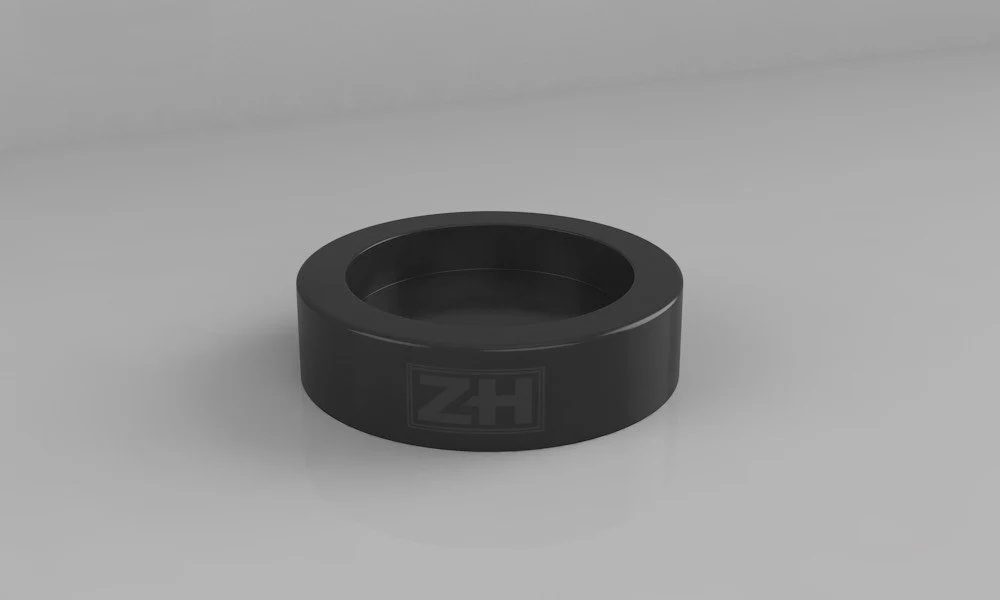
Carbon rubber is an innovative composite material made by combining rubber with carbon particles like graphite or carbon black through an advanced mixing and curing process. This results in a material that combines the elasticity and durability of rubber with the strength, conductivity, thermal properties and abrasion resistance provided by the carbon particles distributed uniformly throughout the rubber matrix. The carbon rubberhas numerous applications and provides some truly mind-blowing benefits compared to normal rubber due to its enhanced mechanical, electrical and thermal characteristics. Its properties allow it to withstand higher stresses and wider temperature ranges than conventional rubber alone. Here are 6 of the top benefits that make carbon rubber stand out from traditional rubbers in performance, lifespan and suitability for demanding applications:
1. Extreme Durability
One of the main benefits of carbon rubber is its outstanding durability. The carbon particles reinforce the natural rubber polymer structure leading to a huge boost in strength and abrasion resistance through a process called vulcanization during manufacturing. This makes carbon rubber extremely long-lasting even when exposed continuously to corrosive chemicals, harsh and varying weather conditions from heat to cold, and heavy wear and tear over extended periods of time in demanding industrial applications. Items made from carbon rubber like seals, gaskets, drive belts, and hoses can easily outlast standard rubber components that degrade more quickly by 10 times or more through prolonged use. This exceptional durability leads to major cost savings for businesses from having to replace parts and take equipment offline for maintenance much less often.
2. High Tensile Strength
The carbon black reinforcement is evenly dispersed throughout the rubber matrix on a microscopic level. This allows the carbon particles to work synergistically with the rubber polymer chains when tension is applied. In addition to durability, the carbon reinforcement provides massive gains in tensile strength – the material’s ability to resist being stretched or deformed. Testing has shown carbon rubber typically has tensile strength ratings 2-4 times higher than standard rubber materials without carbon added. This high strength makes it suitable for rigorous and demanding applications like industrial drive belts that undergo continuous high tension without stretching or fatigue over extended periods of heavy use. It also allows for smaller cross-section profiles that save weight, material costs and space in machinery and vehicles. The bottom line is that items as well as components made with carbon rubber composites can withstand tremendous tensile and compressive forces and loads without failure, breakage or loss of function.
3. Improved Thermal Conductivity
Pure rubber is an effective electrical and thermal insulator, which is problematic in some applications where heat dissipation is important. The carbon filler addresses this issue by providing a high level of thermal and electrical conductivity throughout the rubber material. This allows carbon rubber parts to dissipate heat very effectively from components and surfaces, protecting them from overheating and malfunctioning during prolonged use. It also means carbon rubber can be used reliably for applications involving electrical contacts and handling of delicate semiconductor wafers – jobs not suitable for normal insulative rubber which could cause overheating issues. The enhanced thermal and electrical conductivity provided by carbon filler gives product designers many new options for heat management and electrical applications of rubber.
4. Chemical Resistance
Chemical Resistance In addition to physical durability, carbon rubber also provides enhanced resistance to oils, solvents, and other chemicals that can degrade normal rubber over time. The carbon particles are tightly bonded within the rubber matrix and provide a barrier effect that makes fluid penetration and swelling of the material much less likely when exposed to corrosive substances. O-rings, seals, hoses and other elastomers made from carbon rubber have been shown to maintain their flexibility, density and sealing integrity even after prolonged exposure to harsh chemicals and petroleum products that would break down standard rubber. This high level of chemical resistance expands the range of industrial fluids and environments that carbon rubber can be safely and reliably used in for critical applications that demand durability and longevity.
5. Lower Coefficient of Friction
Lower Coefficient of Friction Carbon rubber can provide a significantly lower coefficient of friction compared to untreated rubber, meaning far less drag and resistance when carbon rubber surfaces slide against other common materials like metal and plastic. This dramatic reduction in friction makes carbon rubber extremely well suited for high wear applications suspension bushings, engine mounts and bearings where minimizing friction is critically important to maximize performance and part lifespan. Reduced friction leads to far less abrasive wear over time, higher energy efficiency, smoother quieter motion for rotating machinery and parts, and reduced heat generation. The well-lubricated carbon filler minimizes undesirable “sticking” effects that can otherwise cause dangerous chatter, vibration and erratic motion in safety-critical applications like brakes and suspension.
6. Noise Dampening Properties
Noise Dampening Properties Finally, carbon rubber is effective at reducing noise as well as vibration better than traditional rubber materials due to its unique properties. The carbon particles distributed throughout the rubber compound absorb and dissipate acoustic energy very well. Additionally, carbon rubber has intrinsically high internal damping abilities which results in it providing consistent sound dampening across a wide range of frequencies from low to high. This makes it applicable for uses like heavy machinery gaskets, seals that experience vibrations, equipment mounts, and other parts that need vibration damping. Carbon rubber significantly helps reduce noise from equipment, enhances comfort and safety inside vehicle cabins by lowering noise levels, and resolves issues caused by excessive vibration in various applications. The noise dampening provided by carbon rubber has benefits for both industrial and consumer applications. Lower noise levels can improve workplace as well as transportation safety while also benefitting health by reducing noise pollution.
Conclusion
The carbon ink is a key component in enhancing the remarkable properties of carbon rubber, carbon rubber is an advanced composite material that offers extreme durability, strength, conductivity, friction reduction, chemical resistance, and vibration dampening. With its vast advantages over standard rubber, carbon rubber is becoming an essential high-performance material across many major industries now and into the future.
 E-Globe Business