
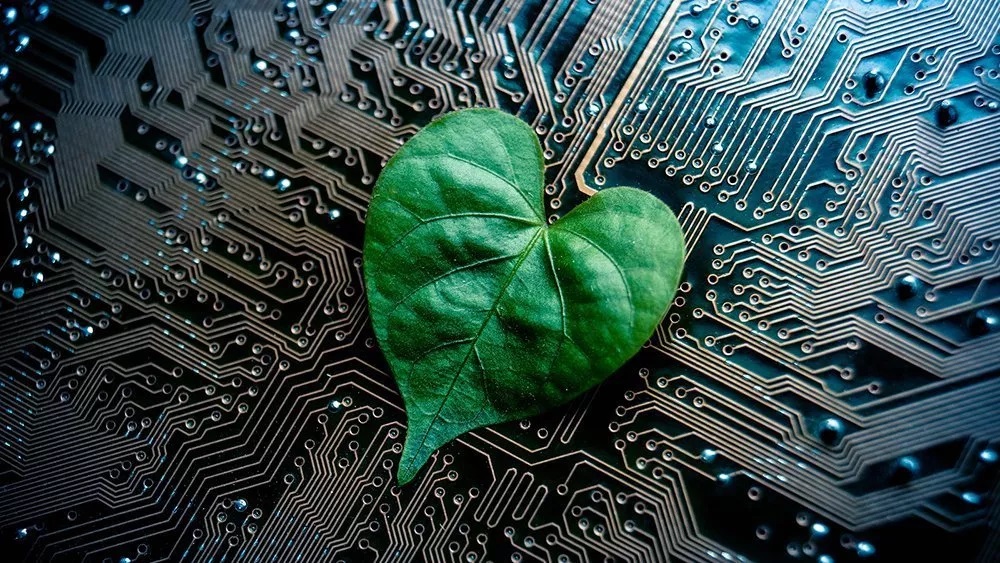
In a world where energy consumption is on the rise, finding ways to save on energy costs not only benefits our wallets but also our planet. Whether you’re a homeowner, a business owner, or a conscientious individual looking to make a difference, you can adopt various strategies and practices for energy cost saving (วิธีประหยัดค่าไฟ, which is the term in Thai) while reducing your carbon footprint.
Embrace Energy-Efficient Appliances
Investing in energy-efficient appliances is one of the most effective ways to achieve energy cost savings. Look for the ENERGY STAR label when shopping for refrigerators, washing machines, and air conditioners. These appliances are designed to consume less energy while delivering the same, if not better, performance.
Optimize Your Home’s Insulation
A well-insulated home can significantly cut energy costs. Ensure your home is adequately insulated, with well-sealed doors and windows to prevent drafts. Add extra insulation in your attic and walls for even more significant savings. A properly insulated home requires less heating in the winter and less cooling in the summer.
Upgrade Your Lighting
Switching to energy-efficient LED or CFL light bulbs is a simple yet effective way to save on energy costs. These bulbs use significantly less electricity and last longer than traditional incandescent bulbs. Additionally, consider installing motion sensors or timers to ensure lights are only on when needed.
Harness The Power Of Solar Energy
Solar panels are becoming increasingly accessible and affordable. By harnessing the sun’s power, you can generate your electricity, reducing your dependence on the grid and, in some cases, even selling excess energy back to your utility company. Solar power saves you money and helps reduce your environmental impact.
Implement Smart Thermostats
Smart thermostats have revolutionized energy cost savings. These devices can learn your temperature preferences and adjust heating and cooling accordingly. They can also be controlled remotely via a smartphone app, allowing you to optimize energy use while away from home.
Conduct Regular Maintenance
Regular maintenance of your heating, ventilation, and air conditioning (HVAC) system is essential for energy efficiency. Clean or replace filters as recommended and schedule professional care to keep your system running smoothly. A well-maintained HVAC system consumes less energy.
Unplug And Use Power Strips
Many electronic devices continue to draw power even when turned off. To combat this “phantom” energy consumption, unplug devices or use power strips that can be easily switched off when not in use. This simple habit can lead to noticeable energy savings over time.
Practice Energy Conservation Habits
Finally, adopting energy conservation habits in your daily life can make a significant difference. Turn off lights when you leave a room, use natural light whenever possible, and avoid overusing appliances like dishwashers and clothes dryers.
By implementing these energy-efficient practices and making conscious choices in our homes and businesses, we can collectively reduce our energy consumption, lower our energy bills, and contribute to a more sustainable and greener future.
 E-Globe Business