
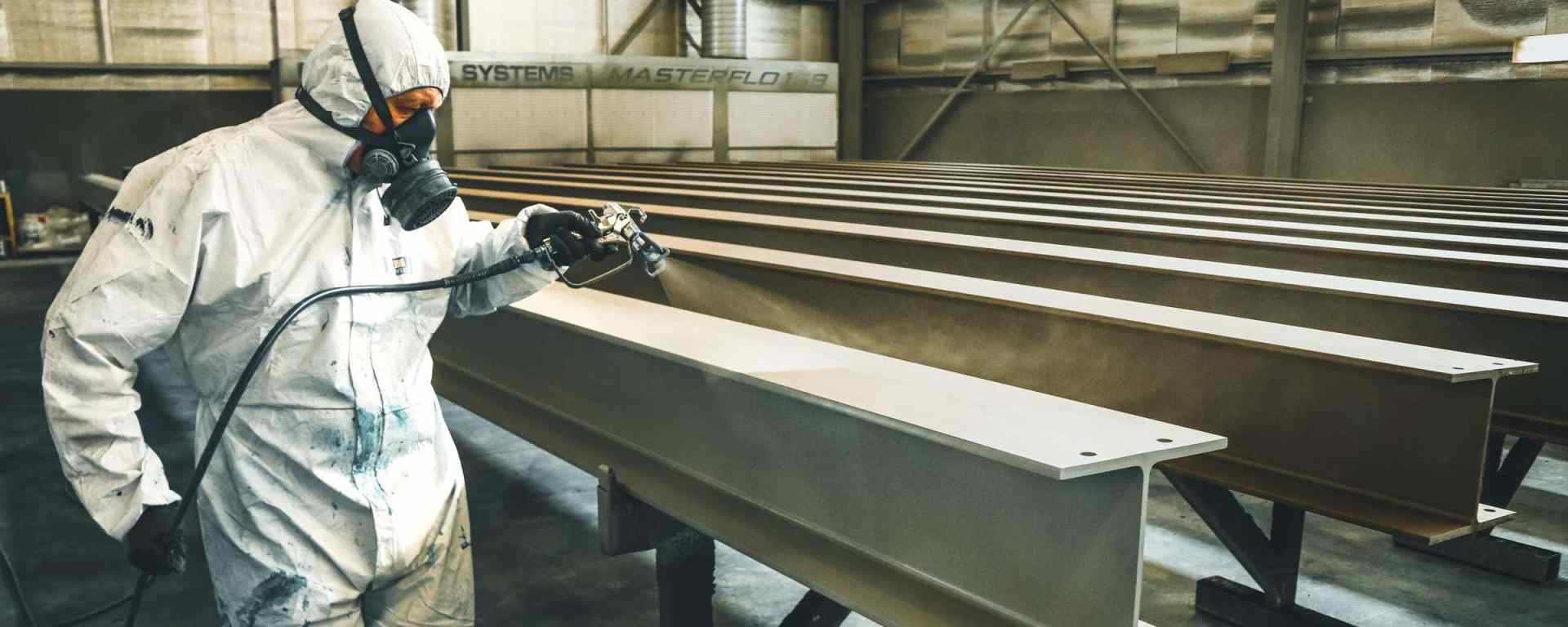
There are people who really enjoy being able to complete projects before stopping to admire the work that they’ve done. If you’re one of these people, then becoming an industrial painter/blaster can be perfect for you. When you’re an industrial painter/blaster, you’ll be responsible for applying beautiful shades of colours as well as effects, on different surfaces.Aside from painting, you’ll also be responsible for maintaining the structures you’re working on. You could find work in the oil as well as gas industry, marine industry, in the mining industry, in manufacturing, or in asset maintenance, and more. As an industrial painter/blaster, you’ll be playing an important role when it comes to the preparation as well as protection of various surfaces. You could protect surfaces as well as materials that are used in manufacturing and construction. You could need to do abrasive blasting, or you could also find yourself applying protective coatings on various surfaces.Your main job is ensuring that the materials and surfaces you’re working on are free from corrosion, and aren’t deteriorating. This means that you play a key role in maintaining the structural integrity of several key industrial structures. Being good at your job helps you keep buildings, as well as people, safe. Now that you understand who an industrial painter/blaster is, it’s time to decide if this career path is right for you. At the beginning of your career, you’ll need to become an apprentice. To excel at being an apprentice, it’s a good idea to know what you can expect from this career path.You should be capable of interpreting technical drawings. You should know how to make engineering measurements and should be able to perform simple computations. You should know how to work in a safe manner, when it comes to engineering and manufacturing. You should also know how to work with various computing technology. Finally, you should also know how to work with hand tools and power tools.Consider investing in trade insurance as well. This is because working as an industrial painter/blasterexposes you to several risk factors, such as being sued by an unhappy client. When you have trade insurance, you can better protect your career as well as your finances. If you would like to learn more about trade insurance, then click here. To begin your career as an industrial painter/blaster, the first thing that you need to do is find an apprenticeship. This means looking for an employer willing to hire you as an apprentice. You can look for open positions on job search websites, or you could approach industrial painters/blasters directly to ask for work.To become an official industrial painter/blaster, you’ll need to complete Certificate III. This certification is in the field of engineering. Your focus should be on the fabrication trade, specifically surface finishing. To qualify, you’ll need to complete your course as well as do practical training. As a trainee, you’ll learn all about what’s expected of you in this job.You’ll learn about the skills that you need to succeed in the industry, which can enable you to work independently going ahead. As an industrial painter/blaster, you should know how to pre-treat surfaces so you can add surface coating later on. You should be capable of working on a wire or a rig, and should also know how to load and unload barrels. You will need to use the vapour, wet, and dry deposition methods to do your work as well.You should know how to find innovative solutions to problems on the spot, and should also know how to manually finish as well as polish materials. You’ll need to use solvents in preparing surfaces, and may sometimes need to use mechanical means as well. You could also find yourself using abrasive blasting to prep surfaces. Then, you’ll need to apply coatings for protection to the surface you’re working on.You should know how to perform inspection work, as well as how to work safely around industrial chemicals as well as materials. You may also have to assemble, replace or maintain engineering components as well. You should be capable of using load shifting equipment and should know how to shut down isolated machines as well as equipment. Being a new industrial painter/blaster can be hard work, but for people who enjoy using their minds and hands at the same time, this profession is perfect. As you gain more experience in your career, you can start working independently on projects as well. Use this guide to learn who an industrial painter/blaster is, as well as how you can become one. Who Is An Industrial Painter/Blaster?
Is Being An Industrial Painter/Blaster Right For You?
How To Find Work As An Industrial Painter/Blaster
What Are The Skills That You Need To Become An Industrial Painter/Blaster?
Conclusion
 E-Globe Business