
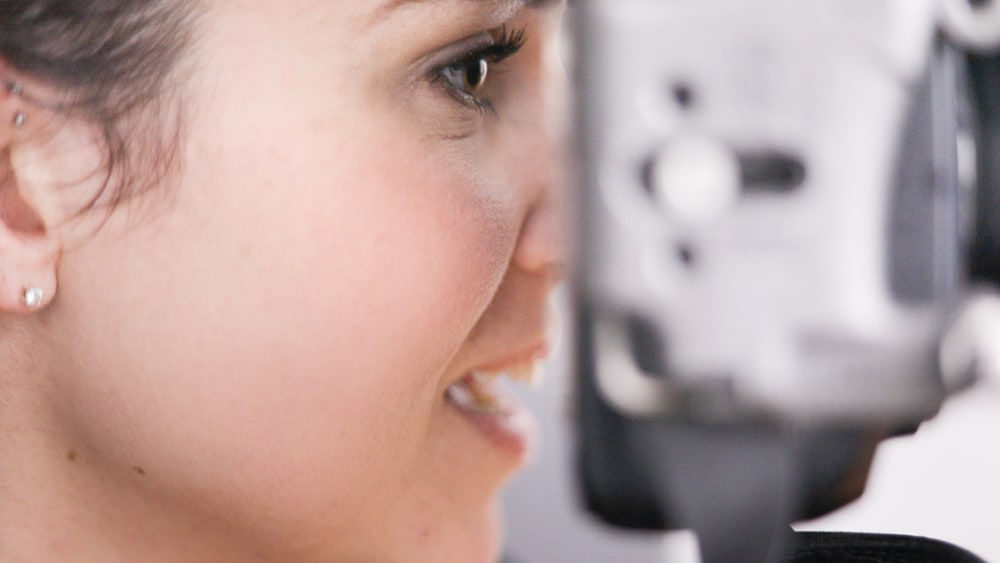
It may be time to publish an update if your LinkedIn profile picture is older than five years. The greatest portraits money can buy may be taken by professional photographers. You can put up a shot on your own, though, that just could help you score a sought-after interview with the correct equipment and a little bit of know-how.
Natural light: Switch off the fluorescent lights above you and face a window that lets in diffused or indirect light. Alternately, go outside and locate a shaded area with soft lighting. We advised against attempting to work in direct sunlight. You might end up squinting, have harsh shadows on your face, have too-sharp features, or have your eyes covered, depending on the direction of the sun.
Compared choosing what to wear to a job interview to selecting your attire for a professional corporate headshots photography. He advised “dressing for the job you want, not necessarily the job you have.” “For a position as a CPA or lawyer, a suit would be appropriate. It’s acceptable to dress more casually if you’re looking for work in the arts or in a less formal setting.” Avoid distracting bold patterns and wearing bright colours whether it’s casual or formal.
Background: Seifert suggested taking your audience and your target market into account when selecting a background. It doesn’t make sense to take your professional photo in the middle of the woods if you’re a CPA, he said. Put yourself in a situation where you would work instead. Making use of a neutral background with muted colours and no extraneous elements will centre attention on the subject of the photo.
After the Great Depression, portrait artists stopped using stern facial expressions. On the other hand, a broad grin might seem excessive.We advised striking a balance by projecting an air of friendliness and approachability. He advised them to “wear a nice expression that is reflected all the way up to their eyes.” “Think about what makes you happy as your picture is being taken, and you’ll end up with a natural smile on your face.”
Camera position: A slightly overhead shot is the ideal camera position. Use a tripod rather than holding the camera at arm’s length or even a selfie stick when taking pictures of yourself. Mount the camera just above eye level while perched on a stool. By forcing you to look up, this angle draws attention to your eyes and makes you appear more approachable. A nice portrait can be created by tilting your shoulders slightly to one side and looking up at the camera lens. In general, Seifert said, “we don’t want shoulders square to the camera in the shot.” It appears cold and unwelcoming.
Check out the profile pictures the next time you are scrolling through LinkedIn and notice how they are framed in a circular pattern. Remember that social media platforms are constantly evolving and not all of them can be used in the same way. However, if you properly plan out your shot, it will work in almost any style and showcase your greatest features.
 E-Globe Business