
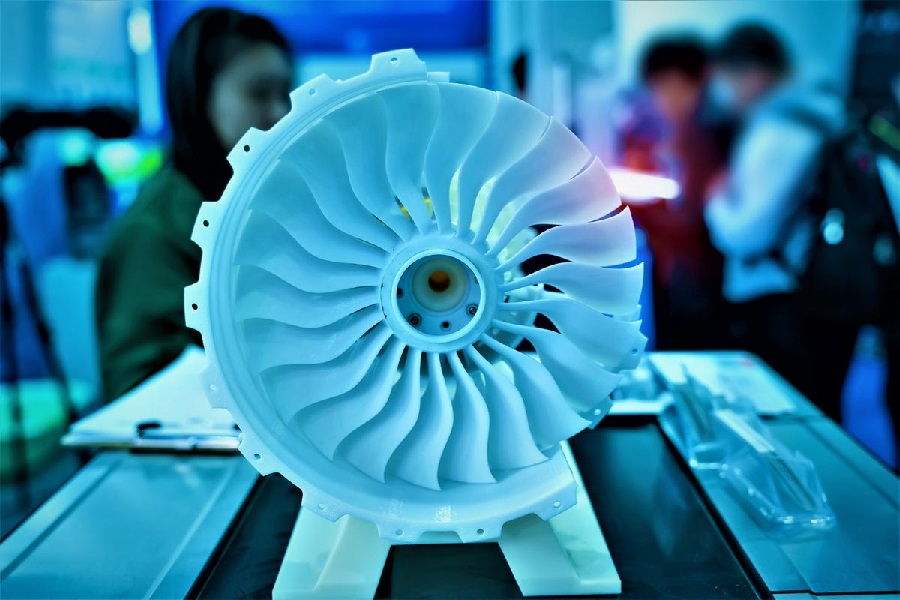
Prototype printing is a process used to make working models for different products. The process is fast and flexible and helps reduce errors in parts. It is widely used in various industries, such as car manufacturing. This type of prototyping is also known as rapid prototyping and uses 3D printing to create functional models.
Functional prototypes
A functional prototype is a physical manifestation of a future product. They are made of materials and designs similar to the final product. Using functional prototypes, engineers and designers can test the functionality of a product before it is mass-produced. Then, they can use the feedback from focus groups and observers to improve the design.
The ability to manufacture functional prototypes on a 3D printer means they can be tested in various rigorous environments. Tests can be conducted to evaluate usability, ergonomics, and manufacturability. They can also be used to assess material properties and the assembly process.
Cost-effectiveness
There are ample factors to consider when calculating the cost-effectiveness of prototype printing. The first factor is the complexity of the design. If the prototype is complex, it will require testing, assembly, and design adjustments. A simple electrical device or mechanical mechanism with a few moving parts will be cheaper to print than a more complex one. Other factors to consider include the novelty of the prototype and the anticipated number of trials and errors.
Using a 3D printer for prototyping can save a company considerable time. Traditional manufacturing processes can take weeks or even months to produce a product. Furthermore, these methods often require years of training and experience. For instance, it may take months or even years to master hand sewing, silicone rubber molding, and CNC machining. As a result, using a 3D printer for a prototype can be more cost-effective than learning new tools.
Materials used
When creating a prototype, choosing suitable materials for your application is important. For example, polypropylene is a highly durable, flexible material. Its properties make it a good choice for medical devices and living hinges. It also resists bacteria and other contaminants and can be easily sterilized.
Metal dust is most commonly used for prototype printing of metal instruments, but it can also be used to create finished products. In fact, powdered metal is widely used in the production of medical devices. Another benefit of using metal dust in 3D printing is reducing the number of parts in the final product. In fact, 3D printers have produced rocket injectors with only two parts – compared to more than 100 individual pieces using conventional welding.
Interested in how 3D prototype printing services can offer innovative possibilities for your business? Team up with Midwest Designs, one of America’s best 3D printing houses. The company offers various services like CAD designs, prototype design, and logo design. Visit their website at www.midwestdesignsllc.comto know more.
 E-Globe Business