
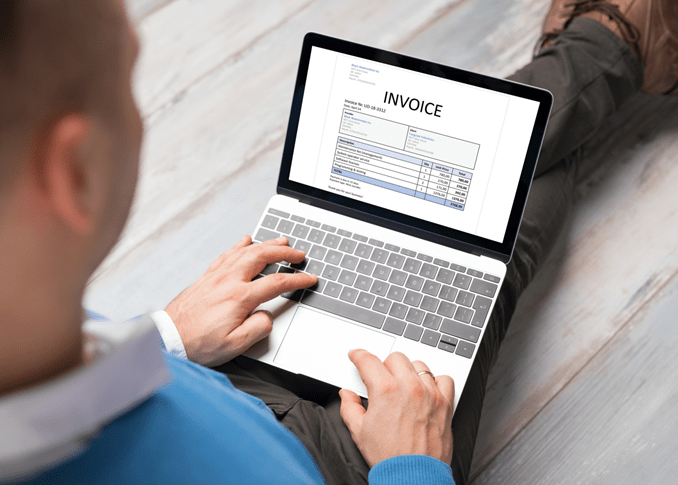
61% of late payments are due to incorrect invoices. Small inaccuracies can lead to problems with communication between the seller and the client.
The largest problem with these miscommunications is that it leads to the seller not getting the money that they need from the customer.
Accurate invoicing is the backbone of sales. Without it, a business can’t accumulate the right amount of income.
To learn more about invoicing and how it works, keep reading.
What Is an Invoice Document?
An invoice is a financial document that details the amount that a buyer owes a seller. It should list the costs of any products or services that the buyer purchased.
Other than their financial bearing, invoices also serve legal purposes. They contain the seller’s name, the buyer’s name, the price of goods and services provided, descriptions of the goods and services rendered, and the terms of the payment.
Every seller should keep a record of their invoices just in case something comes up in the future.
Each of these details on the payment statement matter. To make sure that you’re accounting for all of these, you should use these free invoice templates.
What Do Invoices Do?
Since invoices act as financial documents with legal bearing, they hold a lot of important information. Here are some of the things that a business or buyer may do with this information:
- Maintaining financial records
- Tracking payments
- Providing legal protection
- Filing taxes easily
- Analyzing business financial records
You can manage your invoices through an online invoicing system or you may opt for a physical record-keeping strategy. Either way, you should ensure that you maintain your financial records.
There are many advantages to an online system. You can quickly search, organize, and shuffle through your invoices as needed. And, everything stays neatly on a computer rather than shoved into a box.
Why Is Invoicing Important?
Invoicing could make or break your business. If you don’t keep up with your invoices, you may be interrupting your workflow.
Improper invoicing also doesn’t look good to clients. They may become confused about the about they’re obligated to pay.
Without meticulous records, you won’t be able to dispute any claims that customers may make against the amount you ask them to pay for the services provided and goods sent.
How Are Invoices Different Than Receipts?
Invoices have some legal bearing. Each invoice has terms and conditions, including a payment due date.
On the other hand, a receipt is a financial document that says that you have the right to authorize the sale that the buyer initiated. This may hold legal bearing for proof of ownership, but there isn’t much beyond that.
Start Invoicing the Right Way
If you haven’t started keeping detailed invoices for your business, it’s time to start. You never know when you may need the legal protections that invoicing brings.
With the right structure, your invoices could be beneficial for you and your customers.
To learn more about how to protect yourself legally and financially, check out the right of our blog.
 E-Globe Business