
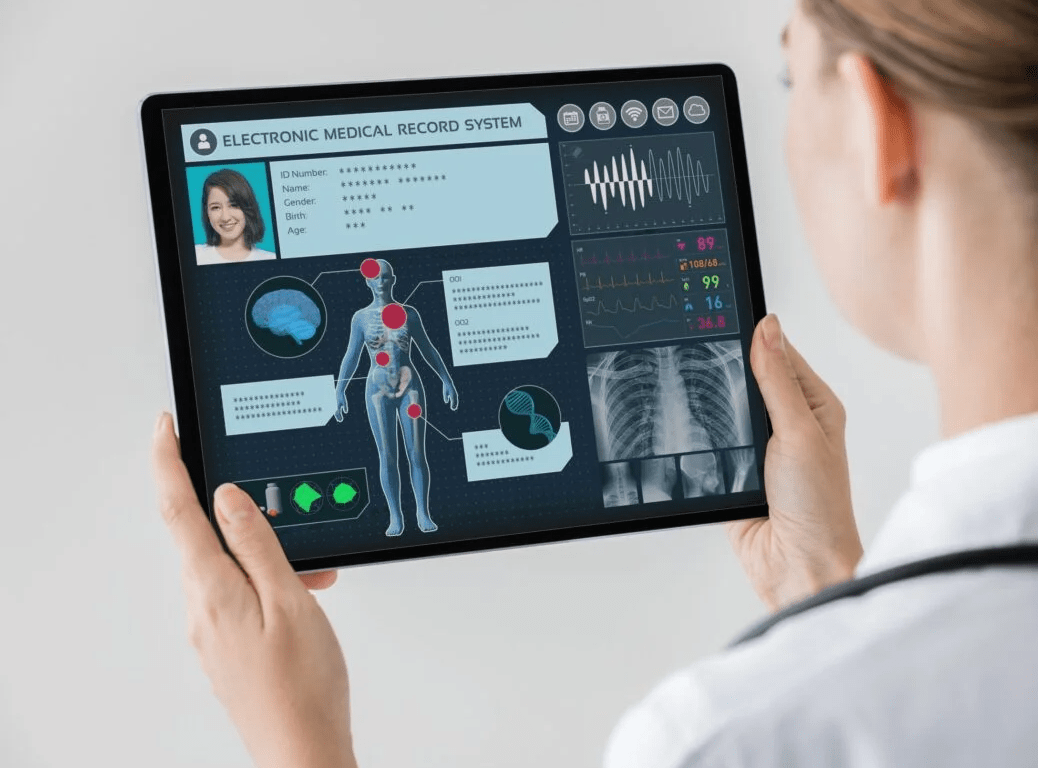
The COVID-19 pandemic has impacted how clinical trials are carried out. This means more and more CROs, including Veristat, are considering using virtual clinical studies for drug research. Virtual clinical studies involve using alternative assessment forms like virtual visits and phone calls for examination rather than having patients travel to a physical research site.
Virtual clinical trials are ideal for studies that do not require many in-person interactions between the participants and the investigative research team. They are also ideal for studies involving drug testing that has already been approved for humans. The clinical trial planning for such studies requires minimal evaluation and has low safety risk since they are primarily performed on healthy humans.
Here are some ways technology can be used to do clinical studies.
Through wearable tech
Wearable devices such as smartwatches and bands have sensors to measure blood pressure, heart rate, oxygen levels, skin temperature, breathing rate, and other activities. Wearable devices are used to monitor the subject constantly under different conditions. They are used to eliminate the effect of the situations such as the ‘white coat syndrome’ hence reducing the potential misleading blood pressure data from anxiety-induced blood pressure elevations. Wearables also offer a complete overview of a patient’s health rather than a single doctor’s visit snippet.
In mobile staffing
A key feature of virtual clinical trials is the lack of onsite visits. Phase 1 of clinical trials involves collecting urine and blood samples. To have a successful collection of samples, there is a need for reliable processing and transportation services to ensure that the samples in storage will be appropriately utilized. A third-party vendor or the study staff may travel to the subjects’ homes and draw the required samples. The samples may be processed in a local lab or transported to the collection company for later batch shipping. This type of sample collection is much more popular with the older population since they do not want to keep traveling.
Through telemedicine platforms
Since the pandemic started, the health industry has benefited from the use of telemedicine. It involves using electronic information and telecommunication to provide health care outside the typical doctor’s office or hospital. In a typical phase 1, the subjects are monitored virtually. This can be done through video conferencing software or set up a monitoring device to monitor the subject all day. They can be monitored through phone calls as well. Informed consent may also be obtained over telemedicine platforms, so CROs should consider conducting screening and follow-up and assessments through these technologies.
Use of mobile Apps
These apps combine the technologies and capabilities for performing a conclusive virtual trial. The mobile apps are considered comprehensive virtual trial solutions and can be paired with wearable devices to integrate the patient’s vitals for easier monitoring seamlessly. They put the patient’s engagement information under one roof, which is secure and easy to use.
Technology has changed how clinical trials are carried out. It has made the process more seamless and efficient while ensuring that the patient doesn’t need to keep moving around.
 E-Globe Business