
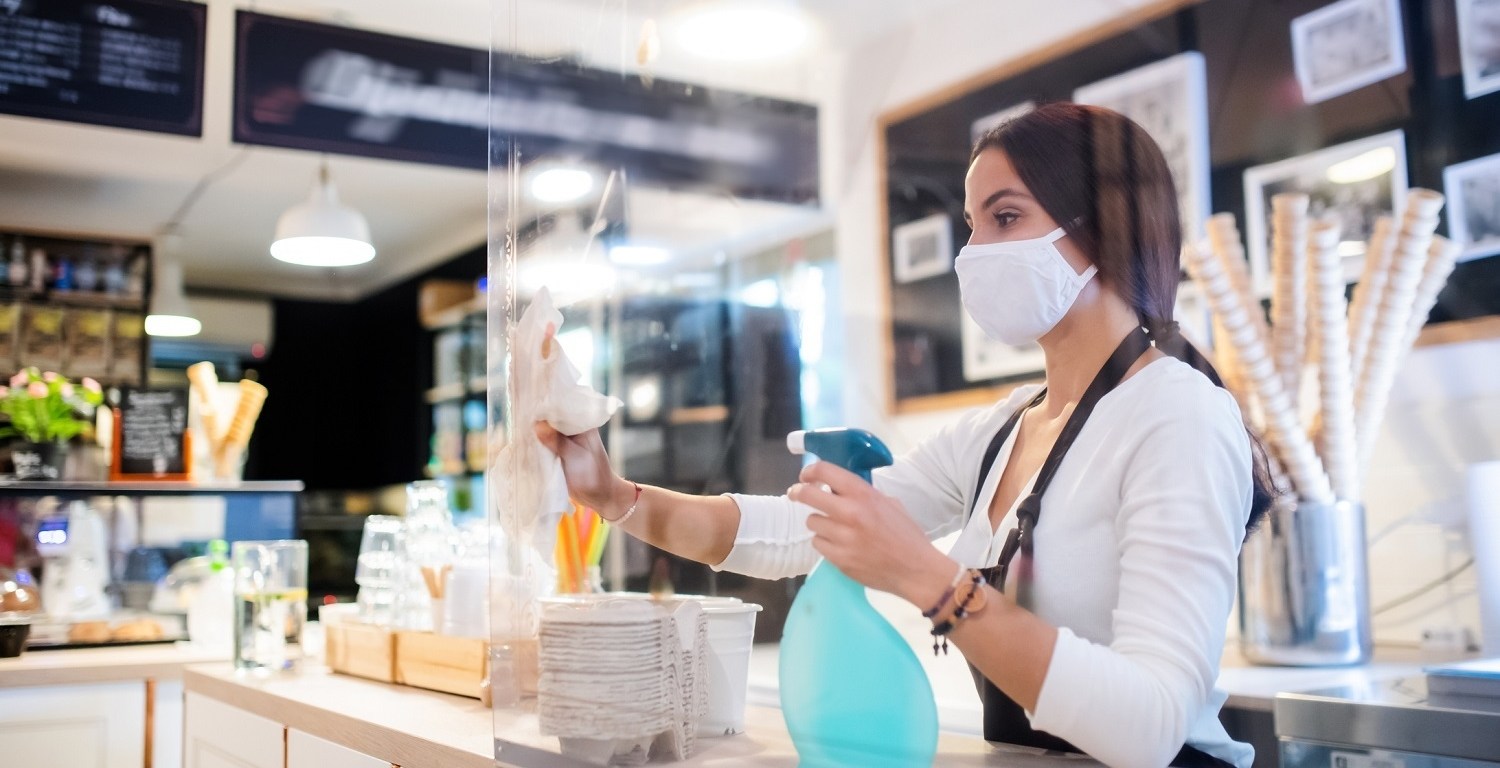
A number of industries have been greatly impacted by the ongoing effects of the international health crisis, however, few have seen as significant a change as retail. High streets, which have long been an example of adaptability and resilience, facing major competition from internet sales, have once again begun to demonstrate their worth by meeting the demand of customers while simultaneously changing their methods of operation.
Such changes might have been relatively minor, such as installing social distancing circuitry and perspex dividers atop counters. Others, however, have been much more general, leading to a different approach to both retail design and the way in which customers shop. They have been adopted largely for their benefit. Here are four that you’re certain to see more of, and that can help to improve retail businesses.
Collection Zones
One surprisingly way in which customers have shown a preference for brick and mortar stores over the internet is through click and collect services. It turns out that many customers are more willing to make the journey to a local store if it means being able to collect their product more quickly. As a result, stores are creating collection zones and windows within their high street concept, so that they can both host footfall custom and those who placed orders online. This also allows customers to be potentially upsold extras through in-store advertising or recommendations.
Hero Products
Instead of offering as wide a selection of products as possible, stores are now choosing to display only a few, key items on their various forms of shop shelving. This has a number of advantages, including the immense space that can be saved when dedicating room only to the essential items and reserving greater amounts of stock for backroom storage or, more advantageously, to distribution centres for online sales. The latter requires a form of mixed sales service, blending in-store and online purchases, as described below.
Digitised Brick & Mortar
By relieving a store of its stock obligations, it can become a more experiential space, one that focuses on the usefulness, design, and lifestyle of a product. To support this more contemporary form of retail, a shop concept must provide tandem online sales, helping customers to order products in-store. This can be facilitated by employees or with the presence of tablet devices, enabling customers to complete their own purchases.
Brand Beacon
The phrase brand beacon is becoming more commonplace, being used to describe the modern trend of high street stores being used not to promote the sales of products but to sell their brand. Since there are numerous ways in which a customer can receive their product, with a greater number of same-day delivery options or collections available, this is one more asset to retailers who can transform their spaces into welcoming, brand positive realms.
If your store isn’t already adopting this mindset for its retail venues, it may be falling behind. Customers have shown an inclination toward these modern trends and, as we approach the sales of a new year, increased competition will leave slower companies behind.
 E-Globe Business